Inbox vs. Ice Cream: Reclaiming Summer in an Always-On Work Culture
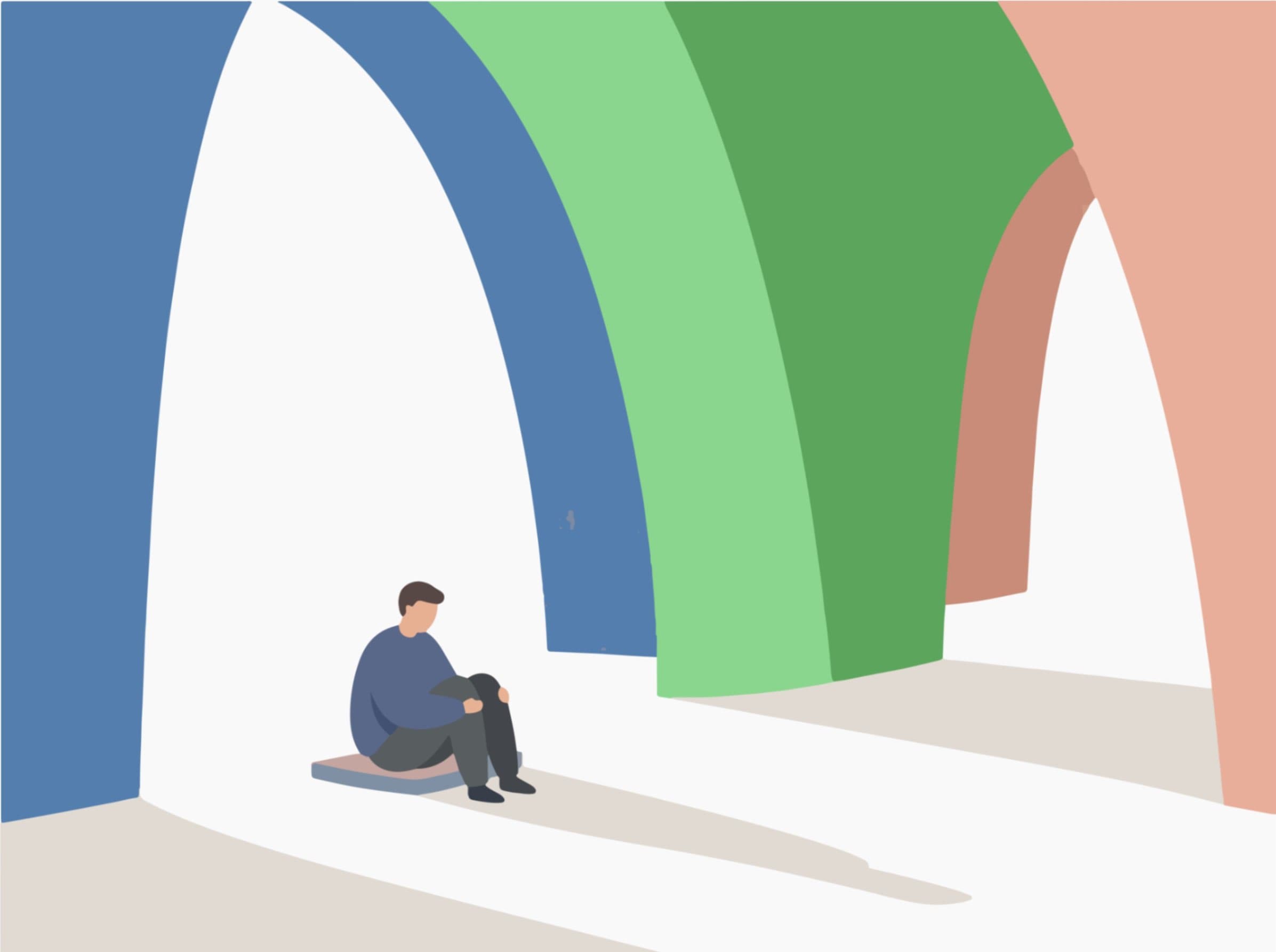
The ice cream melted before anyone took a bite. Not because it was hot, but because everyone was still answering emails. A parent on a laptop at the picnic table. A teenager refreshing a summer job portal. A manager fielding “just one quick Slack” on a Saturday. Summer had arrived, but no one had quite shown up for it.
Reclaiming Summer Without Dropping the Ball
Work does not slow down just because the days get longer. But your approach to it can. Whether you run your own business or log into someone else’s, the real challenge is not time, it is attention. According to research on time use, most professionals have more discretionary hours than they think, but those hours get fragmented and quietly consumed by low value tasks and constant connectivity.1 The goal is not to work less in theory. It is to work with sharper intention so your life outside of work actually has room to exist.
For families, this becomes urgent in the summer. School routines disappear. Kids are home more. Opportunities for connection multiply. If you do not actively protect that time, it gets replaced by meetings, notifications, and creeping expectations.
Boundaries That Actually Hold
Saying you have boundaries is easy. Making them visible and consistent is what changes behavior.
Set a defined “end of workday” that is treated as a real cutoff, not a suggestion. If you lead a team, model this openly. If you freelance or run your own business, communicate response windows to clients clearly and early. Most people respect limits that are stated with confidence.
A simple shift that works: stop signaling constant availability. When every message gets an immediate reply, you train people to expect one. When responses are timely but not instant, you regain control of your time without sacrificing professionalism.
Equally important is creating a start to your personal time that feels intentional. That might be a walk, cooking with your kids, or even just closing your laptop and physically putting it out of sight. Small rituals create psychological separation, which research shows is critical for reducing burnout.2
Priorities That Reflect Real Life
Not all tasks deserve equal energy. Yet many people treat them that way.
Identify the two or three outcomes that actually matter each day. Do those first, during your peak focus hours. Everything else is secondary. Productivity methods like David Allen’s emphasize externalizing tasks into trusted systems, which reduces mental clutter and frees attention for what matters most.3
Here is a practical example. Instead of working reactively through a packed inbox, block ninety minutes in the morning for your most important work. That single shift often accomplishes more than an entire distracted day. It also creates breathing room later, which can translate directly into time with family.
Support Is Not Optional, It Is Strategic
No one balances work and life alone, even if it looks that way from the outside.
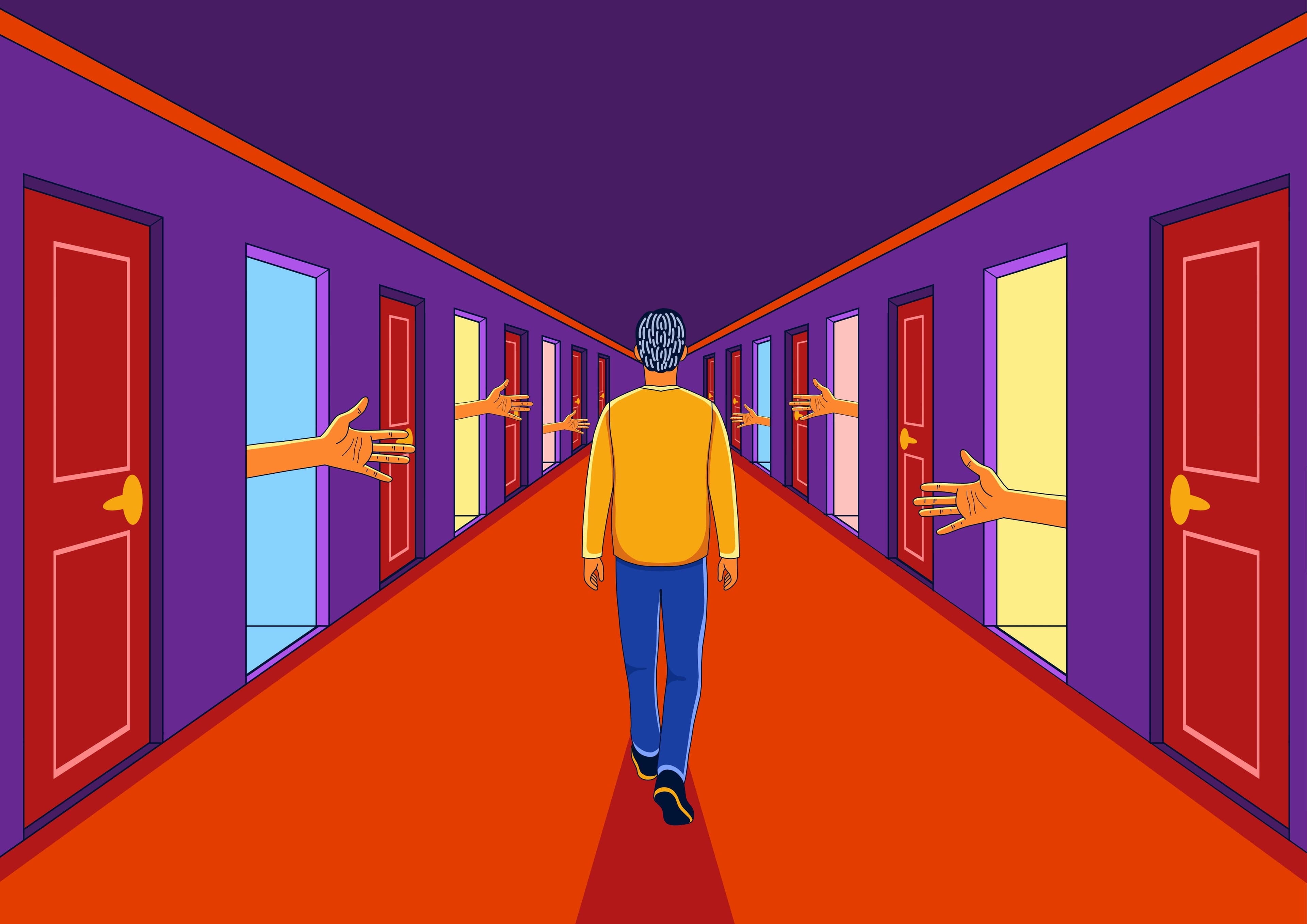
Professional networks can provide leverage, whether through collaboration, shared resources, or simply advice that saves you hours of trial and error. For freelancers especially, this reduces isolation and creates momentum.
At home, support is just as critical. Delegating responsibilities, sharing schedules, and having honest conversations about workload can transform tension into teamwork. Studies on dual income households show that clear communication and shared expectations significantly improve both relationship satisfaction and career outcomes.4
If you treat support as a last resort, you will always feel stretched. If you treat it as part of your system, everything becomes more sustainable.
Flexibility That Serves You, Not Just Your Work
Flexibility is often marketed as freedom, but in practice it can become a trap. Without structure, work expands into every available space.
Real flexibility means choosing when and how you work in a way that aligns with your life. That might mean shifting hours earlier to free up late afternoons, compressing your workweek, or batching meetings into fewer days.
This is especially powerful in the summer. A midday break for a park visit or an early Friday sign off can feel small, but those moments compound into a season you actually experience instead of just getting through.
Self Care as a Performance Strategy
Self care is often framed as indulgent. In reality, it is operational.
Sleep, movement, and mental resets directly affect cognitive performance, decision making, and emotional regulation. Research consistently shows that even modest improvements in these areas can significantly increase productivity and resilience.5
You do not need a complete lifestyle overhaul. Start with one consistent habit that stabilizes your day. A short walk, a screen free evening window, or even ten minutes of quiet can create noticeable change over time.
Adapt Before You Burn Out
Balance is not a fixed state. It is something you recalibrate as your work and life evolve.
Check in regularly. Are your current routines supporting the life you want this summer, or just maintaining momentum from the last season? Adjust accordingly. This might mean renegotiating deadlines, exploring new workflows, or even redefining what success looks like for a few months.
Adaptability is not about doing more. It is about doing what matters, at the right time, for the right reasons.
The Summer You Actually Remember
Years from now, you will not remember the emails you answered in June. You will remember the afternoons that stretched a little longer, the conversations that were not rushed, and the moments that felt fully yours.
So here is the challenge. Choose one boundary you will enforce starting today. Choose one hour this week that is non negotiable family or personal time. Protect it like it matters, because it does.
No one is going to hand you balance. You have to claim it, one decision at a time.
References
Laura Vanderkam, 168 Hours: You Have More Time Than You Think (New York: Portfolio, 2010).
Freelancers Union, “The Freelance Life: Balancing Work, Life, and Success,” accessed October 5, 2023, https://www.freelancersunion.org/resources/lifestyle/balance/.
David Allen, Getting Things Done: The Art of Stress-Free Productivity (New York: Penguin Books, 2015).
Sharon Meers and Joanna Strober, Getting to 50/50: How Working Parents Can Have It All (New York: Bantam, 2013).
Jon Kabat-Zinn, Wherever You Go, There You Are: Mindfulness Meditation in Everyday Life (New York: Hachette Books, 2005).
Upwork, “The Future Workforce Report 2022,” accessed October 5, 2023, https://www.upwork.com/press/releases/future-workforce-report-2022.
Daniel H. Pink, Drive: The Surprising Truth About What Motivates Us (New York: Riverhead Books, 2011).
More from Work Life Balance
Explore related articles on similar topics