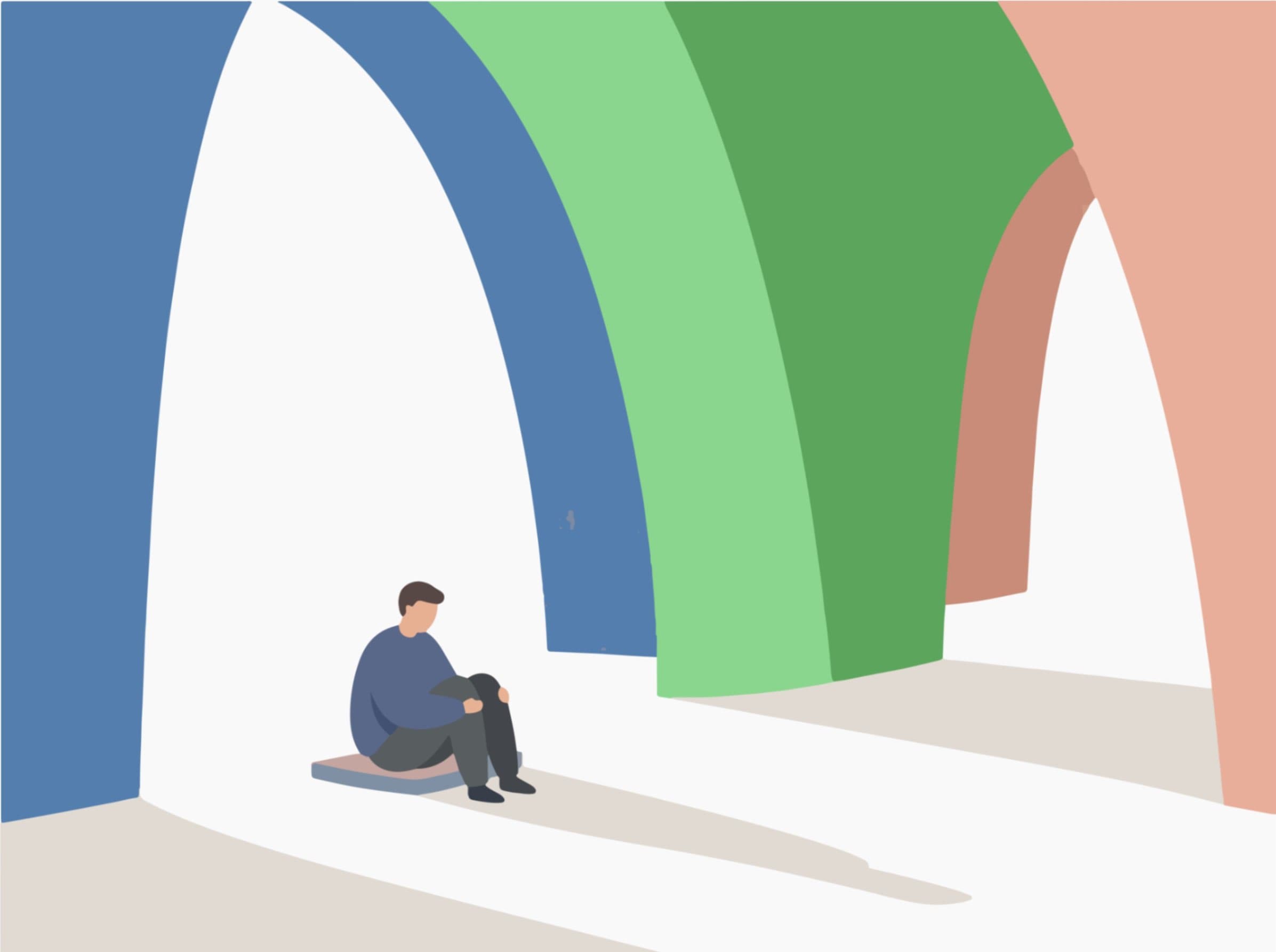
When the Badge Comes Home: The Quiet Struggle for Balance in Law Enforcement
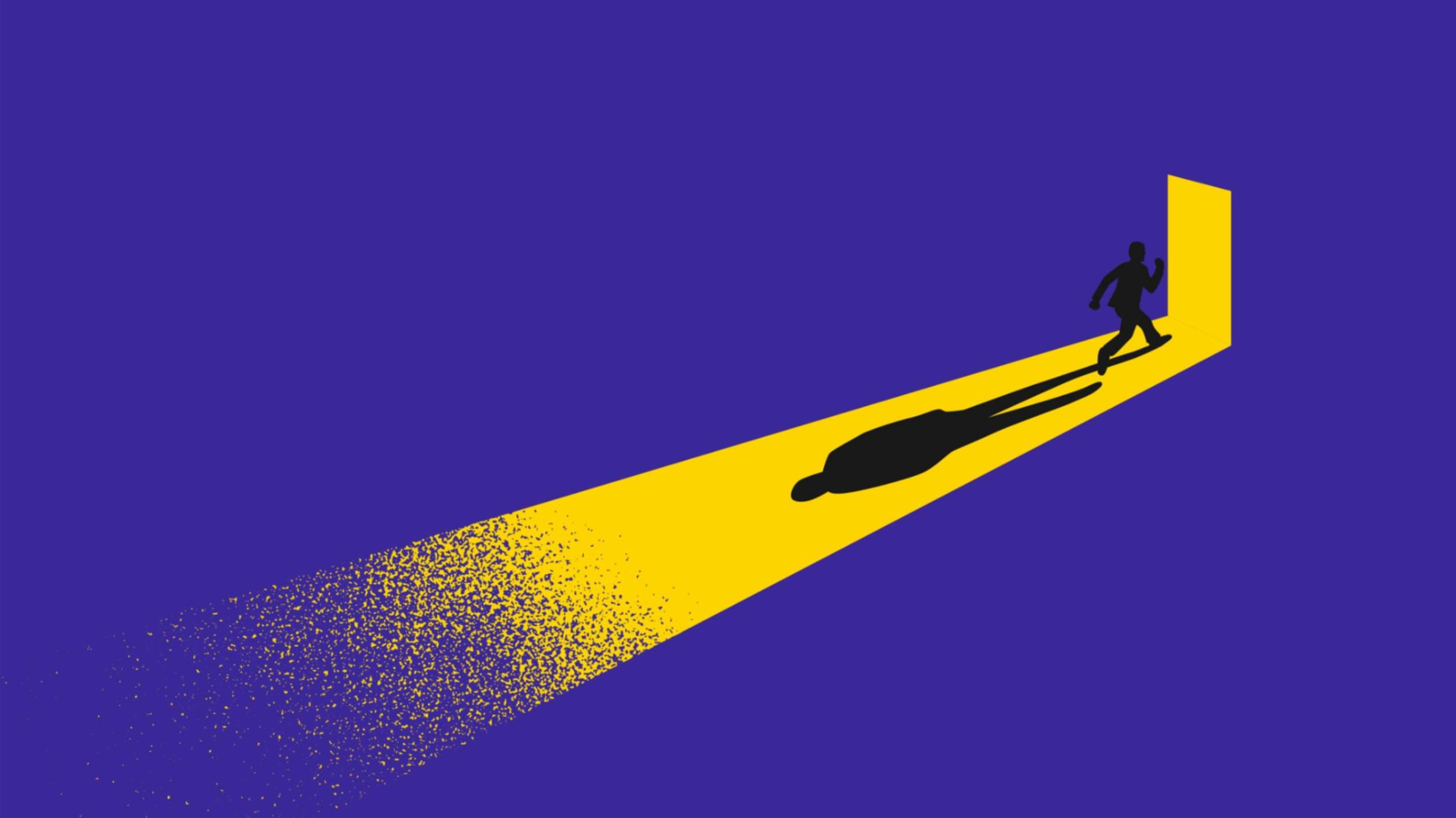
There’s a moment every officer knows.
You pull into the driveway. The engine cuts off. The radio finally goes silent. And for a few seconds, you just sit there. Because what waits inside that house is not the street - but you’re still carrying it with you.
That is where work-life balance in law enforcement truly lives - not in policy manuals or wellness seminars, but in that quiet space between who the job requires you to be and who your family needs you to be.
The Job That Doesn’t Clock Out
Law enforcement is not a shift. It’s an identity. As my wife would say when someone asked about me being in law enforcement, "He's not working in law enforcement: he is law enforcement."
You are trained to anticipate danger, read behavior, stay alert, stay guarded. That mindset keeps you alive on the street. It also follows you home - where it can quietly begin to damage the very relationships you’re working to protect.
Hypervigilance turns into impatience. Command presence turns into control. Emotional suppression turns into distance.
And often, you don’t even realize it’s happening.
Because from your perspective, you’re doing what works.
The Cost No One Writes in the Report
Officers are taught to absorb stress without showing it. You handle conflict, tragedy, and human darkness daily - and then you’re expected to walk through your front door and be present, patient, and emotionally available.
That’s a hard pivot.
So what happens instead?
You withdraw. Not out of anger - but out of exhaustion.
Conversations get shorter. Connection gets thinner. Your spouse stops asking how your day was - not because they don’t care, but because the answers feel far away. Over time, distance doesn’t arrive all at once. It drifts in quietly.
And by the time it’s noticed, it already feels normal.
Why Balance Feels So Difficult
Most advice about work-life balance doesn’t fit law enforcement because it assumes something simple: that you can leave work at work.
You can’t.
The job exposes you to things most people never see. It rewires how you think, how you assess risk, how you trust. You don’t just carry memories - you carry patterns of thinking that become automatic.
So balance isn’t about separation.
It’s about transition.
Learning to Come Home - Intentionally
The officers who manage this best don’t ignore the weight of the job. They build deliberate habits to cross that invisible line between work and home.
Not perfectly. But consistently.
Create a transition ritual
Something small, but intentional. A few minutes in the driveway. A walk before entering the house. A conscious decision: I’m leaving the street here.
It sounds simple. It isn’t. But it matters.
Lower the guard, slowly
You don’t need to share everything - but you do need to share something.
A sentence. A moment. Even just: “Today was heavy.”
That honesty builds connection without forcing you to relive it all.
Let your family see the human, not just the officer
Your family doesn’t need the version of you that handles chaos. They need the version of you that feels.
That can feel uncomfortable at first. For many officers, vulnerability feels like risk. But at home, it’s the opposite - it’s what keeps relationships alive.
Accept that decompression takes time
You won’t walk in and instantly switch roles. That’s not failure - it’s reality.
Give yourself permission to take a few minutes to adjust. Just don’t disappear entirely.
For the Family Standing Beside the Badge
Balance is not just the officer’s responsibility.
Families carry weight too - the unpredictability, the missed holidays, the emotional distance they don’t always understand.
The strongest families learn this truth: the officer isn’t pulling away to hurt you. They’re often trying to protect you - from what they carry.
But protection, over time, can feel like absence.
That’s where patience and communication meet in the middle.
What Balance Actually Looks Like
It’s not equal time. It’s not perfection.
It’s presence - when you’re there.
It’s choosing, even when you’re tired, to engage instead of withdraw. It’s recognizing when the job is shaping you - and pushing back, just enough, to stay yourself.
Because the danger isn’t just what happens on duty.
It’s what quietly follows you home if you let it.
Final Thought
At the end of a career, the calls will blur together. The reports will fade. The cases will belong to history.
But the people in your home - the ones who waited for you, worried for you, stood beside you - they will remember how present you were.
Or how distant.
Work-life balance in law enforcement isn’t about doing less of the job.
It’s about refusing to let the job take what matters most.
Bibliography
Gilmartin, K. M. (2002). Emotional Survival for Law Enforcement: A Guide for Officers and Their Families. E-S Press.
Violanti, J. M., & Aron, F. (1995). Police stressors: Variations in perception among police personnel. Journal of Criminal Justice, 23(3), 287-294.
Burke, R. J. (1993). Work-family stress, conflict, coping, and burnout in police officers. Stress Medicine, 9(3), 171-180.
Anderson, G. S., Litzenberger, R., & Plecas, D. (2002). Physical evidence of police officer stress. Policing: An International Journal of Police Strategies & Management, 25(2), 399-420.