Roots and Responsibility: How Sustainable Land Use Can Save Our Future
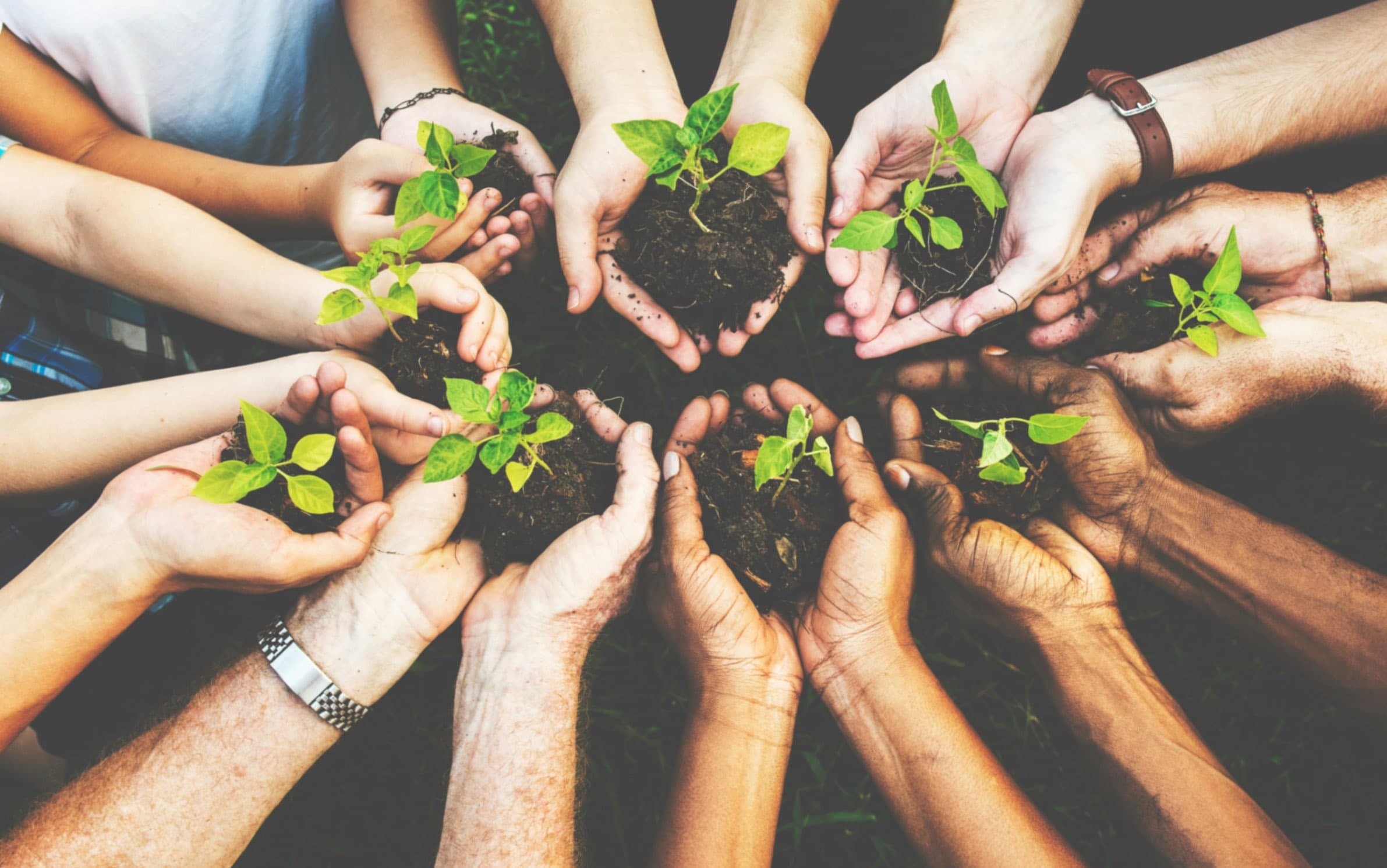
Conservation isn’t just about saving nature anymore- it’s about redefining how we live within it. As climate pressures rise and human needs grow, the real challenge is finding solutions that protect the planet without leaving people behind. From smarter land use to community-driven action and breakthrough technologies, a new kind of conservation is emerging- one that’s as much about survival as it is about balance. The question is no longer whether we can act, but whether we can act together.
Effective conservation strategies require a multi-pronged approach that balances ecological preservation with human needs. One essential strategy involves the implementation of sustainable land management practices. By incorporating methods such as reforestation, agroforestry, and sustainable agriculture, communities can enhance biodiversity while ensuring the land remains productive. These practices not only help conserve soil and water but also support the livelihoods of those depending on these resources.1 Another critical component is the protection of biodiversity through the establishment and management of protected areas. These areas, often governed by regional or national authorities, serve as sanctuaries for flora and fauna, offering them a chance to thrive without human interference. Protected areas can function as vital research sites, helping scientists study ecosystems and biodiversity trends, which in turn informs policy and conservation strategies.2
Community Engagement and Education
Community involvement is paramount to the success of conservation efforts. Engaging local populations in conservation activities fosters a sense of ownership and responsibility toward natural resources. Educational programs that focus on the benefits of conservation can empower communities to partake in sustainable practices, increasing the effectiveness of conservation measures.3 Education should also extend to the younger generation, integrating environmental education into school curricula. This approach ensures that future generations understand the importance of conservation and are equipped to address environmental challenges. When communities are informed and engaged, conservation becomes a collaborative effort, leading to more sustainable outcomes.4
Climate Change Mitigation and Adaptation
Addressing climate change is integral to conservation efforts. However, whether address these issues will not mean much if we lose our humanity in the process. Mitigation measures, such as reducing greenhouse gas emissions and transitioning to renewable energy sources, can help in combating climate change, but the rift between people both within and between nations can create obstacles to all of our good intentions. This shift requires collaboration between governments, industries, and communities to implement policies that promote energy efficiency and reduce reliance on fossil fuels.5 Adaptation strategies are equally important, as they enable ecosystems and communities to adjust to changing climatic conditions. This includes measures like developing climate-resilient infrastructure, enhancing water management systems, and protecting coastal areas from rising sea levels. By integrating adaptation measures into conservation strategies, communities can better withstand the impacts of climate change and protect their natural resources.6
Technological Advancements in Conservation
Technological innovations offer new avenues for enhancing conservation efforts. Remote sensing technology, for instance, allows for the monitoring of large areas, providing valuable data on land use changes, deforestation rates, and habitat destruction. This information is crucial for making informed decisions about resource management and conservation priorities.7 In addition, advancements in data analytics and artificial intelligence can help predict environmental trends and identify areas at risk. These tools enable conservationists to develop proactive strategies, preventing environmental degradation before it occurs. By harnessing technology, conservation efforts can become more precise, efficient, and effective.8
Policy and Governance for Environmental Protection
The development and enforcement of environmental policies play a critical role in conservation. Policies must be based on scientific evidence and consider the socio-economic context of the region. Effective governance ensures that policies are implemented and enforced, holding accountable those who do not comply with environmental regulations.9 International collaboration is also essential, as environmental issues often transcend national boundaries. Global agreements, such as the Paris Agreement, set targets for reducing carbon emissions and promoting sustainable development. These agreements require countries to work together, sharing knowledge and resources to achieve common conservation goals.10
The Role of Urban Planning in Conservation
Urban planning can significantly impact conservation efforts, particularly in areas experiencing rapid development. Thoughtful urban planning incorporates green spaces, reduces urban sprawl, and promotes sustainable transportation systems. This approach not only preserves natural habitats but also enhances the quality of life for residents by providing cleaner air and recreational opportunities.11 Integrating conservation principles into urban planning requires collaboration between urban planners, conservationists, and the community. By aligning development goals with conservation priorities, cities can grow sustainably, minimizing their environmental footprint and preserving valuable ecosystems.12
Call to Action: Collaborative Efforts for a Sustainable Future
Achieving long-term conservation and sustainable resource management necessitates collective action from all sectors of society. Governments, businesses, and individuals must work together, sharing knowledge and resources to protect the environment. By fostering partnerships and encouraging innovative solutions, it is possible to create a sustainable future where both people and nature thrive.13 Municipalities play a crucial role in this endeavor, as they are often at the forefront of implementing conservation initiatives. By adopting sustainable practices and engaging their communities, local governments can lead by example, inspiring others to follow suit. Together, these efforts can drive meaningful change, ensuring the preservation of natural resources for generations to come.14
Bibliography
Food and Agriculture Organization of the United Nations. 2017. "Agroforestry for Landscape Restoration: Exploring the Potential of Agroforestry to Enhance the Sustainability and Resilience of Degraded Landscapes." FAO.
United Nations Environment Programme. 2019. "Protected Planet Report 2018." UNEP-WCMC and IUCN.
World Wildlife Fund. 2020. "Community-Based Conservation Approaches: A Primer." WWF.
Department of Education and Skills. 2018. "A National Strategy on Education for Sustainable Development in Ireland." Government of Ireland.
Intergovernmental Panel on Climate Change. 2021. "Climate Change 2021: The Physical Science Basis." IPCC.
National Oceanic and Atmospheric Administration. 2020. "Adapting to Climate Change: A Planning Guide for State Coastal Managers." NOAA Office for Coastal Management.
National Aeronautics and Space Administration. 2022. "Earth Science Division Highlights: Remote Sensing Technologies for Environmental Conservation." NASA.
Artificial Intelligence for Earth System Predictability. 2023. "Leveraging AI for Environmental Sustainability." AI4ESP.
Environmental Protection Agency. 2021. "Regulations and Guidance: Environmental Policy and Governance." U.S. EPA.
United Nations Framework Convention on Climate Change. 2016. "The Paris Agreement." UNFCCC.
American Planning Association. 2019. "Green Infrastructure and Urban Planning: Integrating Nature into Urban Development." APA.
International Council for Local Environmental Initiatives. 2020. "Sustainable Urban Planning: A Guide for Local Governments." ICLEI.
Global Environmental Facility. 2018. "Building Global Partnerships for Conservation: A Strategic Approach." GEF.
Local Governments for Sustainability. 2021. "Municipal Action for a Sustainable Future: Best Practices and Case Studies." ICLEI.