Powerful Climate Lessons Aren't in a Classroom- It’s in Your Daily Life

The most powerful climate lesson you will ever teach will not happen in a classroom. It will happen in a passing comment on the subway, a choice at the grocery store, or a quiet decision to walk instead of drive on a humid July afternoon in New York City. Global warming is not just a topic. It is a lived experience, and the people who teach it best are the ones who weave it into everyday life.
THE EVERYDAY CLASSROOM IS EVERYWHERE
Think about the last time someone changed your mind. It probably was not during a formal lecture. It was likely in a conversation that felt real, specific, and grounded in experience. That is exactly how climate awareness spreads.
Educators and everyday citizens alike have a unique opportunity to turn ordinary moments into meaningful exchanges. A parent explaining why the family switched to reusable bags. A manager discussing energy use during a team meeting. A friend pointing out how hotter summers are changing their daily routine. These small, grounded moments build a collective understanding that feels personal rather than abstract.
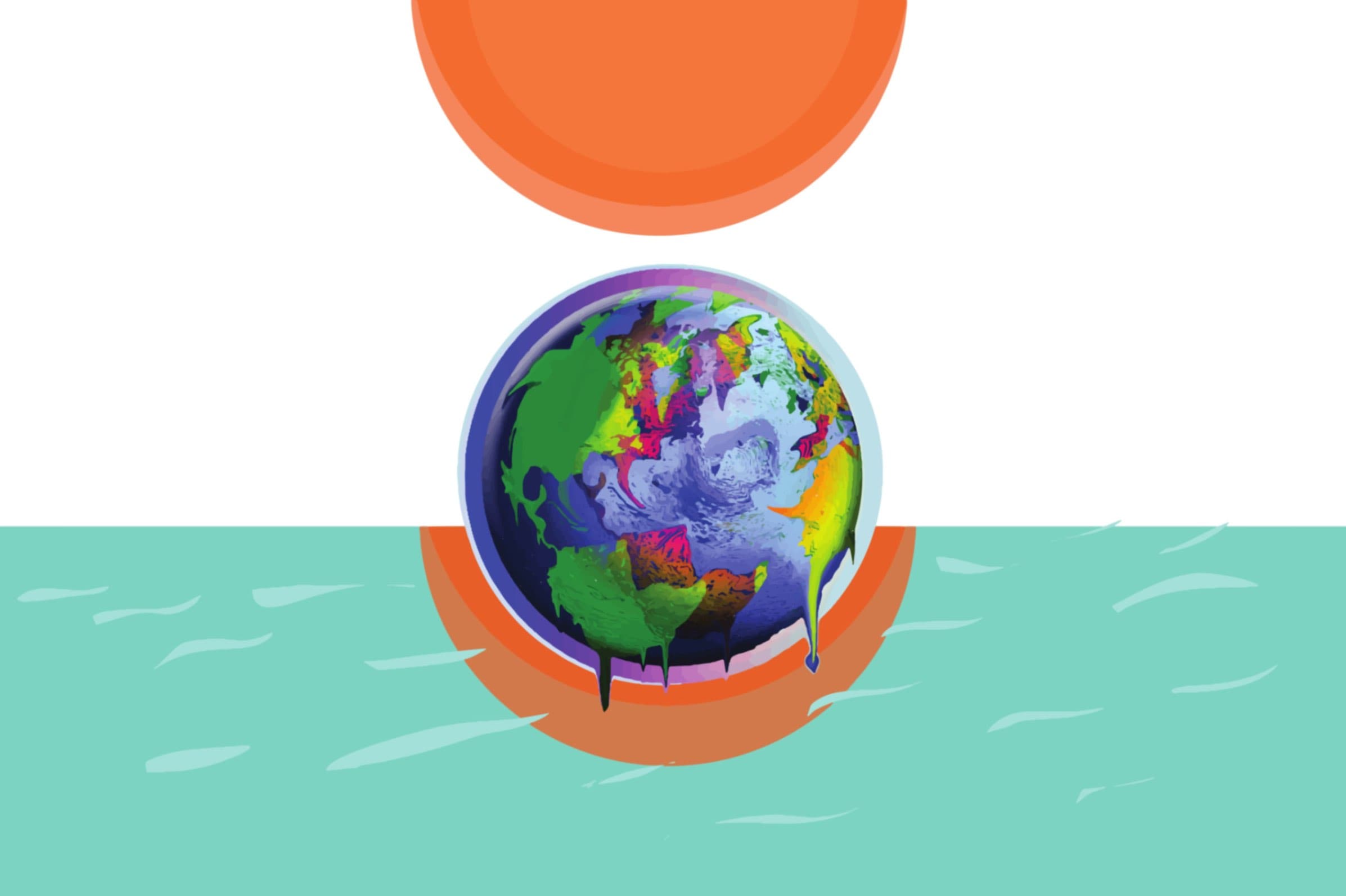
According to NASA, the past decade has been the warmest on record, with 2023 and 2024 setting new global temperature highs. Those numbers matter, but what matters more is translating them into something people can feel. When someone says, “Winters used to feel different,” that is data becoming human.
CONVERSATION IS THE NEW CURRICULUM
Talking about climate change does not require expertise. It requires curiosity and honesty. The most effective communicators ask questions as often as they share facts.
Instead of presenting a lecture, try opening with something simple. “Have you noticed how early spring seems to arrive now?” This invites reflection rather than resistance. People are more willing to engage when they feel included rather than instructed.
Storytelling is a powerful tool here. A teacher might share how their students tracked local temperature changes over time. A city worker might describe how flooding patterns have shifted in their neighborhood. These stories make global warming tangible and local.
The Yale Program on Climate Change Communication has found that personal conversations are one of the strongest drivers of climate awareness. When people hear about climate impacts from someone they trust, the message carries more weight than statistics alone.
LEADERSHIP THROUGH DAILY CHOICES
Teaching without speaking is often the most convincing method. Actions create a quiet but persistent form of influence.
When educators and professionals model sustainable behavior, they normalize it. Choosing public transit, reducing waste, supporting local food systems, or advocating for energy-efficient policies sends a signal. It says, “This matters enough to act on.”
In workplaces, leaders can integrate climate awareness into decision making. This could mean prioritizing sustainable vendors, encouraging remote work to reduce commuting emissions, or simply acknowledging environmental impact during planning discussions. These actions do not need to be dramatic to be meaningful. Consistency is what builds credibility.
For those early in their careers, this is especially powerful. You do not need authority to influence culture. You need intention. Small, visible choices ripple outward.
STAYING A STUDENT IN A CHANGING WORLD
One of the most important responsibilities of anyone teaching about global warming is to remain a learner. Climate science evolves quickly, and so do the social, economic, and political dimensions surrounding it.
Staying informed does not mean becoming overwhelmed. It means building a habit of curiosity. Follow credible sources such as the Intergovernmental Panel on Climate Change, NASA, and leading research institutions. Pay attention to local data as well, since regional impacts often resonate more deeply than global averages.
Trends matter. For example, the rapid growth of renewable energy, the increasing frequency of extreme weather events, and the shifting policies in major cities all shape how climate change is experienced and addressed. Understanding these trends allows you to speak with relevance and confidence.
It is also important to acknowledge uncertainty when it exists. Saying “I am still learning about this” builds trust. It shows that climate education is not about having all the answers. It is about engaging with the questions.
SHARING RESOURCES THAT ACTUALLY RESONATE
Information overload is real. Simply handing someone a dense report rarely inspires action. The key is to share resources that connect with people’s interests and daily lives.
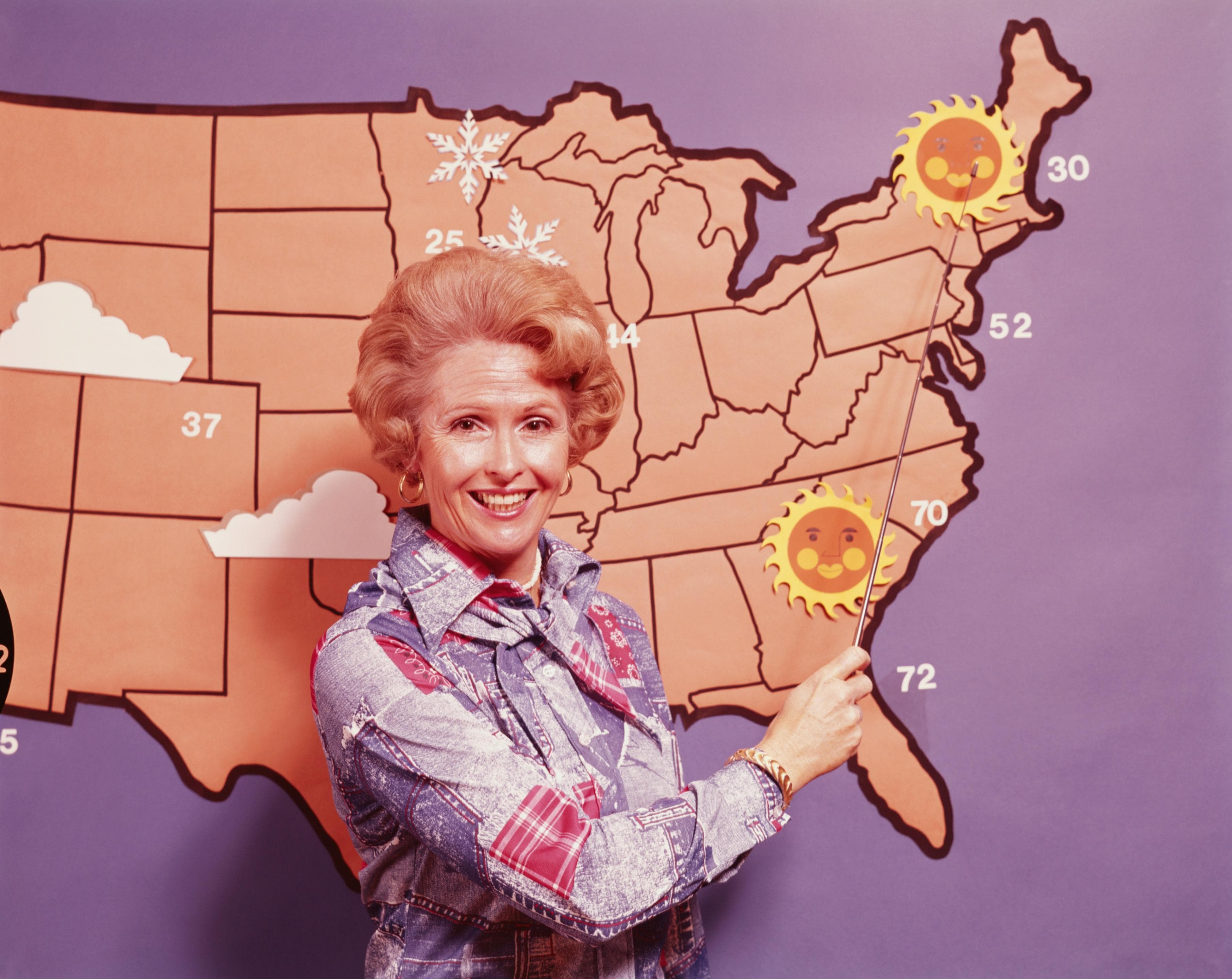
A short documentary clip, an interactive map showing sea level rise in coastal cities, or a podcast episode featuring local voices can make a lasting impression. Even something as simple as a news article about heat waves in New York can spark meaningful discussion.
Timing also matters. Sharing a resource during a relevant moment makes it more impactful. A conversation about rising energy costs can naturally lead to a discussion about efficiency and climate policy. A heat advisory can open the door to talking about urban heat islands.
The goal is not to overwhelm but to invite exploration. When people feel intrigued rather than pressured, they are more likely to continue learning on their own.
FROM AWARENESS TO MOMENTUM
Teaching others about global warming is not about delivering a perfect message. It is about creating momentum. Every conversation, every example, every shared insight contributes to a broader cultural shift.
Imagine a city where climate awareness is woven into everyday dialogue. Where people casually discuss energy use, urban planning, and environmental impact the way they talk about weather or traffic. That kind of cultural change does not start with a single policy or institution. It starts with individuals choosing to engage.
You do not need a podium to teach. You need presence, curiosity, and a willingness to connect the global to the personal.
The next time the topic of weather comes up, do not let it pass as small talk. Turn it into something more. That is where real change begins.
REFERENCES
Intergovernmental Panel on Climate Change. 2023. Climate Change 2023: Synthesis Report. Geneva: IPCC.
NASA Global Climate Change. 2025. “Global Temperature.” https://climate.nasa.gov.
Yale Program on Climate Change Communication. 2024. “Climate Change in the American Mind.” New Haven: Yale University.
United Nations Environment Programme. 2024. Emissions Gap Report 2024. Nairobi: UNEP.