Don’t Be Fooled by the Forecast: The Bigger Climate Picture
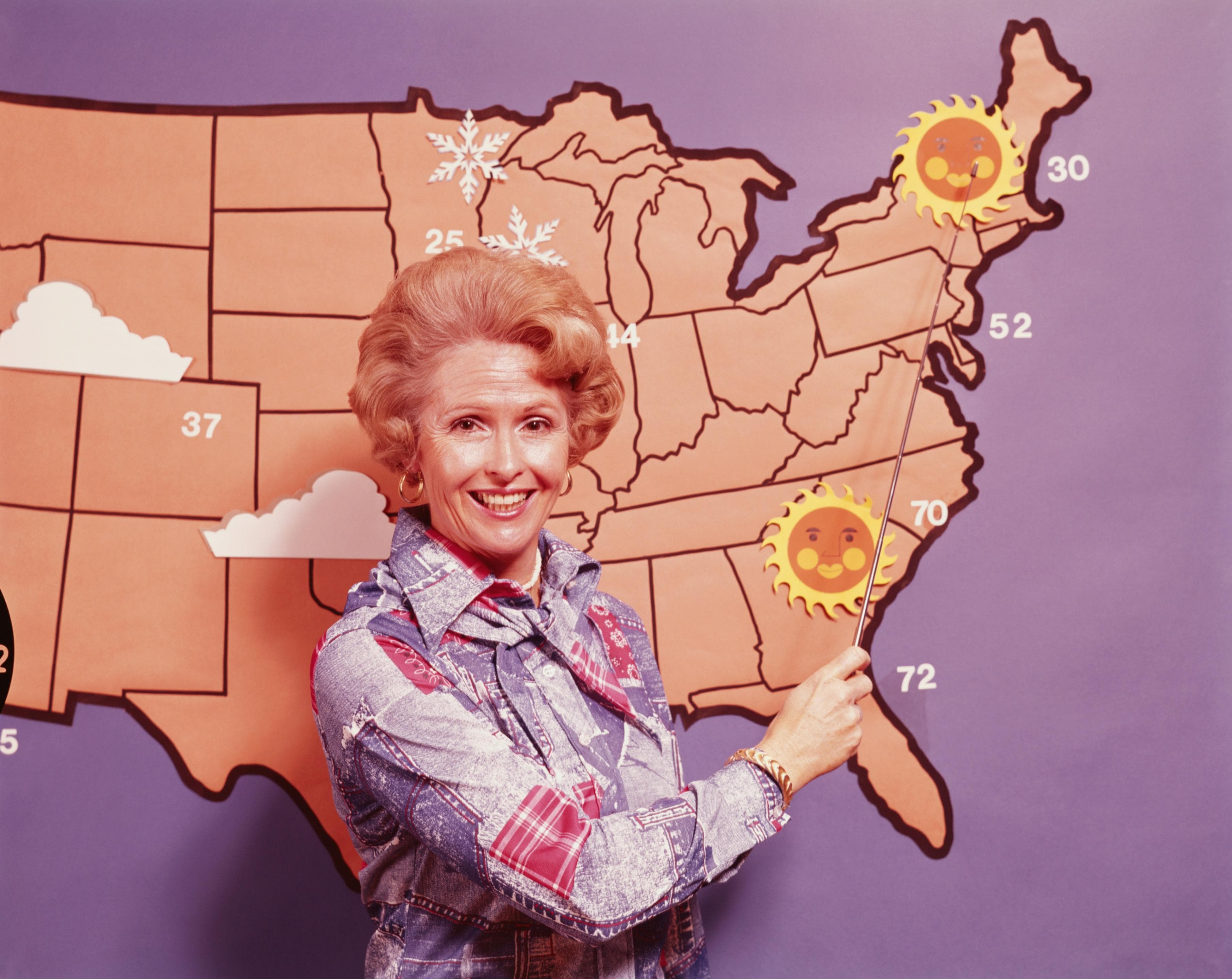
A single chilly summer can fool anyone. Picture a family in Michigan pulling out sweaters in July, joking that global warming must have taken a vacation. It feels convincing in the moment. But that snapshot is not the full story. It is like judging a movie from one frame. Weather is what you feel when you step outside today. Climate is the story that unfolds over decades, across continents, and through millions of data points.
That distinction matters more than ever. Short-term anomalies often grab attention and fuel doubt, yet climate science is built on long-term patterns. Scientists analyze global data collected over more than a century, and the trend is unmistakable. Earth’s average temperature is rising, closely linked to increasing levels of atmospheric carbon dioxide from human activity such as burning fossil fuels (IPCC 2021). When we zoom out, the signal becomes clear even if the day-to-day noise feels confusing. Understanding this difference is not just academic. It shapes how leaders make decisions, how communities prepare, and how each of us interprets what we see outside our window.
The Role of Local Action in Global Challenges
Big problems often feel distant until they show up on your street. Flooded intersections, hotter summers, rising utility costs. This is where local governments step in, turning abstract global challenges into tangible solutions.
Cities across the country are proving that small, strategic changes can add up. Green roofs cool buildings and reduce energy use. Expanded public transit cuts emissions and eases congestion. Urban tree canopies lower temperatures and improve air quality. These are not symbolic gestures. They directly address urban heat islands and greenhouse gas emissions (United Nations Environment Programme 2019).
Portland, Oregon offers a compelling example. Through intentional investments in biking infrastructure, public transit, and renewable energy, the city has built a reputation as one of the most sustainable in the United States (City of Portland 2022). The lesson is straightforward. Local action is not a side note in the climate conversation. It is one of the most powerful levers we have.
Engaging Communities and Building Consensus
Policy alone cannot carry the weight of change. People have to see themselves in the solution.
Consider the transformation of the Los Angeles River. Once a concrete channel designed purely for flood control, it is being reimagined as a living ecosystem. This shift did not happen in isolation. Community groups, local leaders, and residents came together through workshops, public meetings, and shared visioning. The result is a project that supports biodiversity while creating spaces where people can walk, gather, and reconnect with their environment (City of Los Angeles 2021).
When communities are invited into the process, solutions become more practical and more durable. People are far more likely to support what they helped shape. For managers and early-career professionals alike, this is a critical insight. Engagement is not an extra step. It is the foundation of lasting impact.
Investing in Education and Innovation
The future of climate action is being shaped in classrooms, labs, and startup spaces right now. Education builds awareness, but it also builds capability. When students understand climate science and see pathways to contribute, they become problem solvers rather than bystanders.
At the same time, innovation is accelerating progress in ways that felt out of reach just a decade ago. Renewable energy technologies like solar and wind have become significantly more affordable and scalable. What was once considered alternative is now increasingly mainstream. These advancements are essential for reducing global carbon emissions and creating resilient energy systems (International Energy Agency 2021).
For organizations, investing in both education and innovation is not just forward-thinking. It is necessary. It ensures that the next generation is equipped with the tools and mindset to continue the work.
Contributing to a Sustainable Future
The conversation about climate can feel overwhelming, but progress is built through practical, consistent action. Whether you are shaping policy, managing a team, or just starting your career, your role matters.
You might advocate for greener infrastructure in your city, support initiatives that prioritize sustainability in your workplace, or simply start conversations that challenge misconceptions. Each action strengthens a larger network of change.
The future will not be defined by a single breakthrough or one perfect policy. It will be defined by people who choose to stay informed, stay engaged, and keep moving forward even when the path is complex.
So here is the challenge. The next time you hear someone point to a cold day as proof against climate change, do not just nod and move on. Use it as an opening. Share what you know. Connect the dots. Then take one concrete step in your own sphere of influence this week. Because the shift we need is not waiting for permission. It is waiting for participation.
References
IPCC. 2021. Climate Change 2021: The Physical Science Basis. Intergovernmental Panel on Climate Change.
United Nations Environment Programme. 2019. World Environment Situation Room.
City of Portland. 2022. Sustainability at a Glance.
City of Los Angeles. 2021. Los Angeles River Ecosystem Restoration.
International Energy Agency. 2021. Renewables 2021: Analysis and Forecast to 2026.