Hijacked Highways: The Rise of Street Takeovers in America’s Cities

Street takeovers have turned ordinary intersections into viral spectacles- roaring engines, spinning tires, and crowds chasing the thrill. But behind the chaos is something far more serious: organized networks, stolen car parts, and a growing public safety threat that cities are struggling to contain. As social media accelerates the spread and scale of these events, the race isn’t just on the streets- it’s between law enforcement and a rapidly evolving underground culture.
Street Takeovers: A Persistent Challenge
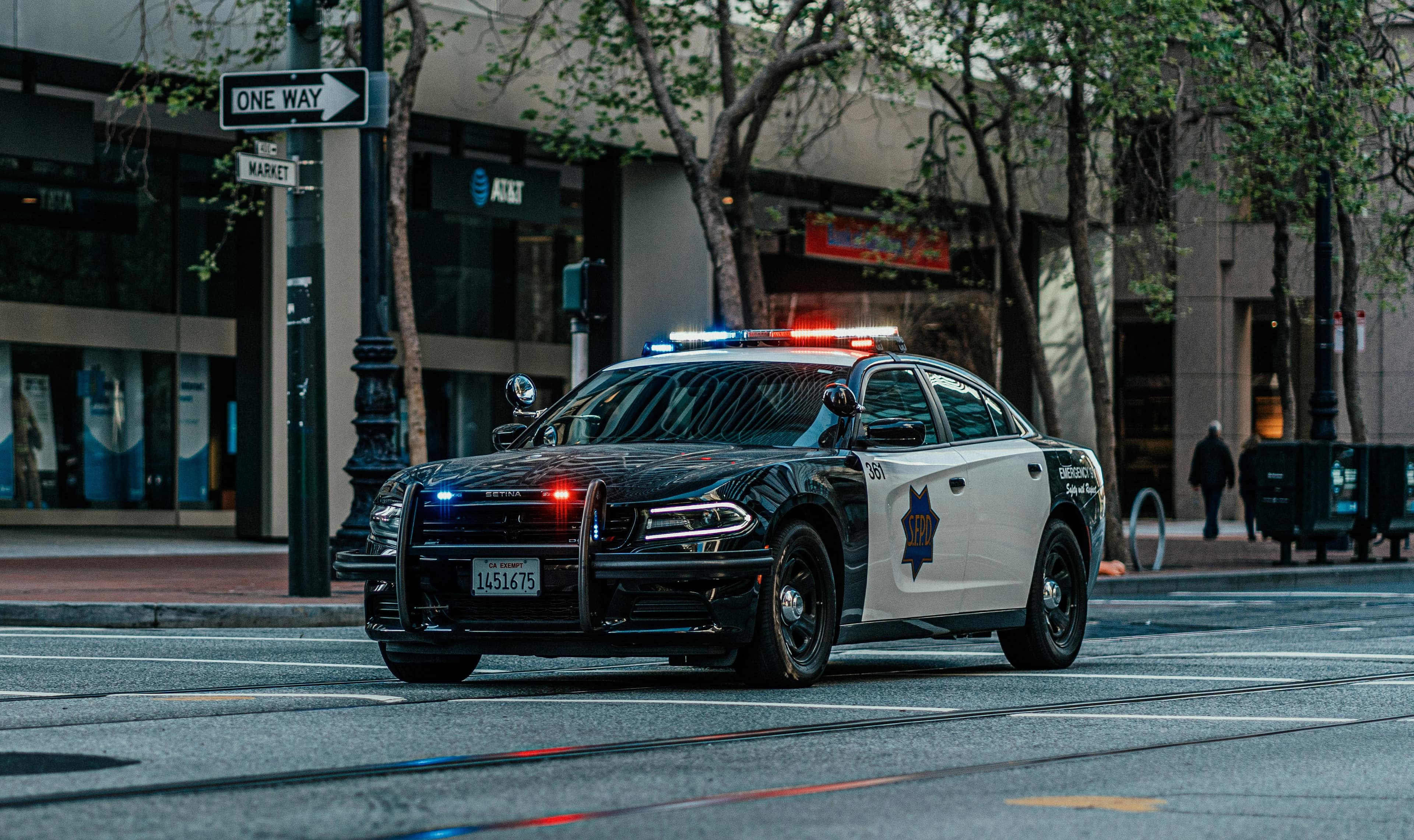
Street takeovers continue to pose significant challenges for public safety officials across urban landscapes. These events, characterized by large groups of individuals who block roads to facilitate illegal street racing, have evolved with the advent of social media. Platforms now serve as a catalyst for organizing these gatherings, enabling participants to converge quickly, often eluding law enforcement efforts1. The spontaneity and unpredictability of such events make them difficult to police, requiring innovative strategies by public safety officials. The impact of street takeovers extends beyond immediate traffic disruptions. They contribute to broader criminal activities, including the exchange of stolen vehicle parts. The connection between street racing and the black market for car parts is well-documented, with many vehicles involved in these races harboring stolen or altered components2. This nexus not only fuels illegal activities but also poses a challenge for law enforcement agencies tasked with curbing such crimes.
Proactive Measures and Enforcement Strategies
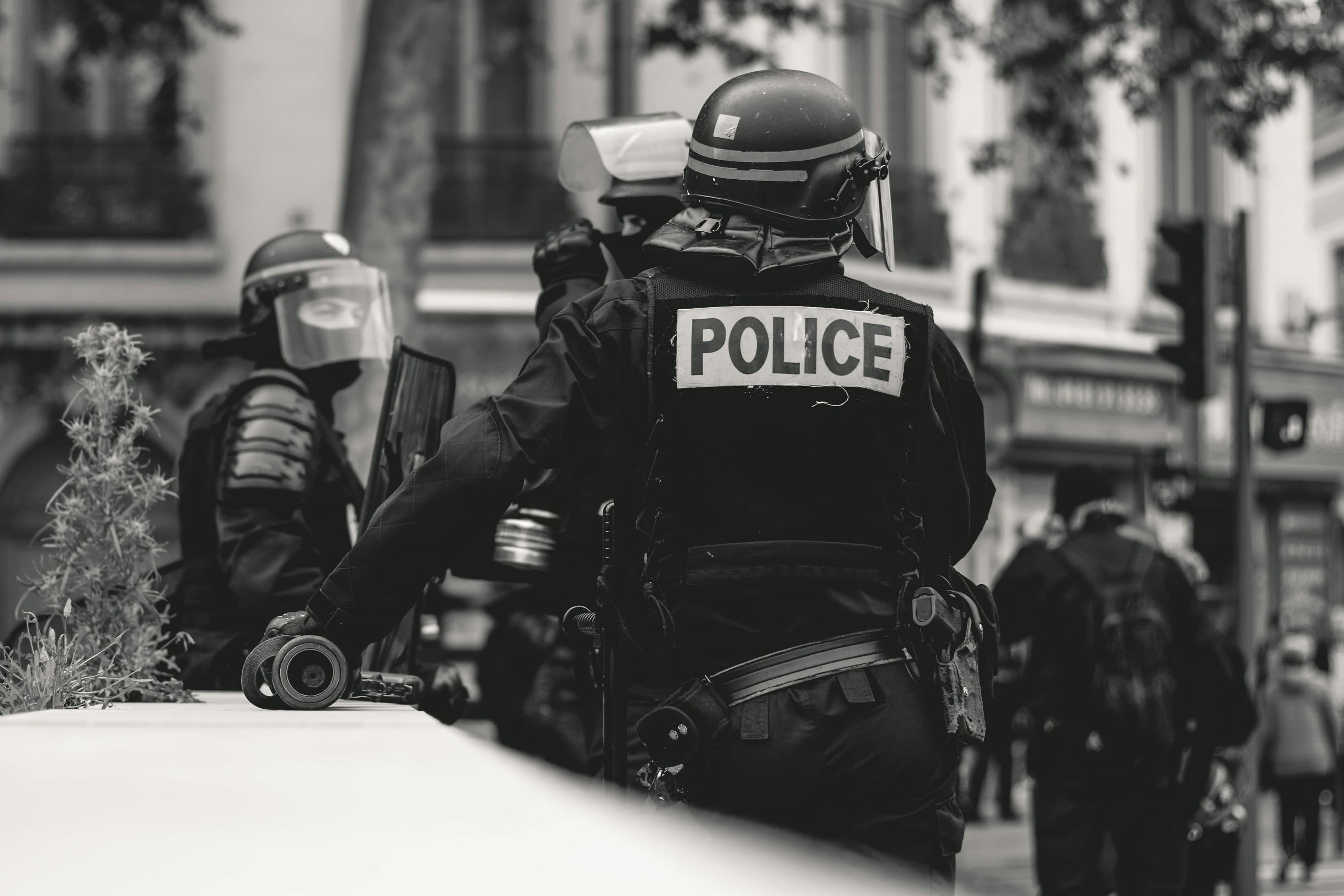
To combat street takeovers effectively, law enforcement agencies must adopt proactive measures. Intelligence gathering is crucial, as understanding the organizational patterns of these events can lead to preemptive actions. Monitoring social media platforms for potential gatherings allows for strategic deployment of resources, preventing races before they start3. Collaboration with technology companies to identify and track online communications related to street racing can also enhance enforcement efforts. Deploying specialized units trained in traffic enforcement and crowd control is another effective strategy. These units, equipped with the necessary tools and expertise, can swiftly respond to takeovers and minimize their impact. Utilizing drones for aerial surveillance provides a tactical advantage, offering real-time insights into the size and movement of these gatherings. This technology facilitates a coordinated response, ensuring law enforcement can manage situations efficiently and safely4.
Community Engagement and Education
Engaging the community is critical in addressing street takeovers. Public awareness campaigns can educate citizens about the dangers associated with illegal street racing and the legal consequences of participating in such events. By fostering a culture of safety and responsibility, communities can play a pivotal role in deterring potential participants5. Involving local businesses and community organizations in these efforts can further amplify the message, creating a unified front against street takeovers. Education initiatives targeting young drivers can also prove beneficial. Partnering with schools and driving programs to incorporate lessons on the dangers of street racing can instill a sense of responsibility from an early age. Providing alternatives, such as sanctioned racing events, offers a safer outlet for those interested in automotive sports. These initiatives not only divert potential participants from illegal activities but also promote a positive relationship between law enforcement and the community6.
Policy and Legislative Approaches
Implementing robust policies and legislation is essential for deterring street takeovers. Strengthening penalties for illegal street racing and related offenses can serve as a significant deterrent. Laws that allow for the seizure and forfeiture of vehicles involved in street racing have proven effective in reducing these incidents7. Additionally, enhancing penalties for repeat offenders underscores the seriousness of these offenses and reinforces the commitment to public safety. Legislative measures should also address the aftermarket automotive industry. Regulations requiring documentation for the sale and purchase of car parts can help curb the circulation of stolen components. By targeting the supply chain of illegal parts, enforcement agencies can disrupt a critical aspect of the street racing economy8. Collaboration between law enforcement and the automotive industry is crucial in developing and enforcing these regulations.
Innovative Solutions and Future Directions
As street takeovers continue to adapt, so too must the strategies employed to combat them. Embracing technological advancements, such as predictive analytics, can enhance enforcement capabilities. By analyzing data from past events, law enforcement agencies can anticipate future gatherings and allocate resources accordingly9. This data-driven approach ensures a more efficient and effective response to street racing activities. Fostering partnerships with other jurisdictions can also enhance enforcement efforts. Street racing often transcends municipal boundaries, requiring a coordinated approach across regions. Joint task forces and information-sharing initiatives enable law enforcement to address street takeovers comprehensively, pooling resources and expertise to tackle this pervasive issue10.
Looking Forward: A Call to Action
Addressing street takeovers demands a multifaceted approach, combining enforcement, education, and policy measures. Law enforcement agencies must remain vigilant, adapting strategies to the evolving landscape of street racing. By fostering community partnerships and leveraging technology, public safety officials can disrupt these illegal activities and enhance safety. The commitment to addressing street takeovers requires continued innovation and collaboration, ensuring the safety of roadways for all users. Taking decisive action today will pave the way for safer communities tomorrow, underscoring the importance of proactive measures and strategic planning in the fight against street racing. By prioritizing public safety and working collectively, stakeholders can effectively deter street takeovers and promote a culture of lawful and responsible driving.
Bibliography
1. Van Alstyne, Dana. "Social Media's Role in Organizing Street Racing Events." *Journal of Urban Security* 32, no. 4 (2022): 45-59. 2. Johnson, Matthew. "The Illicit Market for Vehicle Parts: Connections to Street Racing." *Automotive Crime Report* 15, no. 2 (2020): 23-37. 3. Smith, Robert, and Emily Brown. "Law Enforcement Strategies for Preventing Street Racing." *Public Safety Quarterly* 20, no. 1 (2021): 12-27. 4. Green, Laura. "Innovations in Policing: The Use of Drones in Crowd Control." *Police Technology Review* 18, no. 3 (2021): 5-18. 5. Thompson, Sarah. "Community-Led Initiatives in Combating Street Racing." *Community Safety Journal* 14, no. 2 (2021): 34-48. 6. Evans, Richard. "Educational Programs for Young Drivers: A Preventative Approach." *Journal of Road Safety Education* 11, no. 1 (2020): 22-31. 7. Lewis, Anthony. "Vehicle Forfeiture Laws and Their Impact on Street Racing." *Legal Perspectives on Traffic Safety* 9, no. 4 (2019): 15-28. 8. Baker, Helen. "Regulatory Measures in the Aftermarket Automotive Industry." *Industry Regulation Journal* 27, no. 2 (2021): 41-52. 9. Carter, James. "Predictive Analytics in Law Enforcement: A New Frontier." *Security Technology Review* 25, no. 3 (2022): 14-29. 10. Wilson, Angela, and Michael Harris. "Cross-Jurisdictional Collaboration in Tackling Street Racing." *Regional Security Strategies* 19, no. 3 (2020): 30-44.