Common Sense Is Not a Policy Violation: A Veteran Officer's Plea to His Profession
After having spent several years as a member of the International Association of Chiefs of Police (IACP) Professional Standards, Ethics, and Image Committee as well as several decades in law enforcement, I am of the opinion that we have done a decent job with the first two, but we struggle with the last one.
The vast majority of law enforcement agencies have policies and procedures in place as well as the certification requirements of the various states sanctioning bodies- MPOETC and TCOLE, for example. Those all check the Professional Standards box.
Those same policies, procedures, and certifications also serve to ensure ethical conduct, particularly when combined with state and federal criminal statutes. Ethics box checked.
As far as Image goes, we fall way short of maintaining a positive image. And that falls squarely on the members of the profession themselves and particularly on members of police administrations nationwide. It appears to be one step forward and two steps back when attempting to resurrect our image as police officers.
The cost of robotic enforcement
One recent example that comes to mind was a case I was assigned to prosecute. Pennsylvania Vehicle Code Section 3805 allows for the granting of an "Interlock license," providing for an individual convicted of DUI to drive a vehicle as long as it is equipped with a functioning and approved Ignition Interlock Device.
In this particular case, the individual had the requisite device, and the officer confirmed that it was approved and operable. The individual also possessed the state-issued "Interlock license"; however, he had not yet obtained the required Department of Transportation photograph for the license.
The result of the stop? The individual was charged under the suspended license statute that called for a mandatory 60-day jail sentence.
To quote President Joe Biden, "C’mon man!"
Here we had an individual who had complied with the law almost to the letter. One option? Issue a warning to have the photo taken within 7 days or a citation would be issued.
I can list dozens of other examples in which police officers held to an absolute, strict "by the law" approach that not only defied common sense, but subverted that discretion that police officers are bestowed with in the performance of their duties. Hence, the continual assault on the image of the profession.
The dual identity of policing: Law enforcement vs. public safety
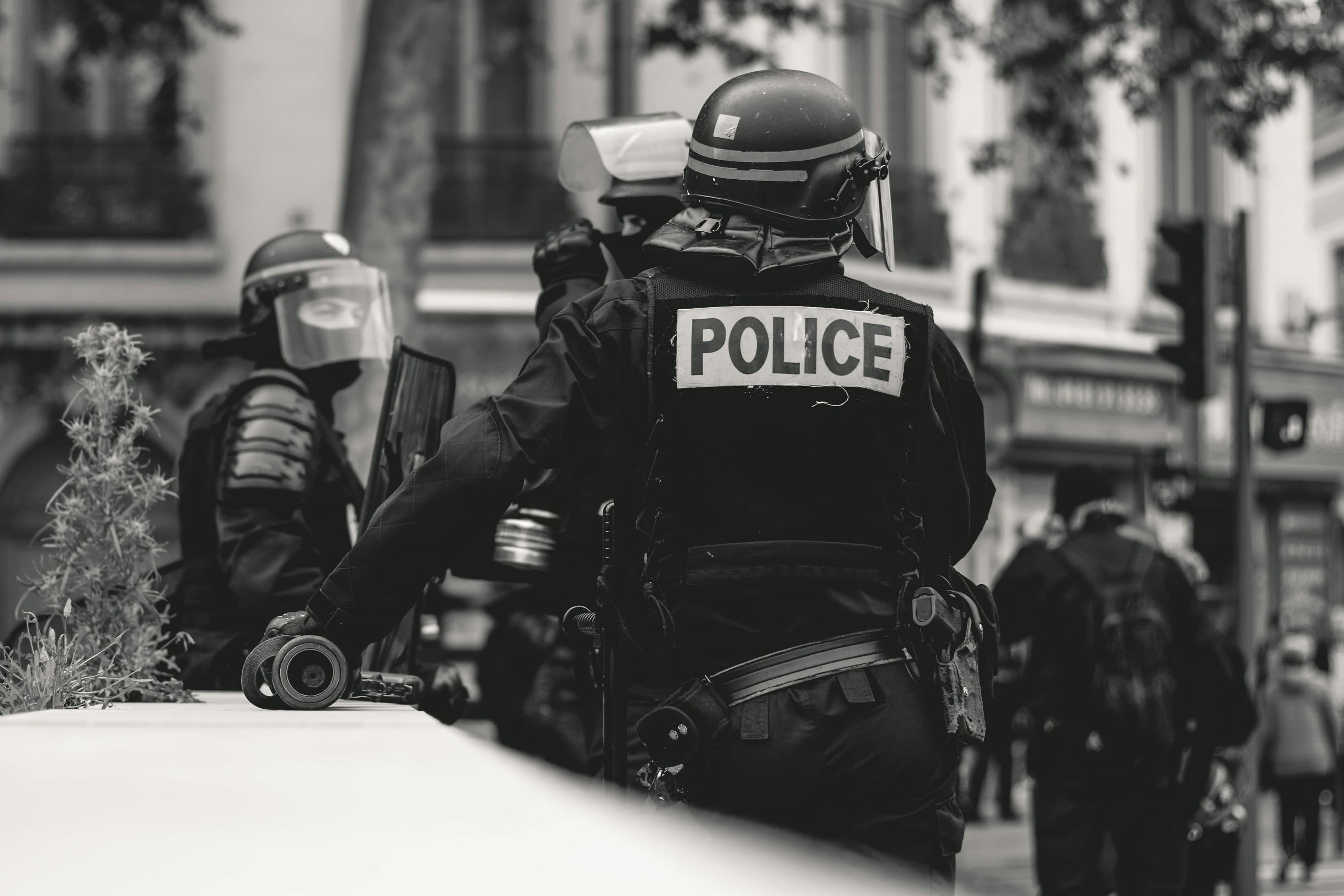
Police officers are not automated code-enforcement robots; they are granted statutory discretion precisely because real-world human interactions require nuanced judgment. When officers trade common sense for hyper-technical enforcement, they undermine public trust and damage the standing of the entire profession.
Leadership dictates culture
This is where police administrators come in. If department leaders only focus on numbers and revenue, it stands to reason that subordinates will follow suit.
Public safety is a different animal than strict law enforcement:
Law enforcement focuses on the technical detection and prosecution of broken rules.
Public safety focuses on resolving hazards, preventing harm, and maintaining social order.
If the former defines a department rather than the latter, officers will continue to be seen as rigid, uncompassionate adversaries of the public. However, if public safety prevails using a common-sense approach to enforcement and community engagement, law enforcement can begin to overcome the systemic image problem that continues to plague the profession. Reclaiming respect does not require dynamic new policies—it simply requires empowering officers to use the common sense they were hired to exercise.