Zoning for a Species on the Edge: How Local Planning Can Make or Break Manatee Survival
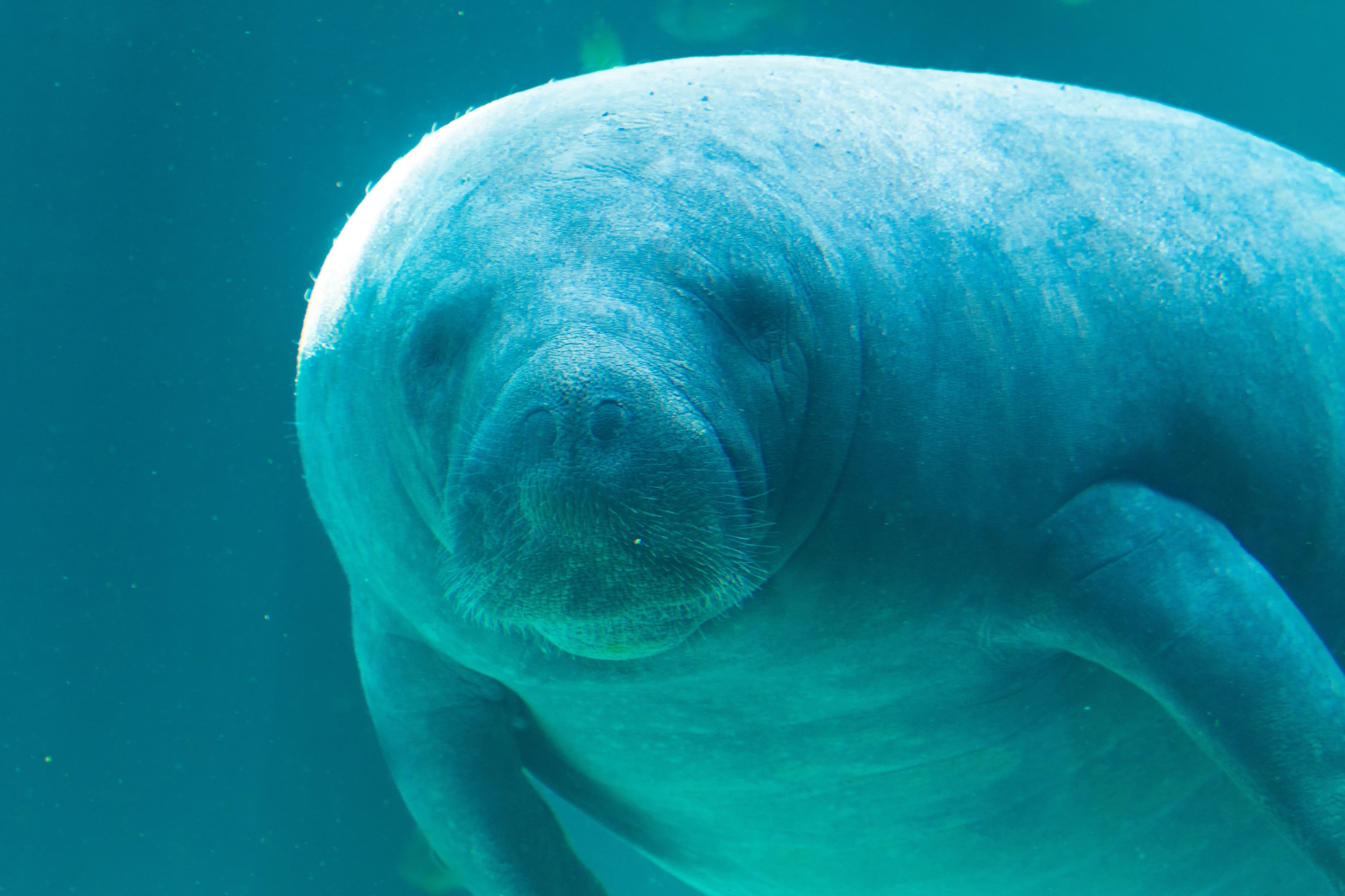
Florida’s manatees are swimming a dangerous gauntlet where speeding boats, fading seagrass meadows, sprawling coastal development, and unstable warm-water refuges all converge to threaten their survival—even as headline population estimates appear to improve. Behind every record-breaking mortality year are policy choices about how we boat, where we build, what we dump into our waterways, and whether we treat conservation as a core public service or a budget-line afterthought. This article dives into the collision between science and politics: why speed zones and awareness campaigns still fall short on the water, how nutrient-fueled algal blooms in places like the Indian River Lagoon helped trigger an unprecedented die-off, and what it would actually take—from land-use planning and spring restoration to coordinated enforcement and innovative funding—to turn a fragile recovery plan into lasting security for Florida’s most iconic marine mammal.
Threats to Manatee Conservation and Policy Responses
While the Florida Manatee Recovery Plan has contributed to population gains, significant threats continue to challenge manatee survival. One of the most pressing issues is watercraft collisions, which remain a leading cause of manatee mortality. Despite widespread implementation of speed zones and public awareness campaigns, enforcement and compliance vary by region and season. According to the Florida Fish and Wildlife Conservation Commission (FWC), watercraft-related deaths accounted for over 100 manatee fatalities in 2021 alone, highlighting the need for sustained enforcement and targeted education efforts among boaters1.
Another growing concern is the degradation of seagrass beds, which serve as the primary food source for manatees. Nutrient pollution from agricultural runoff, septic systems, and stormwater discharge has fueled algal blooms that block sunlight and hinder seagrass growth. The Indian River Lagoon, once a vital manatee habitat, has experienced severe seagrass die-offs, contributing to an unusual mortality event that saw over 1,100 manatee deaths in 20212. Policy responses have included increased funding for stormwater infrastructure upgrades, improved wastewater treatment, and the development of nutrient reduction strategies. These approaches require active collaboration between state agencies, county governments, and special districts to be effective.
Habitat Protection and Land Use Planning
Habitat protection remains central to the success of the recovery plan. Florida’s coastal development pressures have intensified, particularly in regions like Tampa Bay and the Gulf Coast. To address this, local governments have integrated manatee protection elements into comprehensive land use plans. These include setbacks from waterways, conservation easements, and restrictions on marina construction in known manatee aggregation areas. The U.S. Fish and Wildlife Service (USFWS) collaborates with local planning departments to review coastal development proposals and recommend mitigation measures3.
Additionally, public land acquisition and habitat restoration programs play a critical role. The Florida Forever program, one of the most significant environmental land-buying initiatives in the United States, has prioritized the acquisition of parcels that support warm-water refuges and feeding grounds for manatees4. Local governments can amplify these efforts by pursuing partnerships with water management districts, land trusts, and private landowners to expand protected areas and restore degraded ecosystems. Restoration efforts often involve replanting seagrass, removing invasive species, and reestablishing natural hydrology in estuarine systems.
Importance of Warm-Water Refuges
Warm-water refuges are indispensable for manatee survival during winter months. Historically, manatees relied on natural springs, but increasing numbers now depend on artificial refuges, such as power plant outflows. While these facilities have provided temporary relief, they pose long-term risks if power generation operations change or cease. The Florida Manatee Recovery Plan emphasizes transitioning manatees back to natural springs and enhancing the carrying capacity of these ecosystems5.
To support this goal, the state has initiated spring restoration projects that remove sediment buildup, control invasive aquatic vegetation, and improve water flow. Municipal and county governments can facilitate these efforts by enforcing buffer zones around springs, controlling land use in spring recharge zones, and investing in green infrastructure to reduce runoff. Coordination among water management districts, utility companies, and conservation organizations is essential to balance ecological needs with infrastructure planning. It is also critical to develop contingency strategies for power plant closures to prevent thermal stress-related manatee deaths.
Public Engagement and Education Initiatives
Public participation has been a cornerstone of the Florida Manatee Recovery Plan. Educational campaigns, volunteer programs, and citizen science initiatives have helped raise awareness about manatee conservation and foster community stewardship. Programs like “Manatee Watch,” coordinated by the Save the Manatee Club, train volunteers to monitor manatee sightings, report injuries, and engage in outreach6. These grassroots efforts supplement formal data collection and build public support for conservation measures.
Local governments can enhance public engagement by incorporating manatee education into school curricula, providing interpretive signage at boat ramps and parks, and hosting community events focused on environmental stewardship. Partnerships with aquariums, nature centers, and tourism bureaus provide additional avenues to reach diverse audiences. Municipal practitioners should also consider bilingual outreach materials and culturally relevant messaging to engage Florida’s diverse population effectively. Building a conservation ethic at the community level strengthens compliance with protective regulations and fosters long-term support for environmental policies.
Interagency Coordination and Adaptive Management
Successful implementation of the Florida Manatee Recovery Plan depends on coordinated action across multiple levels of government. The plan is administered by the USFWS in partnership with the FWC, Army Corps of Engineers, and local agencies. Advisory groups such as the Manatee Recovery Implementation Team provide scientific guidance and stakeholder input for adaptive management decisions7. This structure allows the plan to evolve in response to emerging threats and new scientific findings.
Municipal-level staff should stay informed through participation in interagency working groups, public workshops, and technical training sessions. Access to up-to-date research and regulatory changes enables local agencies to align their planning, permitting, and enforcement activities with broader conservation goals. For example, adjustments to manatee protection zones based on telemetry data require timely updates to signage, public notices, and patrol schedules. A proactive approach to interagency coordination ensures that conservation strategies remain effective and responsive to shifting ecological conditions.
Strategic Funding and Resource Allocation
Adequate funding is critical for sustained manatee recovery efforts. Federal grants under the Endangered Species Act, state conservation appropriations, and mitigation funds from development projects have supported habitat restoration, research, and enforcement activities. However, fluctuations in funding levels can hinder long-term planning and implementation. Local governments can bolster financial resilience by leveraging diverse funding sources, including impact fees, conservation bonds, and private donations8.
Strategic resource allocation also requires prioritizing actions with the highest ecological return on investment. For instance, restoring a high-use thermal refuge may yield greater population benefits than scattered small-scale interventions. Decision tools such as habitat suitability models and cost-benefit analyses can aid in setting funding priorities. Municipal staff involved in budget planning should advocate for conservation funding as an essential public service, integrated into stormwater management, land use planning, and economic development initiatives.
Bibliography
Florida Fish and Wildlife Conservation Commission. “Manatee Mortality Statistics.” Accessed April 10, 2024. https://myfwc.com/research/manatee/rescue-mortality-response/statistics/.
U.S. Fish and Wildlife Service. “Unusual Mortality Event: Florida Manatees.” Accessed April 10, 2024. https://www.fws.gov/media/unusual-mortality-event-florida-manatees.
U.S. Fish and Wildlife Service. “Florida Manatee Recovery Plan, Third Revision.” 2001. https://www.fws.gov/media/florida-manatee-recovery-plan-third-revision.
Florida Department of Environmental Protection. “Florida Forever Program.” Accessed April 10, 2024. https://floridadep.gov/lands/environmental-services/content/florida-forever-program.
Laist, David W., and Christopher A. Taylor. “Manatee Winter Mortality Related to Water Temperature.” Biological Conservation 121, no. 4 (2005): 585-593.
Save the Manatee Club. “Manatee Watch and Education Programs.” Accessed April 10, 2024. https://www.savethemanatee.org/our-programs/education/.
U.S. Fish and Wildlife Service. “Manatee Recovery Implementation Team.” Accessed April 10, 2024. https://www.fws.gov/program/manatee-recovery-implementation-team.
National Fish and Wildlife Foundation. “Florida Manatee Conservation Fund.” Accessed April 10, 2024. https://www.nfwf.org/programs/florida-manatee-conservation-fund.