Adapt or Displace? Policy Choices That Decide Who Stays in the Path of Rising Seas
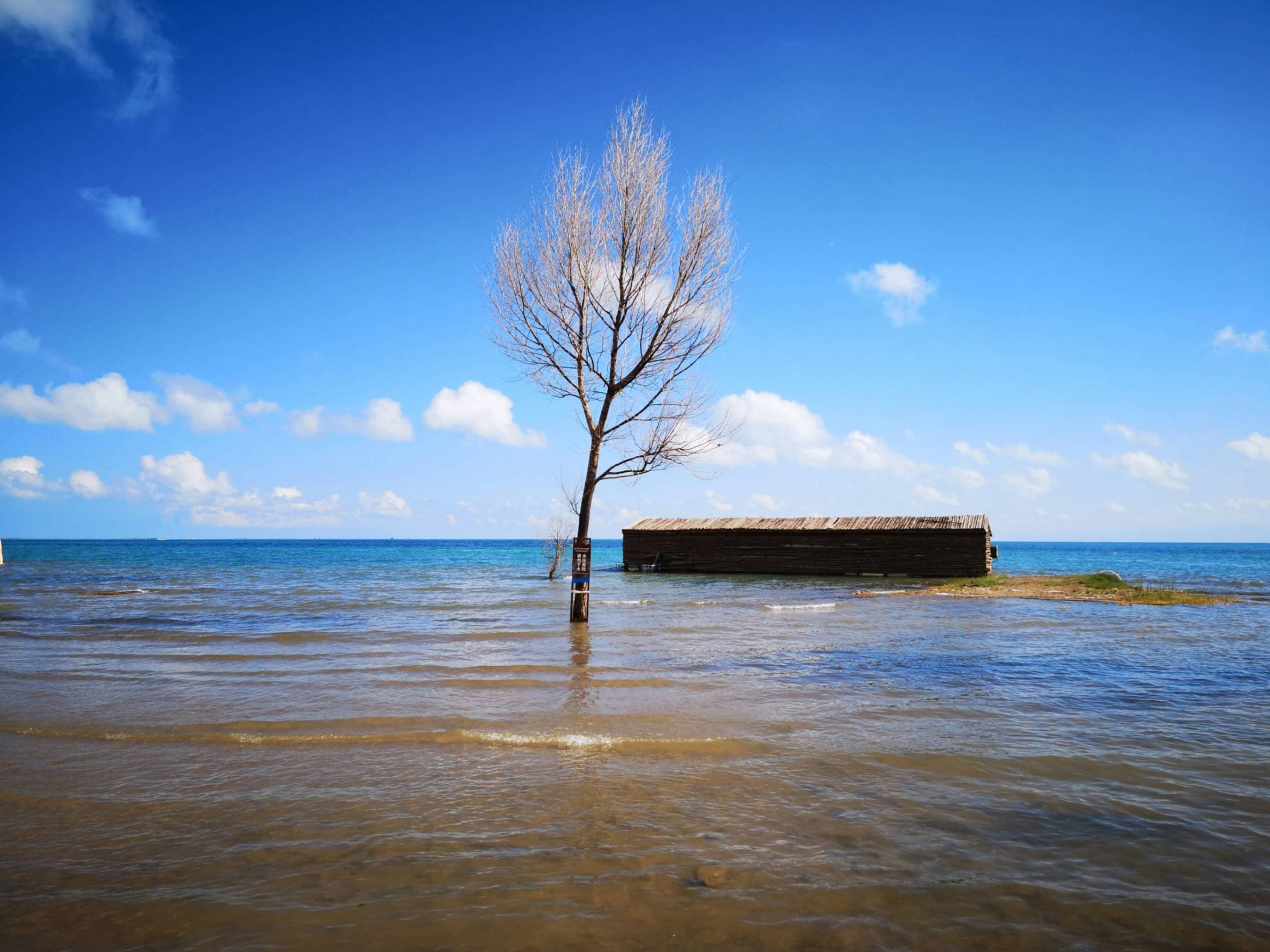
As seas rise and storms intensify, the real story of coastal resilience is not only told in elevation models, seawall heights, or engineering schematics, but in living rooms, church basements, and neighborhood meetings where people quietly decide whether to stay, move, rebuild, or retreat. Who understands the risk, who can afford insurance or a safer home, who trusts government promises, and who gets a voice in planning processes often matters as much as any technical fix in determining which communities weather the coming changes and which are left behind. By weaving together human perception, social vulnerability, political power, and local knowledge, coastal resilience planning can move from a narrow focus on protecting property to a broader, more just project of protecting people and the places they call home.
Integrating Human Dimensions into Coastal Resilience Planning
Addressing sea level rise requires more than engineering solutions and climate projections. It calls for a deep understanding of how people perceive risk, what resources they have to respond, and how social and economic factors shape their choices. The concept of human dimensions helps bridge these gaps by examining the intersection of public awareness, socioeconomic status, and local knowledge. Research shows that individuals from low-income or historically marginalized communities often lack access to the financial resources and technical information needed to prepare for or respond to environmental threats like sea level rise (Moser and Boykoff 2013)1.
Effective resilience planning must incorporate this understanding to avoid reinforcing existing disparities. For example, while some residents may have the means to elevate their homes or purchase flood insurance, others face financial or legal barriers such as rental status, language limitations, or distrust of government programs. Tailoring outreach, support programs, and infrastructure investments to meet these realities can help close adaptation gaps. Community-based planning processes that include residents in decision-making are also more likely to result in equitable and sustainable outcomes (Archer et al. 2014)2.
Socioeconomic and Geographic Vulnerabilities
Vulnerability to sea level rise is not evenly distributed across urban landscapes. Coastal zones often include a mix of high-value real estate and lower-income neighborhoods, with the latter frequently located in lower-lying, flood-prone areas. In cities such as Miami and New York, studies have documented that these neighborhoods experience disproportionately high exposure to flood risks, yet they have fewer resources to prepare or recover (Hauer, Evans, and Mishra 2016)3. This disparity is compounded when public investments prioritize more affluent areas, further marginalizing already vulnerable populations.
Geographic information systems (GIS) and social vulnerability indices can be used to identify where these compounded risks exist. Integrating this data into planning allows local governments to target investments more effectively and equitably. For example, resilience projects such as green infrastructure, seawalls, or home retrofits should be accompanied by policies that protect renters from displacement and ensure that benefits reach those most at risk. Prioritizing vulnerability mapping and community engagement ensures that adaptation strategies do not inadvertently contribute to environmental gentrification or social inequities (Shi et al. 2016)4.
Behavioral Responses and Communication Strategies
Public perception of sea level rise significantly influences how communities prepare and respond. Despite increasing evidence of climate-related flooding, many residents still underestimate their personal risk or rely on past experiences that are no longer relevant due to accelerating climate impacts. Behavioral science research indicates that people are more likely to act when information is localized, personally relevant, and delivered by trusted sources (Weber 2010)5. This highlights the need for communication strategies that go beyond technical reports and instead focus on storytelling, visual tools, and trusted messengers within communities.
Cities can enhance community resilience by investing in tailored risk communication programs. These might include neighborhood-based workshops, translated materials for non-English speakers, and partnerships with local leaders, schools, and faith organizations. For example, participatory mapping exercises can help residents visualize future flood risks and explore adaptation options in a collaborative setting. These efforts also build social capital, which is a critical factor in disaster response and recovery (Cutter et al. 2010)6. When people understand the risks and trust the information, they are more likely to support policy changes and participate in resilience initiatives.
Policy Tools for Supporting Adaptive Capacity
Local governments have a range of policy instruments at their disposal to support conservation and environmental resilience. Zoning regulations, building codes, land acquisition programs, and tax incentives can all be used to guide development away from high-risk areas and encourage adaptive practices. For instance, coastal land use policies that restrict new construction in flood-prone zones can reduce future exposure, while buyout programs can help relocate residents from areas that are no longer tenable. However, these tools must be implemented with attention to equity and community priorities to avoid unintended consequences such as displacement or loss of cultural heritage (Siders 2019)7.
In addition to regulatory approaches, cities should leverage partnerships with academic institutions, non-profits, and the private sector to expand technical capacity and funding opportunities. Integrating environmental data into planning systems allows for dynamic risk assessments and better tracking of adaptation outcomes. Programs like living shorelines, urban wetlands restoration, and permeable pavement installations not only reduce flood risk but also provide ecological and recreational benefits. These nature-based solutions are often cost-effective and can be scaled to fit different contexts, making them a strategic investment in long-term resilience (Arkema et al. 2013)8.
Building Institutional Capacity for Long-Term Resilience
Sustained climate adaptation requires institutional capacity that spans departments and election cycles. Environmental and emergency management staff must coordinate with housing, transportation, economic development, and public health agencies to ensure that adaptation is integrated into all aspects of urban governance. One effective approach is the creation of cross-sector resilience teams or offices that facilitate collaboration, track progress, and engage with stakeholders. For example, cities that have adopted resilience officers or climate adaptation coordinators often report improved interagency coordination and more consistent policy implementation (Rosenzweig and Solecki 2018)9.
Training and professional development also play a key role in building staff capacity. Investing in workshops, certification programs, and peer learning networks helps ensure that staff are equipped with the latest science, tools, and best practices. Additionally, institutionalizing community input through advisory boards or participatory budgeting processes can enhance legitimacy and responsiveness. These mechanisms are especially important in communities that have historically been excluded from decision-making. Building long-term resilience is not only about infrastructure but also about cultivating transparent and accountable institutions that can adapt as conditions change.
Bibliography
Moser, Susanne C., and Maxwell T. Boykoff. 2013. Successful Adaptation to Climate Change: Linking Science and Policy in a Rapidly Changing World. New York: Routledge.
Archer, Diane, Sarah Colenbrander, David Dodman, and Marcus Mayr. 2014. “Responding to Climate Change in Cities: The Case of Informal Settlements.” Environment and Urbanization 26(1): 156-159.
Hauer, Mathew E., Jason M. Evans, and Deepak R. Mishra. 2016. “Millions Projected to Be at Risk from Sea-Level Rise in the Continental United States.” Nature Climate Change 6(7): 691-695.
Shi, Linda, Eric Chu, and J. Timmons Roberts. 2016. “Climate Adaptation and Equity: Advancing the Debate.” Current Opinion in Environmental Sustainability 19: 134-140.
Weber, Elke U. 2010. “What Shapes Perceptions of Climate Change?” Wiley Interdisciplinary Reviews: Climate Change 1(3): 332-342.
Cutter, Susan L., Lindsey Barnes, Melissa Berry, et al. 2010. “A Place-Based Model for Understanding Community Resilience to Natural Disasters.” Global Environmental Change 18(4): 598-606.
Siders, Anne. 2019. “Managed Retreat in the United States.” One Earth 1(2): 216-225.
Arkema, Katie K., Greg Verutes, Sarah Wood, et al. 2013. “Coastal Habitats Shield People and Property from Sea-Level Rise and Storms.” Nature Climate Change 3(10): 913-918.
Rosenzweig, Cynthia, and William D. Solecki. 2018. “Action Pathways for Transformative Urban Climate Governance.” Nature Climate Change 8(9): 756-759.