Echoes in an Empty Ocean: The Fight to Preserve the Arctic’s Unicorn
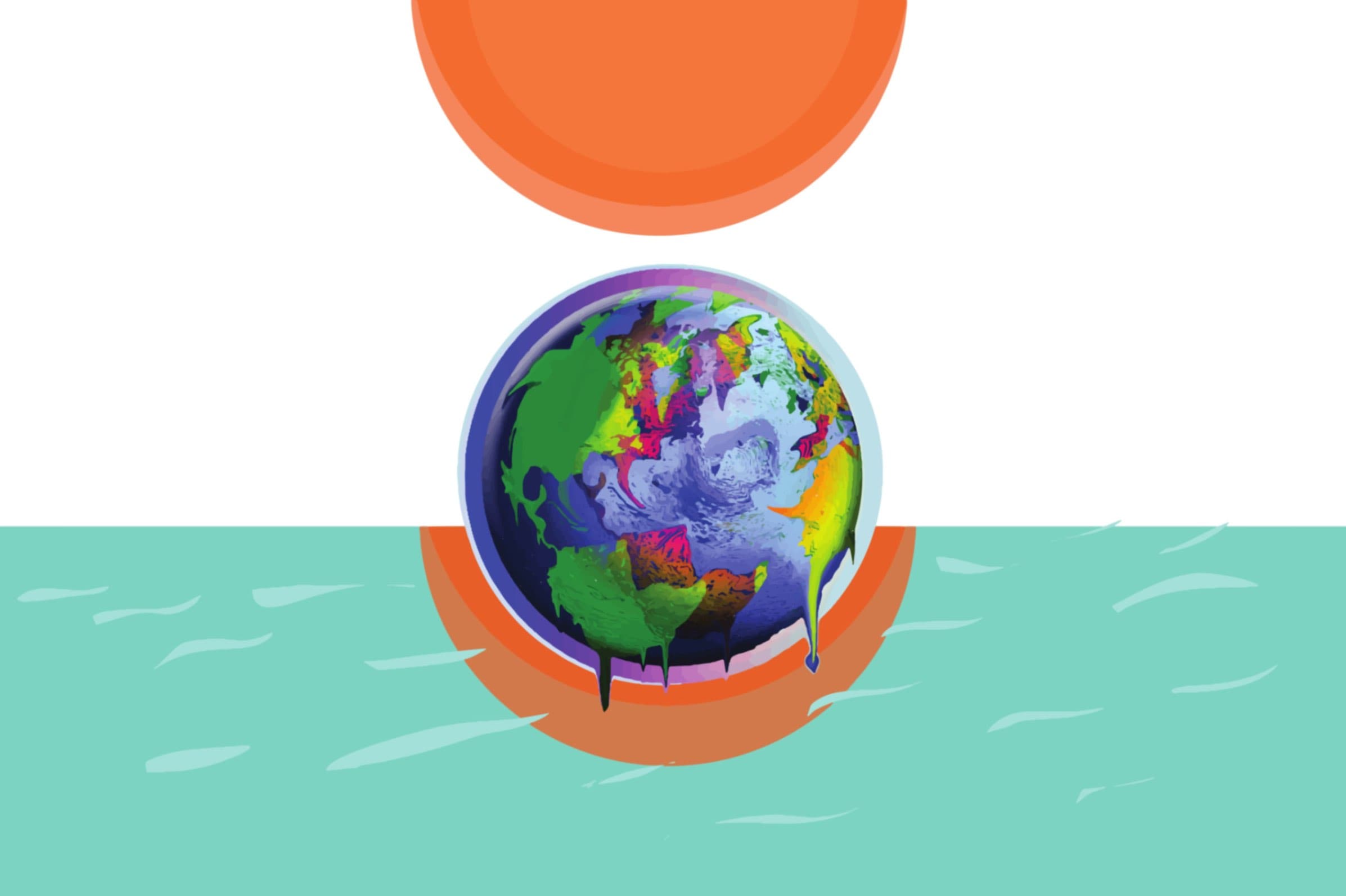
As the Arctic warms faster than any other region on Earth, one of its most iconic residents- the narwhal- is caught in a struggle for survival. Known as the “unicorn of the sea,” this elusive whale depends on sea ice for safety, hunting, and navigation. But the ice is vanishing, the waters are roaring with industrial noise, and new shipping routes are slicing through ancient migratory paths. Behind the shimmering image of the narwhal’s spiral tusk lies a stark reality: climate change and human expansion are rewriting the rhythms of the Arctic ecosystem. The question now is not whether we can save the narwhal- but whether we will act in time.
Climate Change Impacts and Conservation Challenges
Narwhals are highly specialized marine mammals whose survival is intricately tied to the Arctic environment. The ongoing effects of climate change pose a substantial threat to their habitat and feeding grounds. As Arctic sea ice continues to retreat at an accelerated pace, narwhals lose access to stable ice platforms used for protection against predators and for breathing during deep dives. The increasing variability in ice coverage leads to more frequent entrapment events, where narwhals become trapped between ice floes and suffocate due to lack of access to open breathing holes. These events are exacerbated by rapid temperature shifts and unstable weather patterns, both of which have intensified in recent decades due to global warming1.
This shifting climate also opens up previously inaccessible Arctic regions to human activity, including commercial shipping, oil and gas exploration, and fisheries. These developments introduce multiple stressors to narwhal populations. Increased marine traffic leads to a rise in underwater noise, which interferes with the narwhals' echolocation abilities and communication. Given their reliance on acoustic signals for navigation and hunting in deep, dark waters, noise pollution can disrupt feeding behavior and migration routes. Studies have shown that narwhals exhibit stress responses to even moderate underwater noise levels, such as increased heart rates and avoidance behavior, which can lead to habitat displacement and energy loss2.
Human Activity and Resource Extraction
The expansion of industrial activity in the Arctic, particularly in areas overlapping with critical narwhal habitat, poses additional conservation challenges. Oil and gas developments not only contribute to noise pollution but also increase the risk of oil spills, which can have devastating long-term effects on marine ecosystems. Although narwhals do not surface as frequently as other cetaceans, prolonged exposure to oil-contaminated waters can impact their skin, respiratory systems, and prey availability. Furthermore, the infrastructure required for resource extraction - such as pipelines, drilling platforms, and support vessels - adds physical barriers in the narwhals' migratory corridors3.
The Greenland halibut fishery, which overlaps with narwhal wintering grounds, is another significant concern. Trawling operations can degrade bottom habitats and reduce the availability of key prey species like halibut and Arctic cod. Narwhals have a relatively narrow diet and depend heavily on these cold-water species during the winter months when they increase their feeding activity. Bycatch and entanglement in gill nets also contribute to direct mortality. These pressures are difficult to quantify due to the challenges of monitoring narwhal populations in remote Arctic waters, but they warrant attention from conservation agencies and fisheries regulators4.
Traditional Knowledge and Indigenous Stewardship
Indigenous communities in the Arctic, particularly in Canada and Greenland, have long depended on narwhals for food, cultural practices, and economic resources. Narwhal hunting is regulated and typically done using traditional methods, with quotas set through co-management systems involving local hunters and federal agencies. These communities possess deep knowledge about narwhal behavior, migration patterns, and habitat use, which is valuable for shaping conservation strategies that are grounded in both ecological science and lived experience. Recognizing and integrating traditional ecological knowledge into policy decisions enhances the legitimacy and effectiveness of conservation programs5.
However, illegal trade of narwhal tusks, primarily for luxury and ornamental markets, continues to be a concern. Although annual quotas and export permits are managed under the Convention on International Trade in Endangered Species (CITES), an estimated 200 tusks are still exported illegally each year. This activity undermines conservation efforts and places additional pressure on narwhal populations. Strengthening monitoring and enforcement mechanisms, while supporting sustainable livelihoods for Indigenous harvesters, is essential for maintaining both cultural practices and ecological integrity6.
Monitoring, Research, and Management Strategies
A significant barrier to effective narwhal conservation is the lack of comprehensive data on population size, reproductive rates, and long-term trends. Due to the narwhal's remote habitat and elusive behavior, regular surveys are logistically challenging and expensive. However, advancements in satellite telemetry and acoustic monitoring have improved our ability to track narwhal movements and habitat use. These technologies allow researchers to identify critical areas for feeding, calving, and migration, which can then be prioritized for protection through marine spatial planning and regulatory measures7.
For public administrators and environmental planners, incorporating narwhal conservation into broader Arctic management frameworks is increasingly important. Protected areas, such as marine conservation zones and no-trawl corridors, can mitigate some of the risks from industrial activity. Additionally, climate adaptation strategies that assess regional vulnerability and promote ecosystem resilience can help buffer narwhal populations from the worst effects of environmental change. Collaborating with federal agencies, Indigenous governments, and international bodies is essential for coordinating these conservation measures across the narwhal's transboundary range8.
Policy Recommendations for Local and Regional Agencies
From a practitioner standpoint, there are several actionable steps that local and regional governments can take to support narwhal conservation. First, integrating environmental impact assessments into all Arctic development projects should be a standard requirement. These assessments must consider cumulative impacts on narwhal habitats, including noise, pollution, and prey depletion. Second, governments can advocate for the designation of critical habitat areas based on scientific and traditional knowledge, ensuring that these zones are protected from industrial encroachment and excessive marine traffic9.
Public agencies can also support conservation through data sharing and funding partnerships with academic institutions and Indigenous organizations. Investing in community-based monitoring programs builds local capacity and ensures that conservation initiatives are grounded in the realities of Arctic life. Finally, raising public awareness about the ecological and cultural importance of narwhals can help build support for conservation policies. Educational outreach, museum exhibits, and cooperative agreements with schools and universities can all contribute to a more informed public and a stronger commitment to protecting Arctic biodiversity10.
Bibliography
Laidre, Kristin L., et al. "Quantifying the sensitivity of Arctic marine mammals to climate-induced habitat change." Ecological Applications 18, no. 2 (2008): S97-S125.
Blackwell, Susanna B., et al. "Effects of airgun sounds on bowhead whale calling rates: evidence for two behavioral thresholds." PLOS ONE 10, no. 6 (2015): e0125720.
Huntington, Henry P. "Oil development in Arctic Alaska: a review of threats to wildlife." Wildlife Society Bulletin 29, no. 2 (2001): 414-429.
DFO. "Assessment of Narwhal (Monodon monoceros) in the Eastern Canadian Arctic." Canadian Science Advisory Secretariat Science Advisory Report 2017/046. Fisheries and Oceans Canada, 2017.
Freeman, Milton M.R., and Louise Carbyn. "Traditional knowledge and renewable resource management in northern regions." IUCN Commission on Ecology Paper No. 11, 1988.
CITES. "Illegal trade in narwhals: CITES Response and Actions." Convention on International Trade in Endangered Species of Wild Fauna and Flora, 2020.
Heide-Jørgensen, Mads Peter, et al. "Movements and diving of narwhals (Monodon monoceros) from Admiralty Inlet, Canada." Marine Biology 167, no. 7 (2020): 1-13.
Arctic Council. "Arctic Marine Strategic Plan 2015-2025." Protection of the Arctic Marine Environment (PAME), 2015.
Government of Canada. "Arctic Policy Framework: A Shared Vision for the North." Crown-Indigenous Relations and Northern Affairs Canada, 2019.
NOAA. "Narwhal (Monodon monoceros): Western North Atlantic Stock." NOAA Fisheries Stock Assessment Reports, 2022.
More from Conservation and the Environment
Explore related articles on similar topics