Why the Smartest Schools Look Nothing Like Schools Anymore
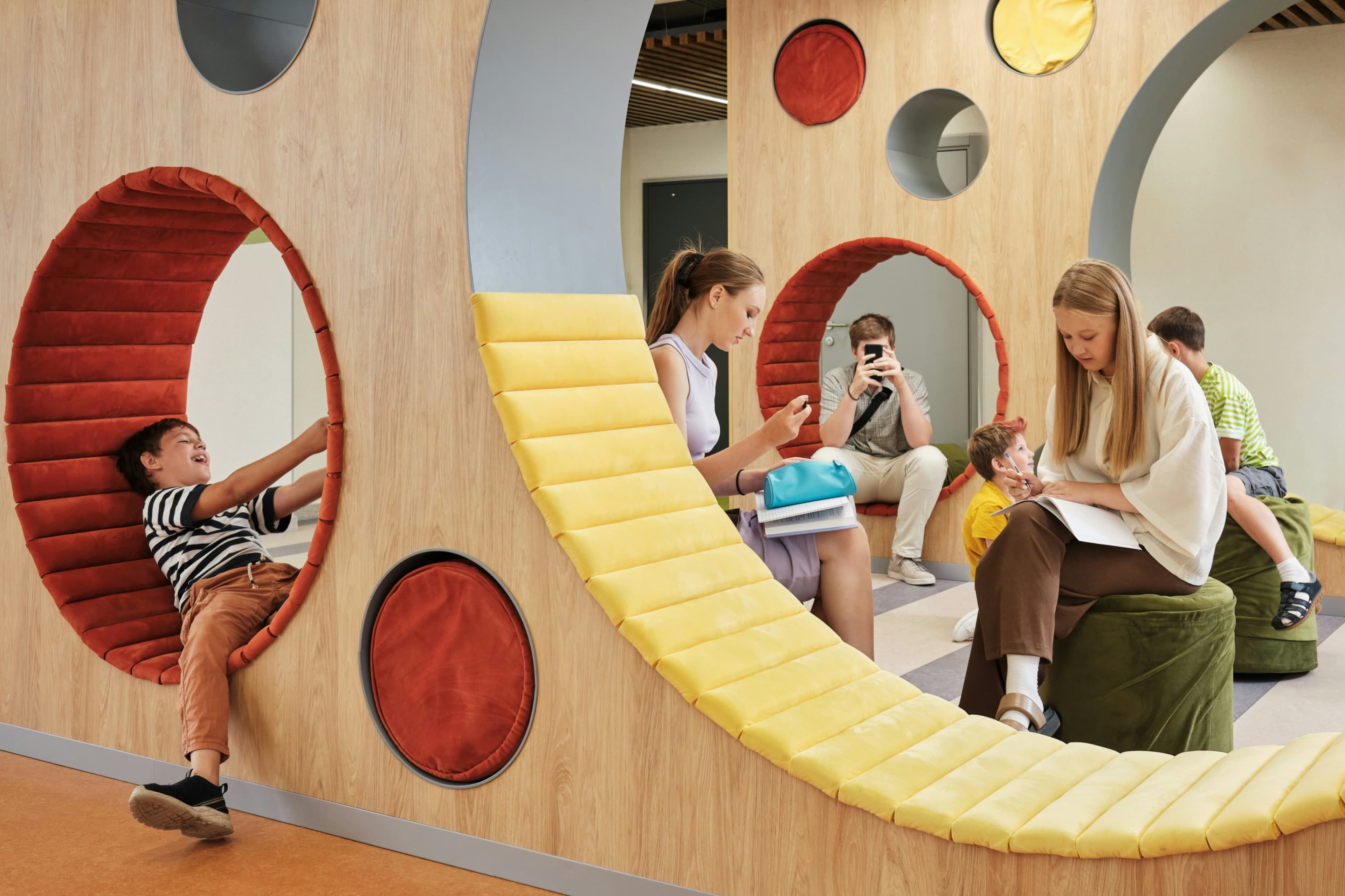
The bell rings, but instead of shuffling into separate boxes labeled “math,” “art,” or “PE,” imagine students stepping into a studio-lab-gym hybrid-where sketching a bridge leads to calculating its load, and a pickup basketball game becomes a lesson in physics, teamwork, and strategy. That’s not a futuristic fantasy. It’s what education starts to look like when we stop treating disciplines like strangers and start letting them collaborate.
Why Blending Arts and Sciences Works
When students move fluidly between disciplines, something clicks. The arts don’t just “decorate” learning—they sharpen it. Drawing strengthens spatial reasoning. Music trains pattern recognition. Theater builds empathy and communication. These are the same mental muscles scientists and engineers rely on every day.
Research consistently shows that students engaged in both arts and sciences perform better academically and socially. They’re more likely to stay curious, take intellectual risks, and connect ideas across contexts (Winner, Goldstein, and Vincent-Lancrin 2013). That’s the DNA of innovation.
A simple classroom shift illustrates this: instead of teaching geometry and design separately, students might design a tiny home—calculating area, budgeting materials, and presenting a visual concept. Suddenly, math isn’t abstract; it’s alive.
The Overlooked Power of Movement
Now add motion to the mix.
Physical education is often the first thing cut and the last thing reconsidered—but it might be one of the most powerful cognitive tools we have. Regular movement improves memory, attention, and mood. It literally changes brain function by increasing blood flow and supporting neural growth (Hillman, Erickson, and Kramer 2008).
More importantly, it builds habits that last:
Teamwork under pressure.
Resilience after failure.
Leadership in real time.
Schools that embed movement into the day—short activity breaks, active lessons, daily PE—don’t lose instructional time; they gain sharper, more focused learners (Fedewa and Ahn 2011).
What Gets in the Way- and How to Move Past It
The biggest obstacle isn’t a lack of evidence. It’s structure. Schools are still organized like factories: subjects separated, schedules rigid, teachers siloed.
But that rigidity is also the opportunity.
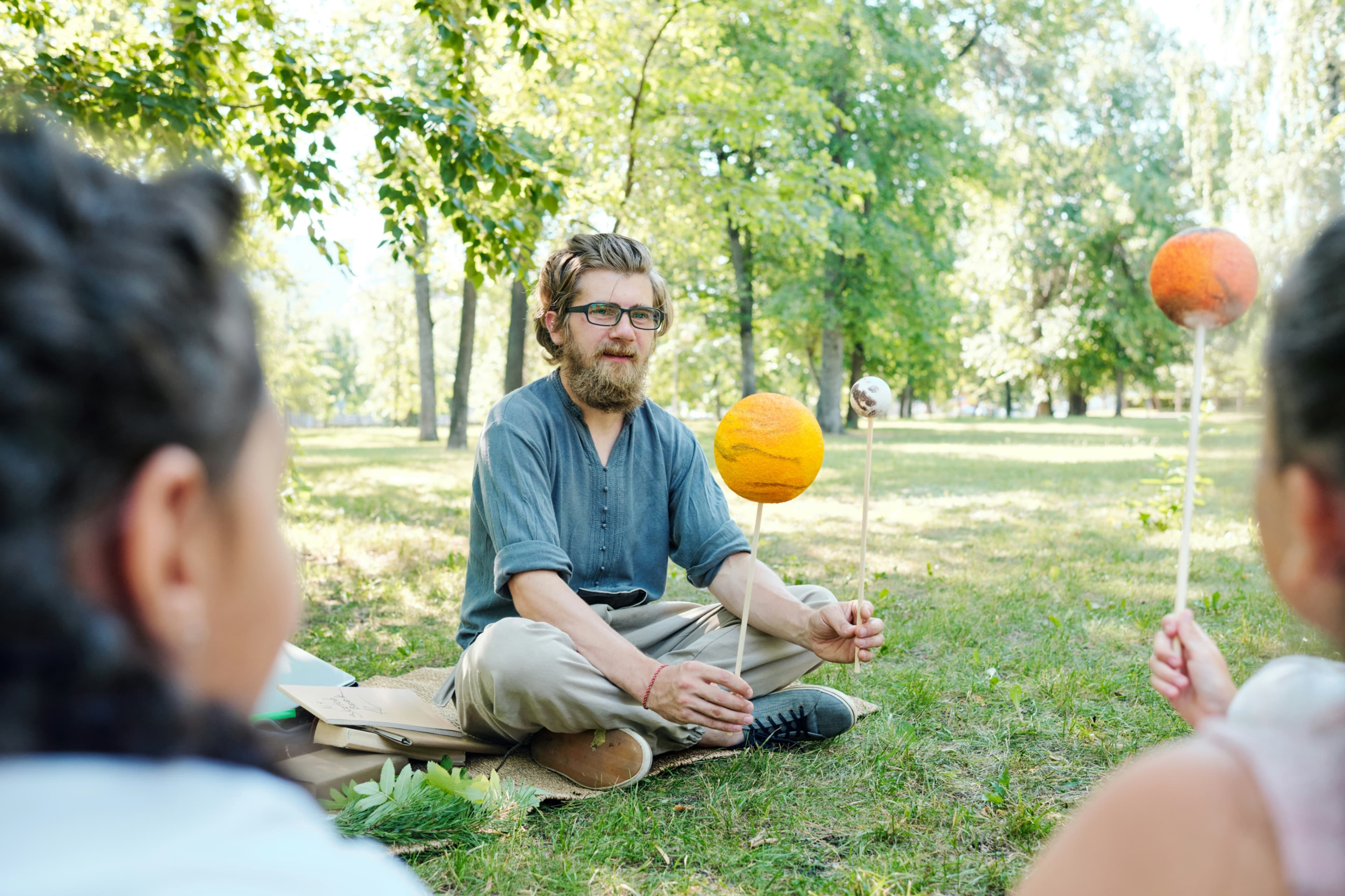
Forward-thinking schools are redesigning learning around projects, not periods. Students tackle real-world problems—designing sustainable parks, building community health campaigns, or launching mini-businesses—pulling from science, art, and physical engagement all at once.
To make this work:
Teachers collaborate across subjects, not just across hallways.
Schedules allow longer, flexible blocks for deeper work.
Assessment focuses on application, not just memorization.
This isn’t about adding more—it’s about connecting what’s already there.
What Leaders and Policymakers Can Do Right Now
System-level change doesn’t have to be slow or abstract. It can start with practical moves:
Fund arts and physical education as core, not optional.
Incentivize interdisciplinary teaching and shared planning time.
Partner with local organizations—museums, studios, sports clubs—to extend learning beyond school walls.
Invest in teacher training that prepares educators to teach across disciplines, not just within them.
Communities that do this well don’t just build better students—they build stronger local ecosystems of creativity and collaboration.
Where This Is Headed
The workforce students are entering doesn’t care about subject boundaries. It rewards people who can think across them. The engineer who sketches. The designer who codes. The leader who understands both data and human behavior.
Education needs to reflect that reality.
Schools that embrace integrated learning aren’t just improving test scores—they’re producing adaptable thinkers who can navigate complexity without waiting for instructions.
The Real Shift
This isn’t about squeezing art into STEM or adding a few extra gym classes. It’s about rethinking what it means to learn.
When students create, move, calculate, and collaborate in the same breath, learning stops being a checklist—and starts becoming a lived experience.
So here’s the question that matters: if your current system disappeared tomorrow, would you rebuild it the same way?
Because you don’t have to wait for a full overhaul to start. One interdisciplinary project. One partnership. One schedule change. That’s how it begins.
The next move is yours.
References
Bequette, James W., and Mary M. Bequette. “A Place for Art and Design Education in the STEM Conversation.” Art Education 65, no. 2 (2012): 40–47.
Drake, Susan M., and Rebecca C. Burns. Meeting Standards Through Integrated Curriculum.Alexandria, VA: ASCD, 2004.
Fedewa, Alicia L., and Soyeon Ahn. “The Effects of Physical Activity and Physical Fitness on Children’s Achievement and Cognitive Outcomes: A Meta-analysis.” Research Quarterly for Exercise and Sport 82, no. 3 (2011): 521–535.
Gullatt, David E. “Research Links the Arts with Student Academic Gains.” The Educational Forum 72, no. 3 (2008): 211–220.
Hillman, Charles H., Kirk I. Erickson, and Arthur F. Kramer. “Be Smart, Exercise Your Heart: Exercise Effects on Brain and Cognition.” Nature Reviews Neuroscience 9, no. 1 (2008): 58–65.
Winner, Ellen, Thalia R. Goldstein, and Stéphan Vincent-Lancrin. Art for Art’s Sake? The Impact of Arts Education. Paris: OECD Publishing, 2013.
More from Education
Explore related articles on similar topics