The Classroom Game-Changer Hiding in Plain Sight: Morning Circles
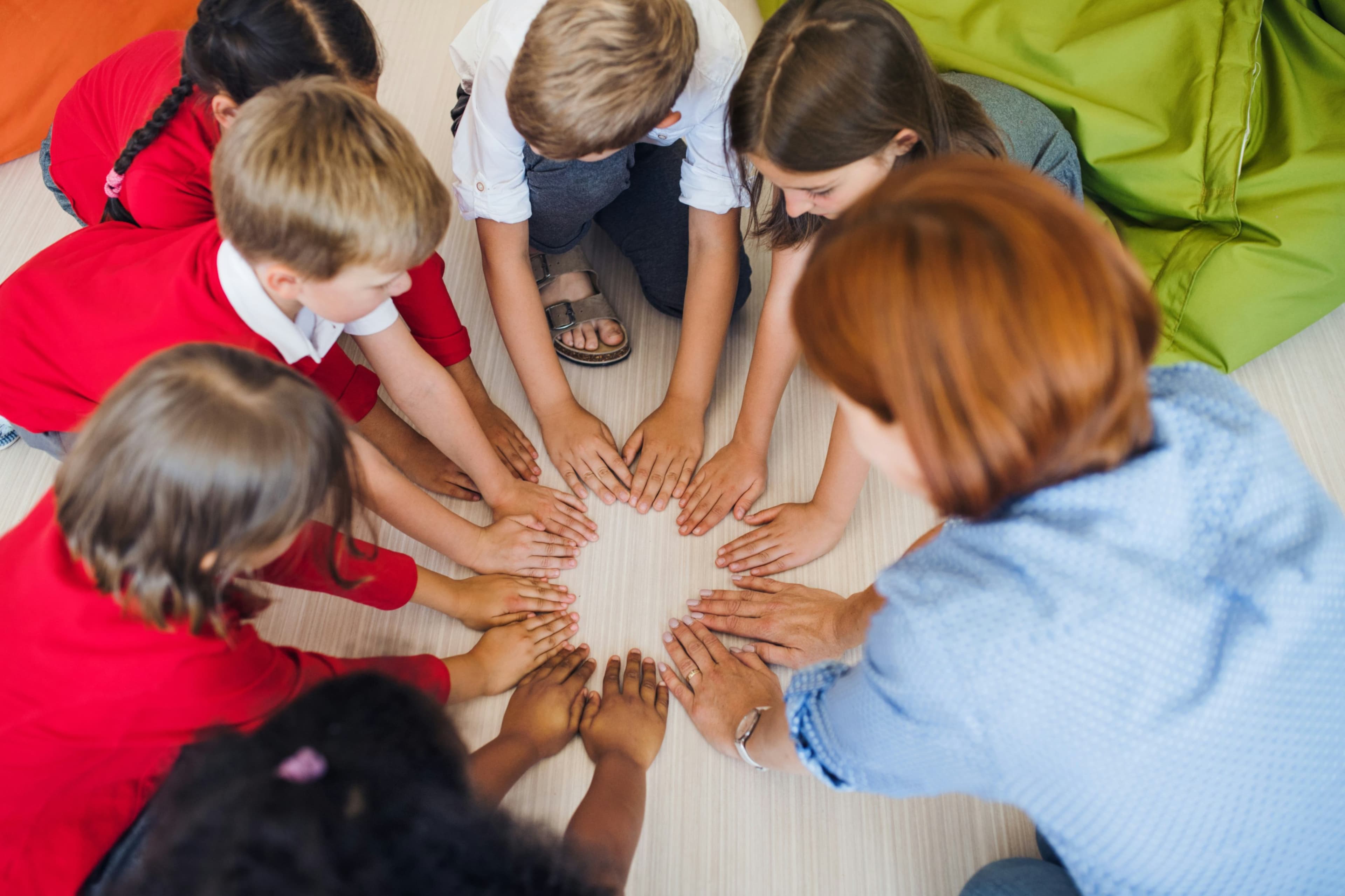
It’s 8:05 a.m. The bell rings, backpacks drop, and instead of diving straight into worksheets, a class forms a circle. One student shares a small win (“I finally nailed my free throw”), another admits a worry (“I’m nervous about my test”), and a third simply says, “I’m tired today.” In ten minutes, something subtle but powerful has shifted: the room feels human again- and suddenly, learning has somewhere to land.
Enhancing Student Engagement and Participation: Why the Circle Works
Morning circles aren’t just a feel-good ritual—they’re a quiet engine for engagement. When every student gets a voice (even briefly), participation stops being optional and starts becoming a habit.
Think of it like a daily “warm-up rep” for speaking and listening. Over time:
Students who rarely raise their hands begin contributing without prompting.
Class discussions feel less like performances and more like conversations.
Teachers get a real-time pulse on who’s energized, distracted, or struggling.
Research backs this up: classrooms that incorporate structured sharing routines see measurable gains in participation and social interaction (Journal of Classroom Interaction 2020). And teachers often catch early signals—withdrawal, anxiety, excitement—that would otherwise slip by.
Practical move: Use a simple prompt rotation—“Rose (something good), Thorn (a challenge), Bud (something you’re looking forward to)”—to keep sharing structured but fresh.
Promoting Emotional Well-being and Resilience: Small Shares, Big Impact
In a world where students carry more than just textbooks—stress, social pressure, uncertainty—morning circles offer a rare, consistent release valve.
When students hear, “You’re not the only one,” something important happens:
Empathy grows naturally, not as a lesson but as a lived experience.
Isolation shrinks, especially in larger or more diverse classrooms.
Emotional vocabulary expands (“frustrated,” “overwhelmed,” “hopeful”).
CASEL highlights that these social-emotional routines significantly support mental health and academic readiness (CASEL 2019). And resilience? It’s built in moments like these—when students name a challenge, hear how others navigate theirs, and realize setbacks aren’t endpoints.
Practical move: Normalize “pass” as an option—but invite participation through low-risk formats like thumbs-up check-ins or one-word responses.
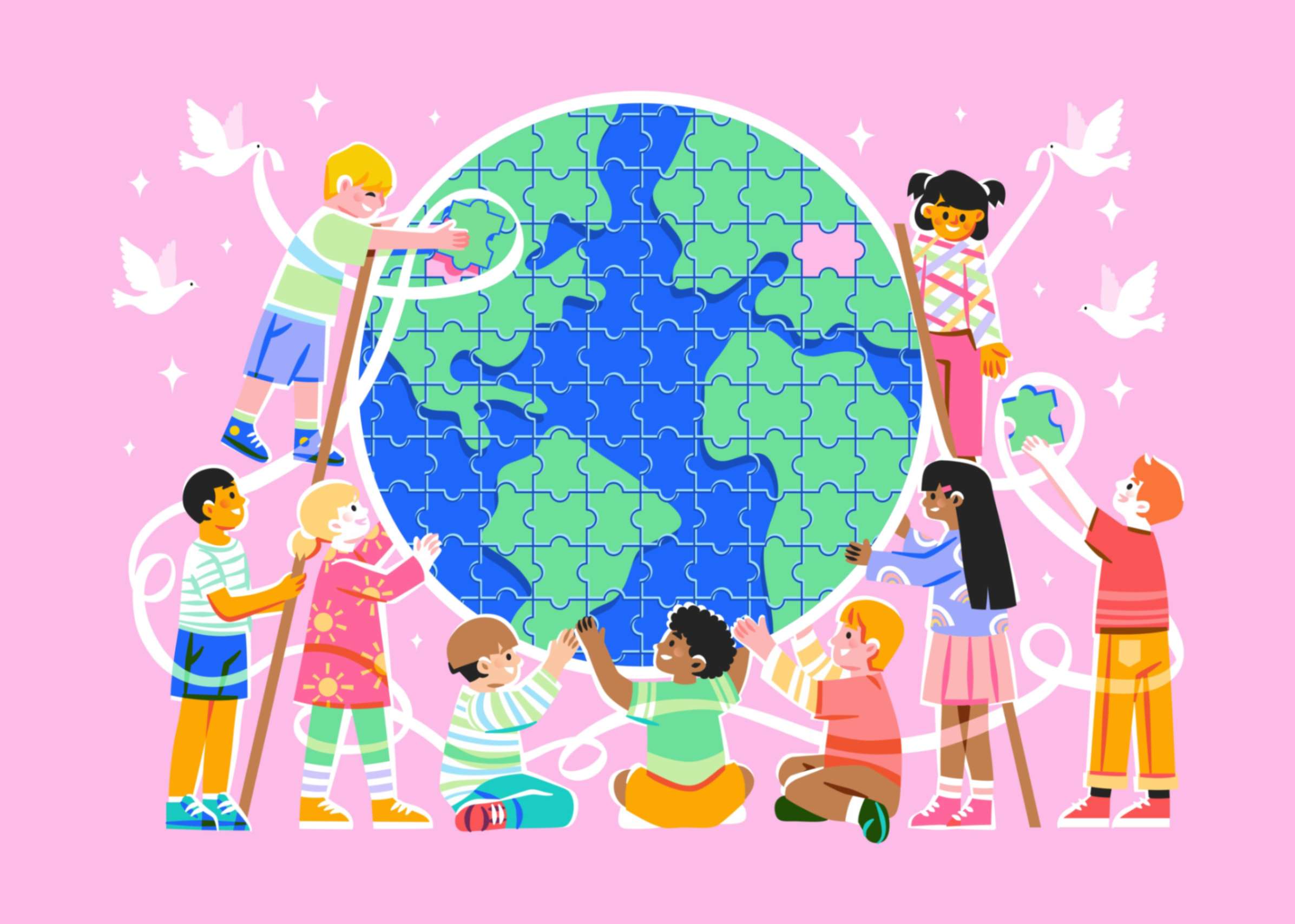
Fostering a Collaborative Classroom: From “Me” to “We”
Circles flatten the room. No front, no back—just a shared space. That subtle shift changes how students relate to one another.
Over time, you’ll notice:
Group work becomes smoother because trust already exists.
Students reference each other’s ideas (“Like Maya said this morning…”).
Differences—cultural, social, academic—become assets rather than barriers.
Research in the International Journal of Educational Research shows collaborative classrooms drive higher satisfaction and achievement (2022). Morning circles act as the daily glue that makes collaboration stick.
Practical move: Occasionally pose a collective question—“What’s one way we can make group work better this week?”—and implement one student-suggested idea within 48 hours.
Improving Communication Skills: Practice Without Pressure
Public speaking usually feels high-stakes. Morning circles flip that script: low stakes, high frequency.
Students practice:
Speaking clearly and concisely.
Listening without interrupting.
Responding thoughtfully rather than reactively.
And here’s the kicker—these skills transfer. Students who routinely share in circles tend to perform better in presentations, interviews, and even conflict resolution (Brown 2019).
Practical move: Introduce “echoing”—after one student shares, another briefly paraphrases what they heard. It sharpens listening and builds respect.
Building a Sense of Community: The Invisible Advantage
You can feel the difference in a classroom with strong community. It’s quieter—but not because students are disengaged. It’s focused, respectful, and alive.
When students feel they belong:
Behavioral issues drop because peer norms reinforce expectations.
Participation rises because it feels safe to try—and fail.
Motivation improves because students don’t want to let the group down.
Community isn’t built in assemblies or posters—it’s built in daily, predictable moments like the morning circle (Johnson 2017).
Practical move: Celebrate micro-wins publicly—effort, kindness, improvement—not just high grades.
Making It Work in Real Classrooms
For leaders and educators juggling packed schedules, here’s the reality: morning circles don’t need to be long or elaborate to be effective.
Start simple:
5–10 minutes, consistent time each day.
Clear norms: listen, respect, no cross-talk.
Rotate formats: open share, prompts, quick games, peer appreciations.
For new educators: think of it as an investment that pays back time. Fewer disruptions, smoother transitions, stronger relationships.
For leaders: model it in staff meetings. Culture scales when adults experience it too.
The Lasting Impact: More Than a Morning Routine
Morning circles aren’t just about starting the day—they’re about shaping how students show up in it. They build communicators, collaborators, and resilient thinkers—skills that outlast any single lesson plan.
So tomorrow morning, instead of asking, “How do I get through the curriculum?” try a different question:
What could happen if every student felt seen before the first lesson even begins?
Then test it. Pull the chairs into a circle. Ask one question. Listen closely.
The results won’t stay in the circle—they’ll ripple through everything that follows.
References
Brown, Emily. 2019. “Enhancing Communication Skills in Students: Insights from Classroom Practices.” Communication Education.
Collaborative for Academic, Social, and Emotional Learning (CASEL). 2019. Social and Emotional Learning: A Framework for Success.
International Journal of Educational Research. 2022. “Collaboration in the Classroom: Benefits and Strategies.”
Journal of Classroom Interaction. 2020. “The Impact of Morning Circles on Student Participation and Interaction.”
Johnson, David. 2017. “Creating a Sense of Community in the Classroom.” Journal of Community Education.
Smith, Jane. 2018. “Building Resilience in Students through Classroom Practices.” Journal of Educational Research.
Author, John. 2021. “Classroom Dynamics and Student Engagement: The Role of Morning Circles.” Educational Psychology Review.
Author, Maria. 2020. “Cross-Cultural Interactions in Education: The Role of Morning Circles.” Global Education Review.
Educational Studies Journal. 2021. “The Impact of Regular Discussion Practices on Student Communication Skills.”
Behavioral Psychology in Education. 2018. “Peer Influence and Classroom Behavior Management.”
More from Education
Explore related articles on similar topics