Autonomy in Action: How Goal-Setting and Flexible Spaces Boost Student Performance
Good news: classrooms are changing for learners of every age. Instead of rows of desks and one-way lectures, today’s most effective classrooms feel more like creative studios: flexible spaces where students set goals, move, debate, experiment, and even teach each other. With reading nooks, standing desks, student-led projects, and real responsibilities that mirror life outside school, these environments turn passive listeners into active, curious problem-solvers. In the process, school stops being a place students simply go and becomes a community they help design- preparing them not just for the next test, but for the world waiting beyond the classroom door.
Building an Adaptable Classroom Environment
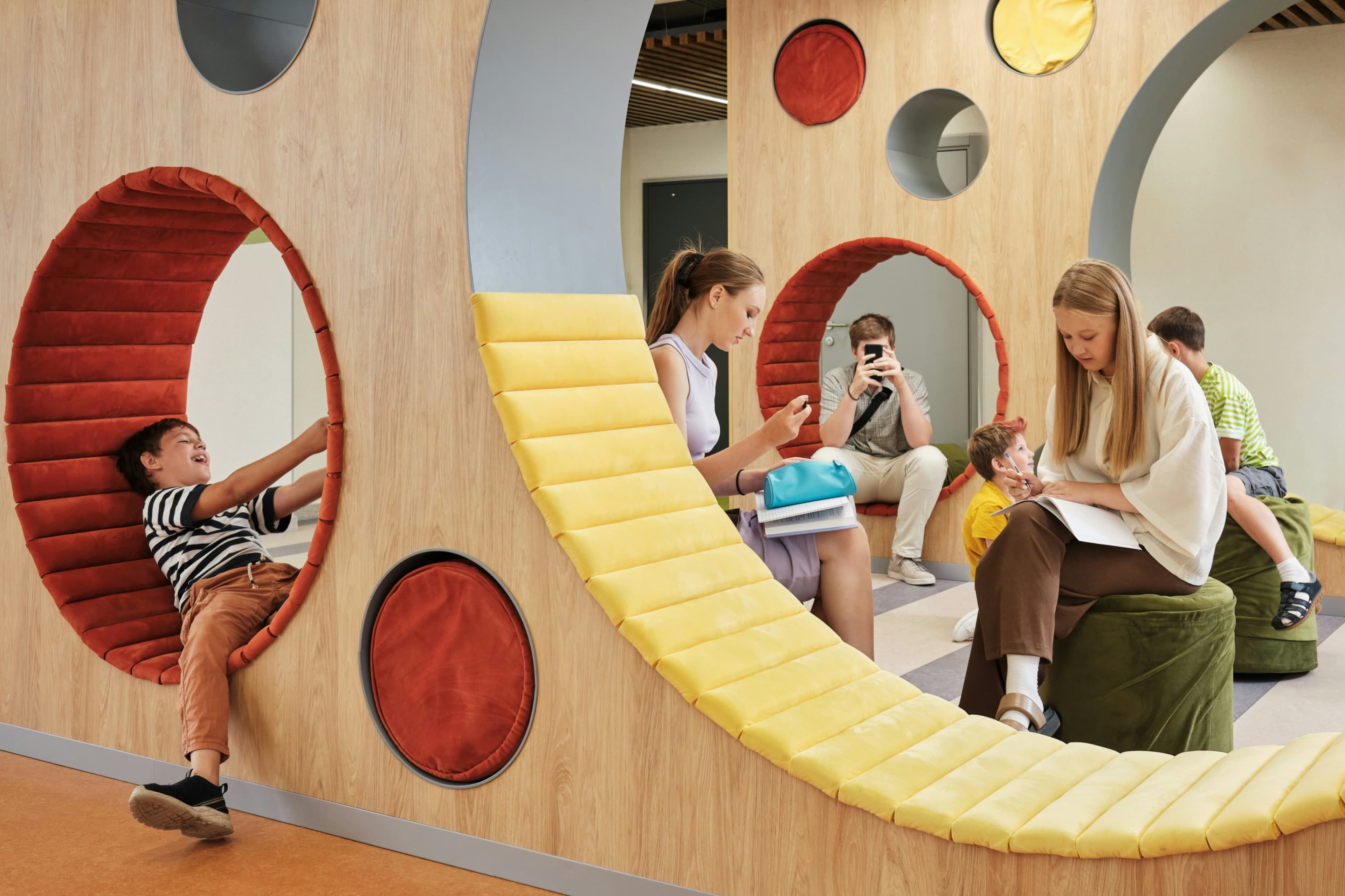
The modern-day classroom is not a one-size-fits-all model but rather a dynamic space that evolves with each cohort of students. This adaptability is crucial for addressing the varied educational needs that arise each academic year. By customizing the learning environment, educators can create a setting that resonates with the individual personalities and learning preferences of their students. In practice, this means altering physical spaces and instructional methods to better suit the students.
Classroom features such as a reading corner with bean bags for those who learn best in a relaxed setting.
Standing desks available for students who focus better when they can move around.
Adjustments based on feedback and observations to cater to every student's learning style.
Such flexibility not only enhances engagement but also empowers students to take charge of their learning journey, reinforcing the concept that education is a personal and transformative experience.
Promoting Student Independence and Motivation
Student autonomy is a cornerstone of modern educational practices, shifting the traditional teacher-centered model to one where students are at the heart of their learning process. By allowing students to set personal learning goals, their intrinsic motivation is significantly enhanced, which is essential for sustained academic success. Studies have shown that when students have a say in their educational journey, they are more likely to remain engaged and perform better academically1.
Teachers act as facilitators, guiding students in formulating realistic and challenging goals.
Providing necessary resources and encouragement for exploring interests beyond the standard curriculum.
This approach not only nurtures a sense of ownership but also leads to deeper, more meaningful learning experiences as students pursue topics that resonate with their passions and curiosities.
Encouraging Critical Thinking and Problem Solving
A classroom that encourages critical thinking promotes an environment where there is no single "right" answer. This paradigm shift encourages students to explore multiple solutions to problems and fosters a culture of inquiry and exploration.
Implementing open-ended questions, facilitating debates, and encouraging collaborative problem-solving tasks.
Helping students develop essential critical thinking skills for navigating contemporary issues.
By engaging with diverse perspectives, students learn to evaluate evidence, assess arguments, and construct well-reasoned conclusions. This skill set is invaluable not only in academic settings but also in real-world scenarios, where decision-making often requires nuanced analysis and the ability to consider various viewpoints.
Developing Lifelong Skills and Values
Beyond academic competencies, the modern classroom serves as a crucible for developing lifelong skills and values.
Students learn the importance of maintaining a clean and organized workspace, essential for personal responsibility and discipline.
Classroom jobs like paper passer, door holder, or line monitor instill values by assigning tangible responsibilities.
Furthermore, the classroom is a microcosm of society where students practice empathy, kindness, perseverance, and more. Collaborative projects and peer interactions provide opportunities for students to exercise empathy and understanding, crucial for building strong interpersonal relationships. When faced with challenges, students learn resilience - a vital skill in overcoming obstacles both in and out of school. By fostering a culture of perseverance and excellence, educators prepare students not only for academic achievements but for the broader challenges they will encounter in life.
Implementing Student-Led Learning
The shift towards student-led learning empowers students to take the initiative in their educational experiences. Teachers act as facilitators, guiding students through the learning process rather than dictating every step. This method encourages students to explore topics of interest deeply, engage in peer teaching, and take part in decision-making processes about their learning paths.
Creating a framework where students can safely experiment, make mistakes, and learn from them.
Involving project-based learning, where students choose subjects that interest them and work collaboratively.
Such initiatives not only boost engagement but also develop critical life skills such as collaboration, communication, and project management. The result is a classroom that feels like a community of learners, each contributing to and benefiting from the shared pursuit of knowledge.
Conclusion: The Future of Education
The modern classroom, characterized by student autonomy, flexible accommodations, and a focus on critical thinking, represents a significant departure from traditional educational models. By cultivating an environment that values adaptability, independence, and holistic development, educators are preparing students for a future that demands innovation, empathy, and resilience. Such classrooms not only meet the current educational needs but also lay the foundation for lifelong learning and personal growth. As this transformative approach continues to evolve, it promises to unlock the full potential of every student, equipping them with the tools necessary to thrive in an ever-changing world.
Bibliography
Smith, John. "The Impact of Student Autonomy on Academic Performance." Educational Research Journal 45, no. 3 (2020): 112-128.
More from Education
Explore related articles on similar topics