Standing Together: The Unspoken Bond at a Fallen Officer’s Funeral
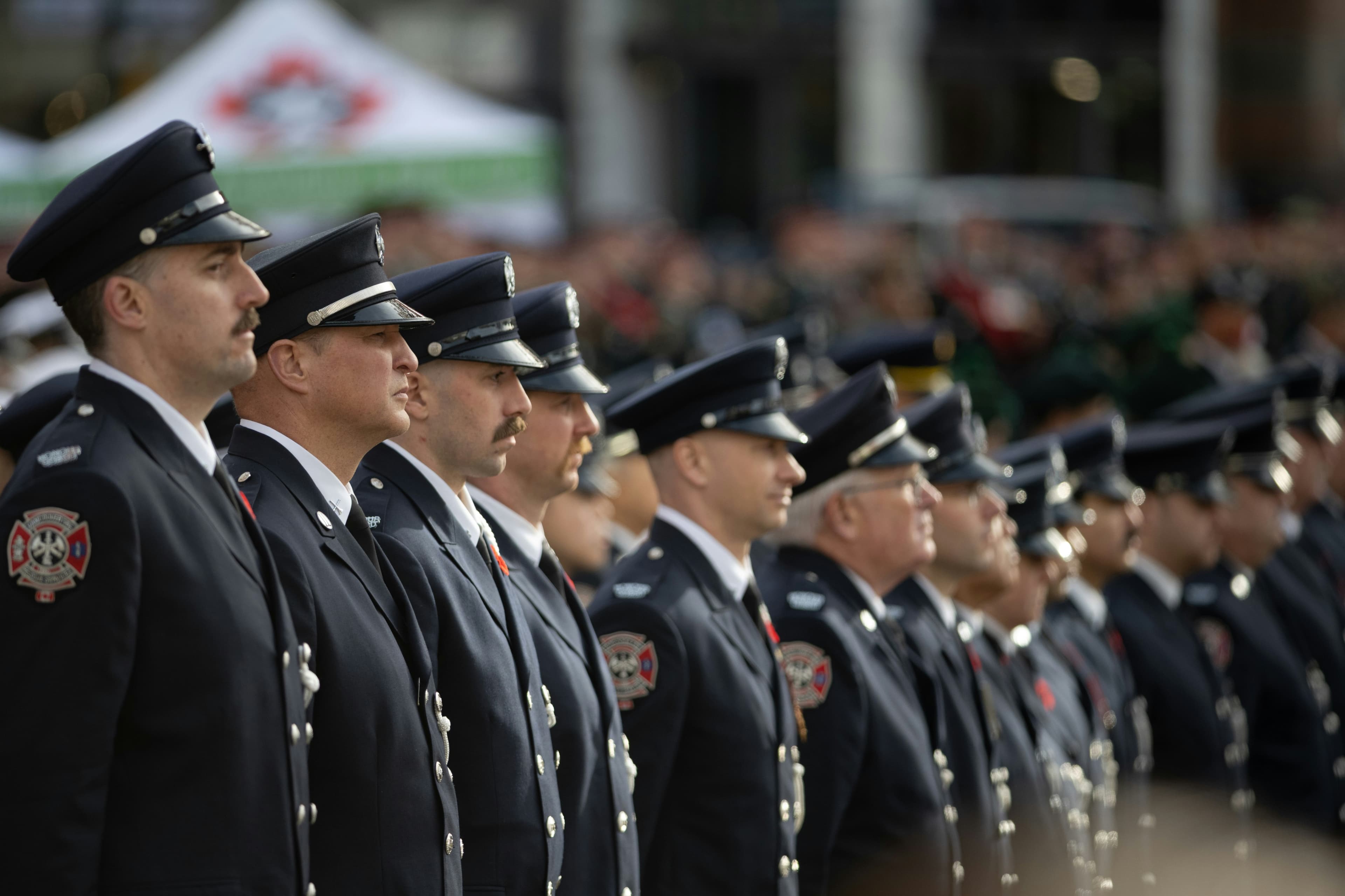
Attending the funeral of an officer who wore the same uniform, who lived by the same morals, the same ethics, and accepted the same risks, can feel like an out-of-body experience. They stood the same or similar posts, answered the same calls, and went home to a family who loved them just as deeply as our families love us. The weight of that shared identity settles heavily in the silence between salutes and the echo of bagpipes.
When law enforcement gathers to honor one of our own - whether lost to violence, illness, age, or suicide - there are moments that outsiders sometimes misunderstand. We find each other. We shake hands, trade nods, even share brief smiles. We run into people we haven’t seen since the Academy, field training, or some long-forgotten assignment. Those small interactions say what words don’t: You’re still here. I’m glad you’re okay.
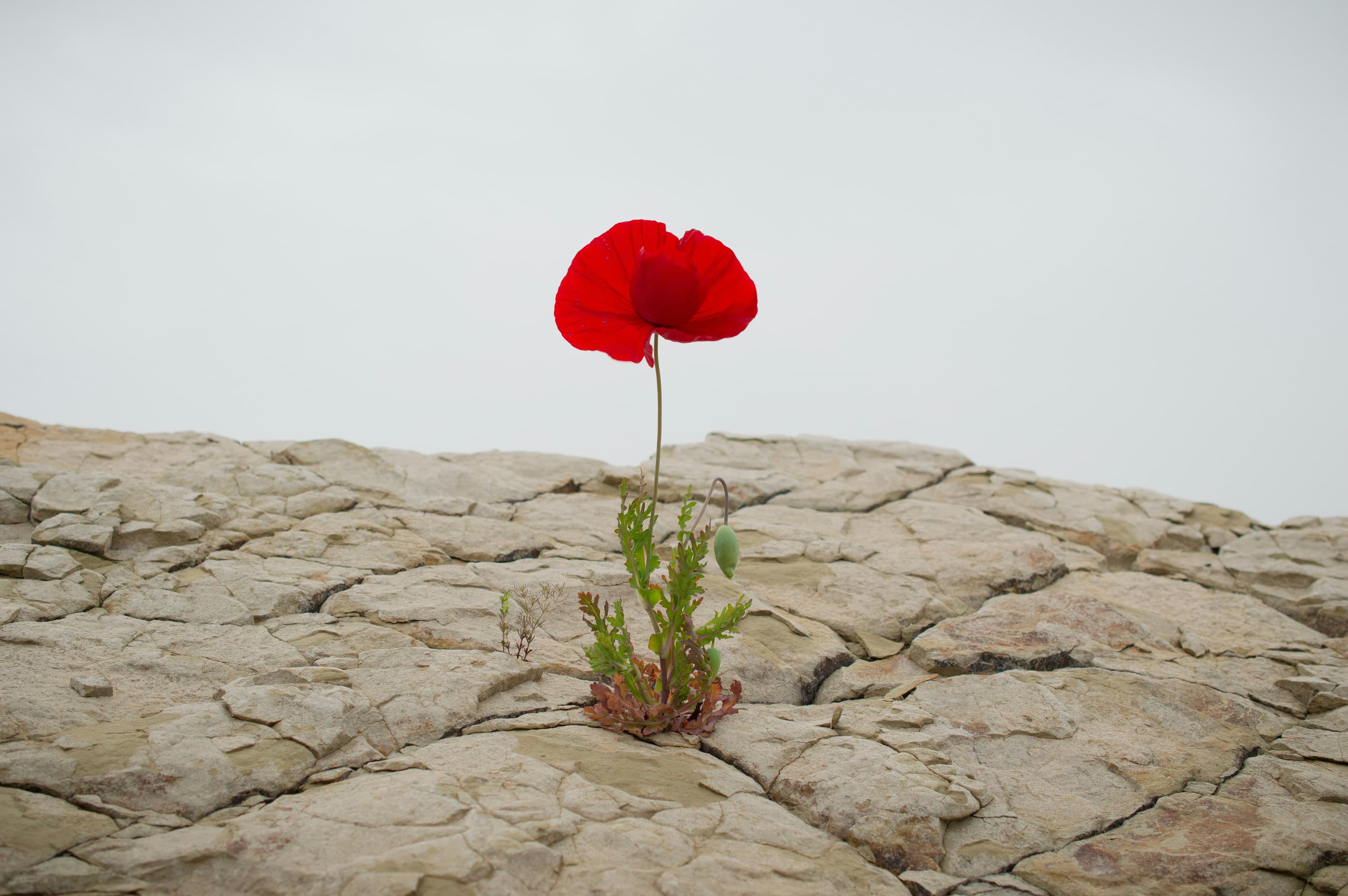
Those moments matter. They’re part of how we survive these days. They are quiet lifelines in a world that often feels like it’s unraveling. Each handshake, each nod across the aisle or street, is a defiant act of resilience in the face of grief. In those brief exchanges, we recognize the toll the job takes - and the courage it demands to keep showing up. They’re reminders that behind the badge and uniform are human beings doing their best to carry the weight of what they’ve seen and endured.
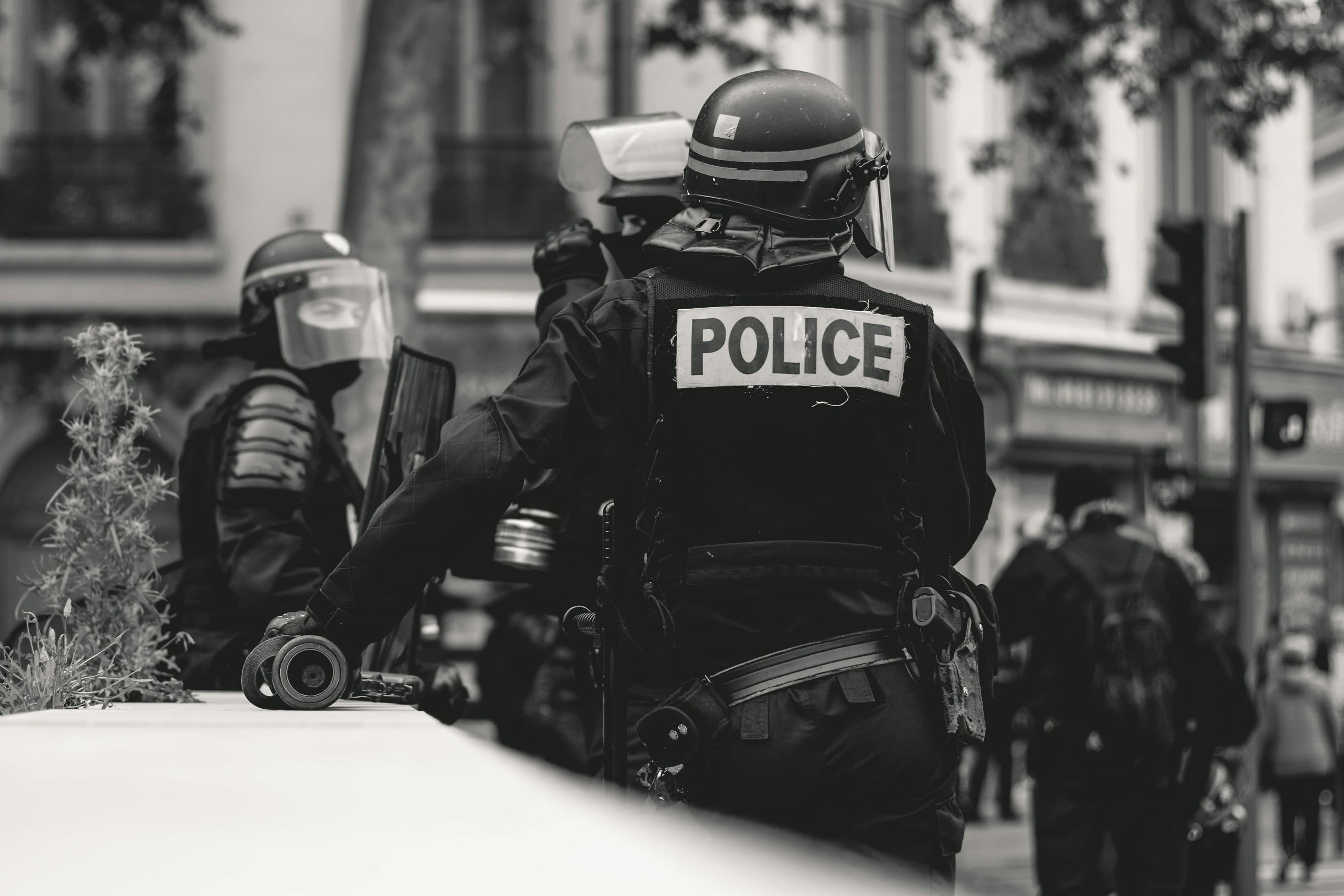
We scan our area, whether we’re inside or outside - rows of uniforms stretching as far as we can see - looking for familiar faces. Partners, supervisors, officers we’ve been in it with. People we’ve trusted in bad situations. There’s comfort in that silent acknowledgment, in knowing we’re not alone in the weight we’re carrying. In those uniforms and stoic stares, we see battle-worn souls, each bearing scars that don’t always show, each carrying stories that never get told and never get old. The shared glance across a crowded gathering is a subtle but powerful affirmation: I see you. I know what this costs.
As the service moves closer to the final salute, the mood changes. The reality settles in. You can see it in every face. The eyes don’t lie. The loss becomes personal. Every officer, at some point, has the same thought: This could be me. That thought, though often buried beneath layers of training and emotional armor, rises to the surface with an undeniable clarity. It's a stark confrontation with mortality, and a reminder of the fragility that underlies even the strongest exterior.
It’s a truth we spend our careers pushing aside. The job trains us to compartmentalize, to stay focused, to keep moving. But days like this cut through all of that. The armor cracks, just for a moment, and the vulnerability underneath is raw and undeniable. And in that moment, it's okay to feel it - the sorrow, the fear, the grief. Suppressing it doesn’t make it go away. Acknowledging it is part of the healing. It's part of what makes us human, even as we continue to wear the badge.
This is where the profession shows what it really is - a dysfunctional family that still shows up when it counts. Despite the internal friction, the complaints that go nowhere, the times we get short with each other, we know the truth: when things go bad, we stand together. We gather not just to mourn, but to reaffirm a pact forged in risk, sacrifice, and unspoken loyalty. That brotherhood and sisterhood is not perfect, but it is enduring. It is what gives meaning to the chaos, and purpose to the pain.
We are one of the few professions that goes to work armed, fully aware that we may not come home. We accept that risk, knowing exactly what it would mean for our families, so that strangers can be protected and communities can be safe. And we do it again and again, not because we are fearless, but because we are driven by a purpose that outweighs the fear. That purpose is rooted not just in duty, but in compassion - for victims, for justice, for the chance to make even a small difference in the lives of others.
And on days like this, standing shoulder to shoulder, we’re reminded that while the job may take one of us, it never takes us apart. In that unity, in that shared burden, there is strength. There is healing. And there is a vow that echoes louder than taps: We will carry on. We will honor the fallen not just in ceremony, but in how we live, how we serve, and how we stand for each other in the darkest of hours. The grief may be individual, but the resolve is collective. And in that collective strength, there is hope - not just for survival, but for wellness, for connection, and for a path forward in the face of unimaginable loss.