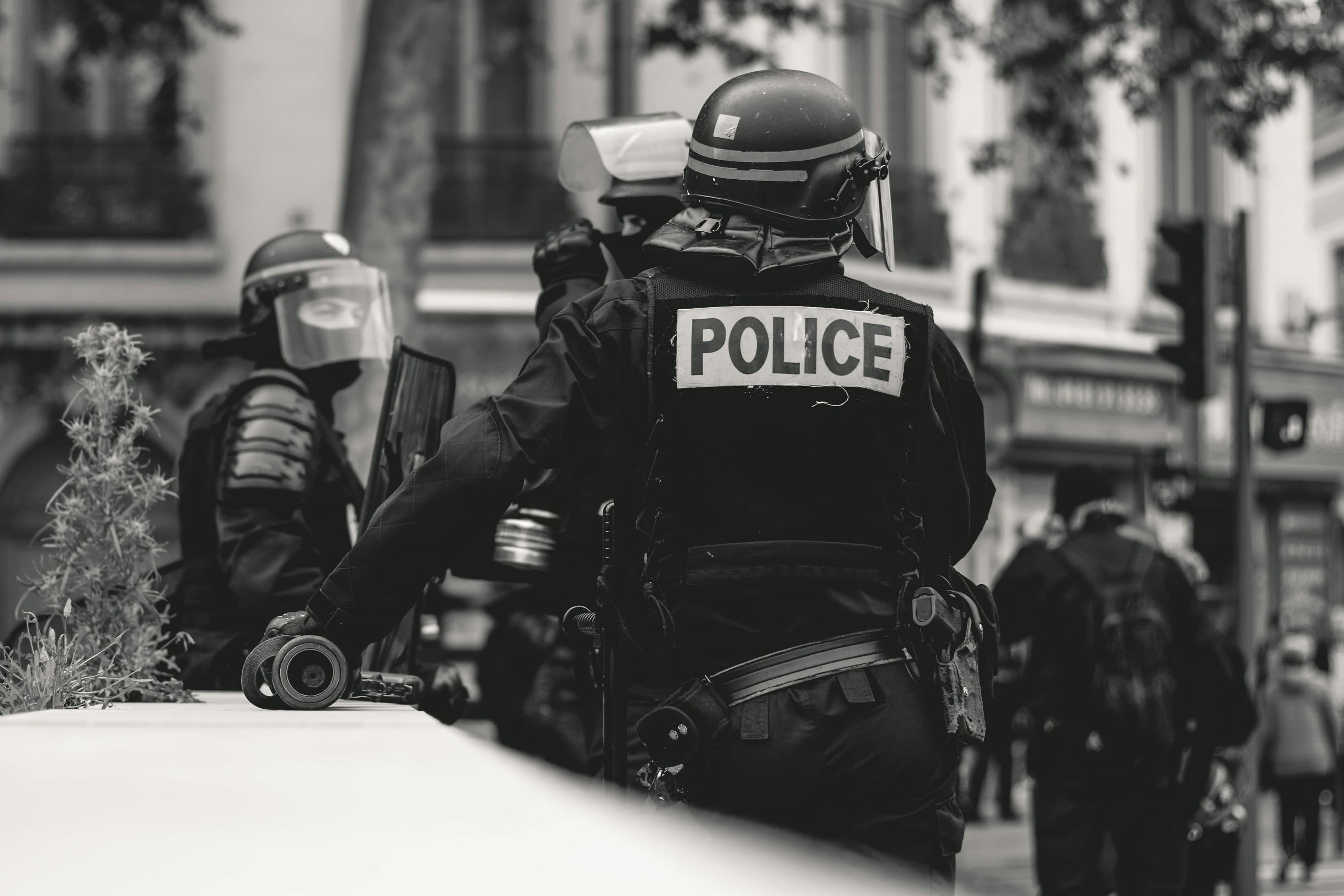
Paws on the Front Line: How Therapy K9s Are Transforming Officer Mental Health
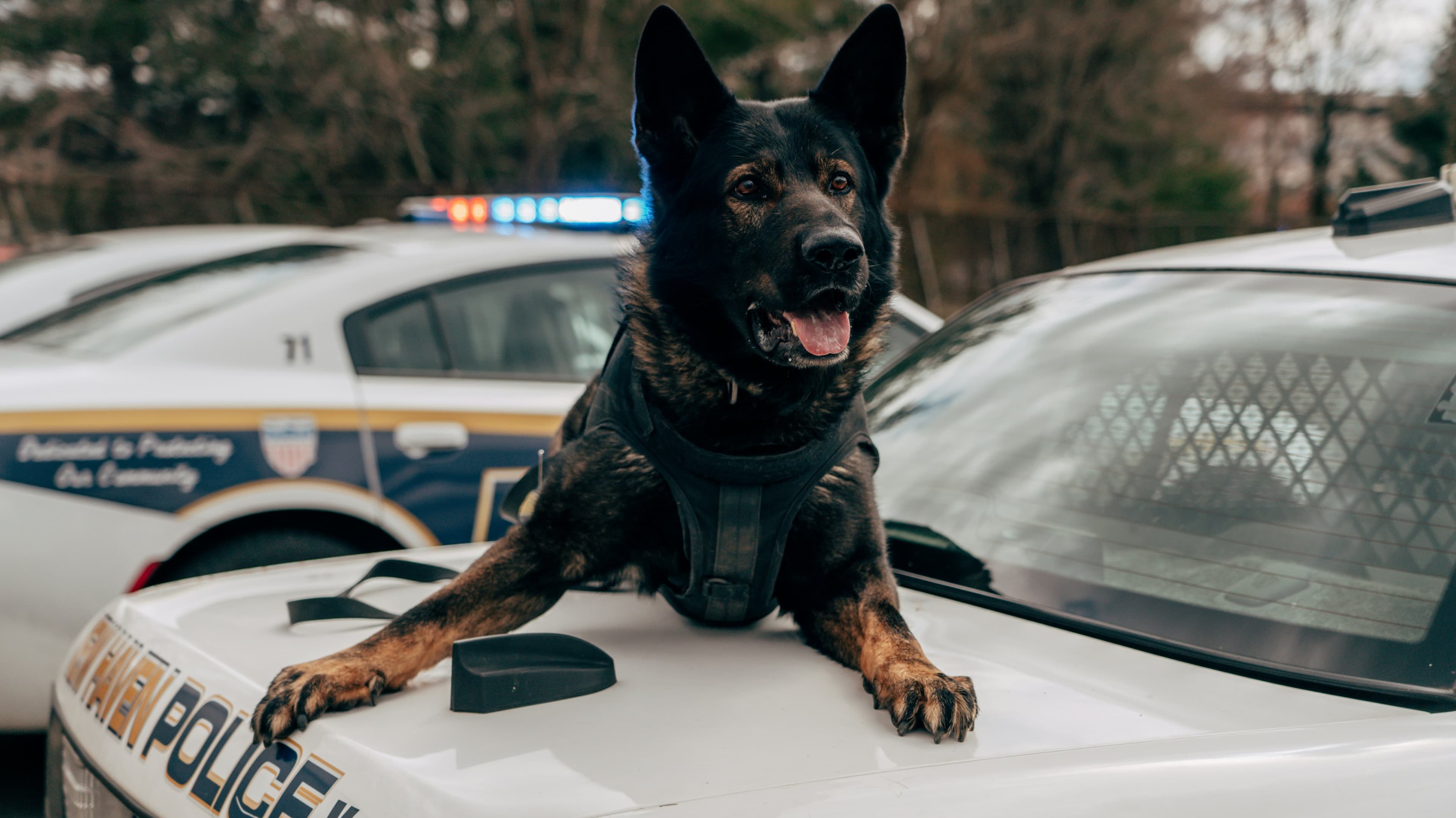
Therapy K9s are quietly reshaping how police departments and other public safety agencies think about mental health, turning wagging tails into powerful tools for wellness, trust, and cultural change. Far from being mere mascots, these specially trained dogs help lower stress, open the door to tough conversations, and make it easier for officers and dispatchers to seek meaningful support after critical incidents. As more agencies formally integrate Therapy K9s into peer support teams, debriefings, and station life, they are discovering that investing in these programs is not just about comfort- it is about resilience, retention, and long-term psychological health across the entire workforce.
Expanding the Role of Therapy K9s in Mental Wellness Programs
Beyond their immediate impact during high-stress situations, Therapy K9s can play a bigger role in long-term mental health programs within law enforcement agencies. These dogs can be part of organized wellness efforts that help build emotional strength, reduce the stigma of asking for help, and encourage open conversations about mental health. Regular visits from Therapy K9s to police stations, training centers, and dispatch offices can provide ongoing support and stress relief. These visits give officers a comfortable way to start talking about mental health, even in workplaces where showing emotion is often discouraged.
Departments that have official Therapy K9 programs often see better morale, more interest in wellness resources, and a more positive work environment. For instance, the Indianapolis Metropolitan Police Department has seen benefits from its Therapy K9 program, which includes planned visits to high-pressure units and support during debriefings after serious incidents. Officers have shared that the dogs help them talk about tough experiences, and some have even said the dogs motivated them to seek professional counseling they had avoided due to fear or stigma1.
Training and Deploying Therapy K9 Teams Effectively
To make a Therapy K9 program successful, careful planning and proper training are essential. The handlers, who are usually officers themselves, receive special training in dog behavior, emotional support methods, and how to respond in crisis situations. The dogs are chosen not just for their calm attitude but also for their ability to stay composed in stressful environments. Certification from trusted groups like Pet Partners or Assistance Dogs International helps ensure quality and safety for both the dog and handler2.
Clear guidelines for when and how to use Therapy K9s help make their support more effective without disrupting operations. It’s important not to confuse Therapy K9s with working dogs used for patrol or drug detection, as their purposes are very different. Therapy K9s need to be introduced in a careful and respectful way, especially in areas where trauma has occurred, like after-incident scenes, counseling areas, or peer support sessions. In all these settings, the handler helps guide interactions so they are comfortable, optional, and focused on the emotional needs of the staff.
Therapy K9s and Peer Support Collaboration
One of the best ways to include Therapy K9s in a department’s mental health approach is by teaming them up with trained peer support staff. These are fellow officers trained in basic mental health care, crisis response, and trauma awareness. When Therapy K9 handlers work with peer support officers, they create a more complete support system. This combination is especially helpful during intense times such as officer-involved shootings, major public events, or internal investigations. Having a Therapy K9 present during peer support efforts can ease stress and make it easier for officers to open up3.
This approach is already in use in several departments in North America. For example, the San Antonio Police Department sends Therapy K9s with peer support teams during death notifications and after serious incidents. These teams have helped reduce barriers to mental health care, especially for officers who might otherwise avoid professional help. The dogs help create a calmer environment, making it easier for meaningful conversations that support healing and resilience4.
Evaluating Impact and Building Sustainability
To make these programs last, departments need to track how well they are working. This can include collecting feedback from officers, recording how often the dogs are used, and watching for changes in mental health trends over time. Some departments use follow-up surveys and wellness check-ins to learn how the presence of Therapy K9s is affecting staff. This information helps improve the program, support funding requests, and find ways to grow or improve the service5.
For long-term success, leadership must fully support the program. This means setting aside funds not just for the dogs themselves, but also for ongoing training, vet care, and support for the handlers. Working with local mental health providers, veterinary clinics, and dog therapy groups can help lower costs and improve the program’s quality. When Therapy K9s are part of a larger wellness plan, they can become a key piece of mental health support in law enforcement, showing that taking care of staff is a top priority, not just a side concern.
Broader Implications for Health and Mental Wellness in Public Safety
The success of Therapy K9s in police work shows that similar programs could help other public safety agencies too. Fire departments, EMS teams, and 911 dispatch centers deal with many of the same challenges, like traumatic events, long hours, and high-pressure situations. Adding Therapy K9s to these workplaces could bring the same benefits, especially when matched with programs already in place, like employee assistance services, stress management tools, and trauma-informed training6.
Therapy K9s can also play a role in connecting public safety agencies with the community. When these dogs take part in events with kids, school visits, or local gatherings, they help promote emotional wellness and show a more relatable side of public safety workers. These public interactions can help reduce mental health stigma, encourage people to seek help early, and support community-wide efforts to promote emotional health for both first responders and the public they serve.
Bibliography
Indianapolis Metropolitan Police Department. "Therapy Dog Program Enhances Officer Wellness." IMPD Wellness Division Report, 2022.
Pet Partners. "Standards for Animal-Assisted Interventions." Accessed May 2024. https://petpartners.org.
National Alliance on Mental Illness (NAMI). "The Importance of Peer Support in Law Enforcement." NAMI Law Enforcement Resources, 2021.
San Antonio Police Department. "Wellness Unit Annual Review." SAPD Behavioral Health Division, 2023.
U.S. Department of Justice, Office of Community Oriented Policing Services. "Law Enforcement Mental Health and Wellness Programs: Eleven Case Studies." Washington, DC: DOJ COPS Office, 2019.
International Association of Fire Chiefs. "Behavioral Health in the Fire Service Report." IAFC Health and Safety Committee, 2020.