The Thin Blue Line Between Coping and Collapse

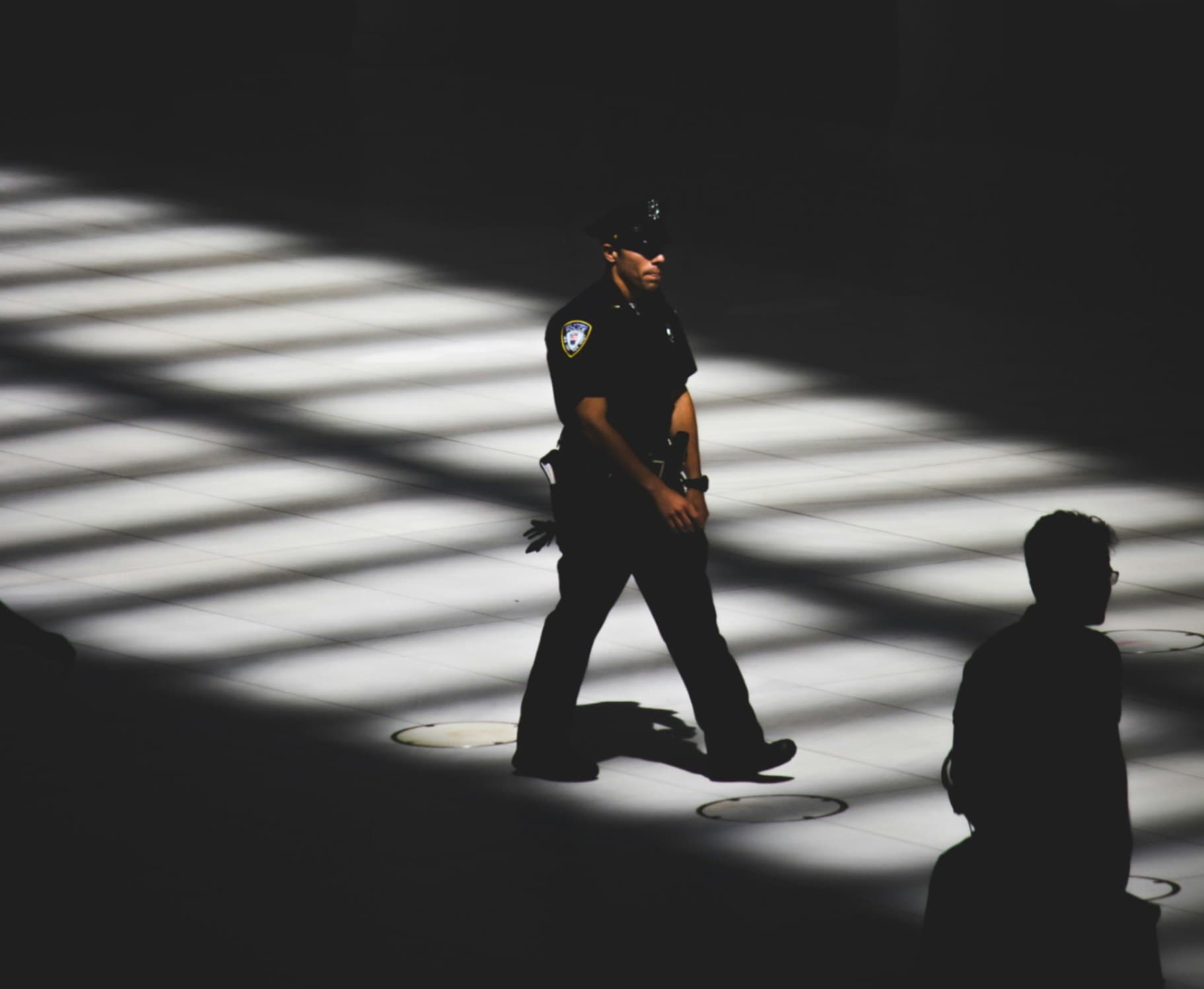
Our fearless lieutenant stood in front of roll call in his dress blues, offering words of strength and solitude before assigning posts and sending us into the streets to enforce the law and make a difference. He looked exhausted, yet his presence was commanding. All he had to do was point and lead, and we would’ve followed him into any battle or street war - just to have it on the résumé. That’s a quality only a few leaders possess.
We looked up to him - not just for what he said, but for what he showed us.
Most of us stood there in freshly purchased uniforms, equipment still stiff and unbroken-in. I remember thinking, That’s the kind of cop I want to be. As I listened, I began noticing the details. The creases in his uniform were so sharp you could cut yourself if you dared run a finger along them. The hash marks on his sleeve humbly bragged of years invested and sacrifices made. His shoes were polished to a shine that could momentarily blind you if you looked too long. Yet there was something else - something slightly off - in his posture, a subtle sway that didn’t belong.
When we were dismissed, I walked past him toward the exit, focused on the mission - what we reviewed, what was expected of us, how to execute it fully. And then I noticed it.
I caught a scent of his secret.
A secret that has plagued too many good cops in the past and continues to do so today.
Others noticed it too. Some pretended it wasn’t there. Those who spoke about it did so gently, the way you might talk about a terminal illness in a loved one - quietly, respectfully. Those who didn’t spoke with their distance, an uneasy disconnect that needed no words.
Over my years in policing, I’ve watched alcohol infiltrate law enforcement culture with a gluttonous persistence - ironically moving through our ranks the way an undercover would through an operation. At law enforcement social events, alcohol is almost always the bell of the ball. It has destroyed more clear thinking, reputations, marriages, and lives than could ever be accurately recorded. And yet, the pull toward it - using alcohol as a “friend” - continues to grow at the same rate, if not faster.
“Just enjoying a drink to take the edge off.”
The daily grind comes with rewards we often credit to hard work alone, rarely acknowledging the discipline and restraint required to sustain it year after year. Waking up early. Keeping the routine. Exercising when you’d rather sleep. Addressing family pressures. Tolerating discourtesy from strangers on the way to a job that pays the bills but rarely gives anything back emotionally. It’s a frustration most responsible adults understand.
But for law enforcement officers, it’s different.
Now add a thankless job. Add a uniform that makes you a target before you even speak. Add the reality of interacting daily with a public that often assumes the worst, questions your motives, and rarely sees your humanity. It can feel like you bought a one-way ticket into a profession where appreciation is scarce and scrutiny is constant.
And in that space - between pride and pressure, leadership and loneliness - alcohol waits patiently, pretending to be relief.
Consider the case of the Seattle Police Department's wellness initiative, which identified that chronic exposure to trauma and stress was contributing to substance misuse among officers. In response, the department implemented a peer support program paired with mandatory wellness check-ins, which helped normalize conversations about mental health and reduced the stigma around seeking help. This structure created space for early intervention, not only improving mental wellness but also reducing alcohol-related incidents among staff1.
Here’s the truth: we can do better - together! If we want to be the kind of officers people respect, we have to start by respecting ourselves and each other. Courage isn’t just going into a dangerous situation - it’s admitting when you’re hurting. Strength isn’t measured only in physical endurance - it’s measured in how willing we are to ask for help, to support our brothers and sisters, and to lead with accountability.
In Camden, New Jersey, the police department underwent a cultural overhaul that centered officer wellness as a core value. By integrating mental health resources into everyday operations, including on-site counselors and resiliency training, the department saw a measurable improvement in officer morale and a decrease in disciplinary actions. Officers were encouraged to speak openly about their struggles, and leaders who modeled vulnerability helped build a healthier and more supportive work environment2.
Leadership doesn’t end when roll call is over. It continues every time we choose wellness over silence, connection over isolation, and integrity over myth. A leader doesn’t just tell others to be strong - they model resilience, vulnerability, and responsibility. True leadership is seeing a partner struggle and acting, not walking past them with avoidance or excuse.
One example comes from the Denver Police Department, where a lieutenant noticed increasing absenteeism and mood changes in a veteran officer. Rather than waiting for a crisis, the lieutenant asked the officer to join him for coffee and initiated a conversation about wellness. That act of peer-driven intervention led the officer to accept help through the department's Employee Assistance Program. The officer later credited that moment as life-saving, showing how attentive leadership can prevent deeper harm3.
We owe it to each other to break the stigma around stress, trauma, alcohol misuse, and mental health struggles. We owe it to our families who stand beside us, and we owe it to the communities we protect - communities who deserve officers who are present, supported, and whole.
Programs like the First Responder Support Network in California provide residential treatment for first responders dealing with trauma, substance misuse, and burnout. These programs are staffed by clinicians and peer supporters with law enforcement backgrounds, offering culturally competent care that resonates more deeply with officers. Such initiatives demonstrate the power of specialized, empathetic support systems in helping officers recover and return stronger4.
National & Local Resources for Law Enforcement Officers
📞 Peer Support & 24/7 Confidential Help
NJ Cop2Cop – 24-hour peer support for New Jersey law enforcement officers and their families; trained retired officers and clinicians provide support, referrals, and stress management services. Call 1-866-COP2COP (267-2267) or visit njcop2cop.com.
COPLINE – A national confidential peer support hotline for active and retired officers: 1-800-267-5463.
Safe Call Now – 24/7 crisis referral service staffed by former law enforcement and public safety professionals (call or visit their website for details).
🧠 Wellness, Training & Peer Networks
VALOR Officer Safety & Wellness Initiative (Bureau of Justice Assistance) – Resources and toolkits focused on resilience, stress reduction, and how to support officers in crisis.
Law Enforcement Association of Peer Specialists (LEAPS) – A peer specialist network strengthening officer wellness and early intervention across the U.S.
Behind the Badge Foundation – Resource Center – Materials and educational tools for officers and families on wellness, trauma, and healthy lifestyle strategies.
👨👩👧👦 Family & Support Networks
National Alliance for Law Enforcement Support – Support and community resources for officers and spouses.
National Police Wives Association – Peer support and connection for spouses and families.
Employee Assistance Programs (EAP) – Most agencies, including the NJ State EAP, offer confidential counseling and support services for employees and family members — a first step toward recovery and resilience.
🍃 Support for Substance Misuse & Addiction
Alcoholics Anonymous (AA) / SMART Recovery – While not law-enforcement specific, AA and SMART Recovery have meetings and online options that many first responders find helpful; some groups are tailored to first responders or veterans.
Local mental health agencies & addiction specialists – Many departments partner with local providers to offer confidential counseling and treatment referrals.
What Officers Can Do for Each Other
➡️ Be proactive — Look for subtle changes in posture, talk, or behavior; don’t wait for a crisis to have a conversation.
➡️ Use peer support early — Peer support isn’t only for emergencies; it’s a preventive strength tool.
➡️ Normalize help-seeking — Leaders and veterans openly using support services set the tone that seeking help is strength, not weakness.
➡️ Build recovery-friendly culture — Departments can host wellness training, offer confidential support lines, and partner with organizations like Cop2Cop, VALOR, LEAPS, and Behind the Badge.
Departments such as the Las Vegas Metropolitan Police have launched comprehensive officer wellness bureaus that include physical fitness programs, mental health clinicians, chaplain services, and peer support. By embedding wellness into standard operations, they affirm that support is not an exception but a core function of law enforcement culture. This model of integrated care can serve as a blueprint for municipal agencies seeking to sustain their workforce and strengthen community trust5.
We can honor our brothers and sisters who have struggled with alcohol misuse by remembering their devotion and committing ourselves to a future where no officer ever has to walk alone.
Because behind every badge is a human being - a parent, a partner, a friend - trying to carry the weight of the world while holding onto their own. The job may demand toughness, but survival demands heart. And healing begins when we look one another in the eye and say, “I’ve got you.”
Let that be the legacy - not silence, not secrets, not another funeral. Let it be connection. Let it be hope. Let it be the kind of strength that saves lives.
Bibliography
Seattle Police Department. (2019). Officer Wellness and Resiliency Program. Retrieved from https://www.seattle.gov/police/about-us/wellness
Police Executive Research Forum. (2020). Camden County Police Department: Officer Wellness and Organizational Change. Retrieved from https://www.policeforum.org
City and County of Denver. (2021). Denver Police Department Wellness Program Overview. Retrieved from https://www.denvergov.org
First Responder Support Network. (n.d.). About Us. Retrieved from https://www.frsn.org
Las Vegas Metropolitan Police Department. (2021). Office of Wellness and Resilience. Retrieved from https://www.lvmpd.com