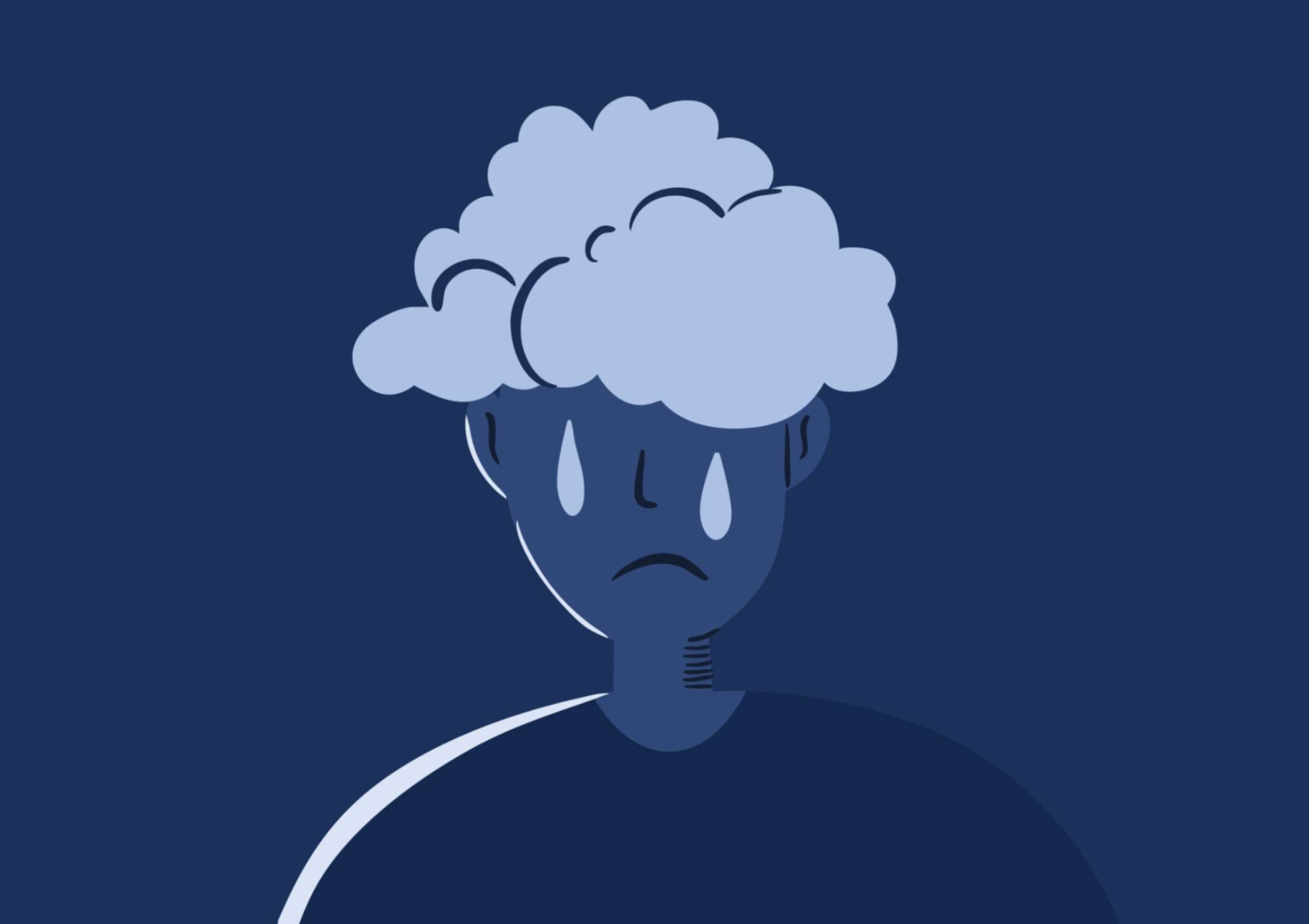
Grounded Leaders, Thriving Communities: Mental Wellness as a Public Duty
That moment in front of the mirror, where you make eye contact with yourself and say "good morning," is not just a routine but a significant act of self-recognition. These seemingly small actions contribute to emotional regulation and self-acceptance, both critical components of mental wellness. According to the National Institutes of Health, daily rituals that promote self-attunement can reduce stress and build resilience over time by reinforcing positive self-perception and emotional safety1. When you consistently acknowledge yourself, even briefly, you lay the groundwork for stronger interpersonal relationships by first cultivating a stable internal environment.
These daily self-affirming actions may appear simple, but they form foundational habits that promote emotional balance. Health professionals increasingly recommend integrating mindfulness and self-care into everyday routines. When you focus on the sensory experience of brushing your teeth or applying fragrance, you are engaging in a form of mindfulness that reduces anxiety and supports neurological health2. Taking time to be present with yourself, even for a few minutes, can become a protective factor against the emotional fatigue that is common in high-demand work environments.
Why Mental Wellness Should Be a Priority for Local Government Professionals
Professionals in local government and public service often face high expectations, limited resources, and emotionally charged community interactions. Chronic exposure to this type of stress without effective coping mechanisms can lead to burnout, anxiety, and decision fatigue. The Centers for Disease Control and Prevention points out that workplace stress is not only a health issue but also an operational one, affecting productivity and community engagement outcomes3. When staff are mentally well, they are more likely to make sound decisions, communicate effectively, and model the values they are promoting in the community.
Creating space for mental wellness within your own day, as you described, is one way to build resilience. However, it is equally important for organizations to institutionalize practices that support this work. This includes offering flexible schedules, promoting a culture of self-care, and integrating wellness programming into staff development. These steps are not just perks; they are foundational for building a stable and effective workforce. Municipal governments that have piloted wellness initiatives report lower turnover and higher job satisfaction, particularly among staff who deal directly with the public4.
Building a Culture of Appreciation and Connection
Your reflection on appreciating the small gestures toward yourself highlights a concept well-supported in health psychology: self-compassion. Studies show that self-compassion is closely linked to emotional intelligence, which in turn influences our ability to form meaningful interpersonal relationships5. The act of treating yourself with kindness, especially in mundane routines, builds a mental muscle that enables you to extend empathy and patience to others. This is particularly important in leadership roles or community-facing positions where emotional labor is high.
Local governments can support this approach by fostering an environment of mutual respect and recognition. Simple practices like peer acknowledgment, reflective supervision, and inclusive team meetings can reinforce a culture of appreciation. When team members feel seen and valued, they are more likely to engage meaningfully with their work and their colleagues. These practices cost little to implement but yield significant returns in morale and team cohesion6.
Practical Strategies for Supporting Wellness in the Workplace
While individual routines are crucial, systemic support is necessary to sustain wellness in high-pressure environments. One practical strategy is to embed wellness check-ins into your team agendas. These can be short, structured opportunities for staff to share how they are managing their workload and emotional well-being. This not only normalizes conversations about mental health but also helps identify issues before they escalate into burnout or absenteeism.
Another actionable approach is to train supervisors in trauma-informed leadership. This type of training helps managers recognize the signs of emotional distress and respond in a supportive, non-punitive way. According to research by the Substance Abuse and Mental Health Services Administration (SAMHSA), trauma-informed workplaces report better staff retention, fewer grievances, and improved client interactions7. When leaders model wellness behaviors and prioritize emotional safety, it sets a tone that benefits the entire organization.
Connecting Personal Wellness to Community Impact
Your ability to connect with others has grown through your own self-connection. This concept mirrors a key principle in community health: individual wellness directly influences collective outcomes. When public service professionals are emotionally grounded, they are better equipped to co-create solutions with community members, rather than imposing top-down fixes. Research from the American Public Health Association shows that emotionally intelligent leaders are more effective at navigating community tensions and facilitating inclusive engagement processes8.
By treating your own wellness as a foundational responsibility, you contribute to a chain reaction that extends into your workplace and the broader community. When professionals in public service model balance, empathy, and self-awareness, they give others permission to do the same. This creates a healthier civic environment where people feel heard, valued, and motivated to participate. Your daily routines, though personal, are in fact a public service in themselves.
Conclusion: Making Wellness a Sustainable Practice
The experience shared is a powerful reminder that health and mental wellness are both personal and professional imperatives. Acknowledging yourself each morning is more than a self-help exercise - it is a deliberate investment in your ability to serve others with consistency and care. As local government professionals continue to face complex challenges, integrating wellness into daily life and organizational culture will be key to sustaining long-term impact.
By continuing these practices and encouraging them in your workplace, you are helping to shift the culture of public service toward one that values the whole person. This is not only beneficial for individual staff but also for the communities they serve. Wellness is not a destination but a practice, strengthened each day by intentional acts of self-respect and mutual care.
Bibliography
National Institutes of Health. "Mindfulness for Your Health." National Center for Complementary and Integrative Health, 2022. https://www.nccih.nih.gov/health/mindfulness-for-your-health.
American Psychological Association. "Mindfulness Meditation: A Research-Proven Way to Reduce Stress." APA, 2021. https://www.apa.org/topics/mindfulness/meditation.
Centers for Disease Control and Prevention. "Workplace Health Promotion: Mental Health in the Workplace." CDC, 2022. https://www.cdc.gov/workplacehealthpromotion/tools-resources/workplace-health/mental-health/index.html.
Government Finance Officers Association. "Workplace Wellness Programs in the Public Sector." GFOA, 2021. https://www.gfoa.org/materials/workplace-wellness-in-the-public-sector.
Neff, Kristin. "Self-Compassion and Emotional Intelligence in the Workplace." Journal of Business Psychology 34, no. 2 (2019): 257-270.
Society for Human Resource Management. "Creating a Culture of Recognition." SHRM, 2020. https://www.shrm.org/resourcesandtools/hr-topics/employee-relations/pages/creating-a-culture-of-recognition.aspx.
Substance Abuse and Mental Health Services Administration. "Concept of Trauma and Guidance for a Trauma-Informed Approach." SAMHSA, 2014. https://ncsacw.samhsa.gov/userfiles/files/SAMHSA_Trauma.pdf.
American Public Health Association. "Building Community Resilience through Emotionally Intelligent Leadership." APHA, 2020. https://www.apha.org/-/media/Files/PDF/topics/mental_health/Community_Resilience.ashx.
More from 2 Topics
Explore related articles on similar topics