Maternal Strength in Motion: Turning Pain Into Purpose and Policy Change
The road to motherhood reshaped everything: my body, my priorities, and, often unexpectedly, my sense of self. For many women, health transforms from an afterthought to a nonnegotiable act of love- for themselves, their children, and their families. But what happens when personal wellness becomes a public issue? My story of loss, recovery, and growth explores how my pursuit of health revealed a deeper truth: that mental and physical wellness are inseparable, and that communities thrive when maternal care moves from private struggle to public support.
After giving birth to my first child, I realized that health was no longer something I could treat as optional. It became clear that my well-being directly affected my ability to raise a healthy child and be present for my family. This awareness pushed me to re-engage with more nutritious eating habits and consistent physical activity. I restarted dieting, and this time, I approached it with a long-term mindset. I wanted to maintain my weight loss and boost my energy, especially as I considered the possibility of having another child. Losing another 35 pounds gave me more than just physical improvement - it gave me a renewed sense of control and stability.
Health and mental wellness are fundamentally connected. The changes I made in my physical lifestyle had a profound impact on my emotional state. As I got healthier, my anxiety levels decreased, and I found it easier to manage stress. This connection is well-supported in public health research, which shows that regular physical activity can reduce symptoms of depression and anxiety while improving mood and cognitive function¹. Municipal leaders and local health agencies can take an active role in supporting these kinds of transitions for residents by offering subsidized fitness programs, nutrition workshops, and maternal health services that are accessible and culturally responsive.
Mental Health After Pregnancy Loss and Childbirth
Experiencing a miscarriage was one of the most emotionally challenging periods of my life. It left me with a deep sense of grief that I had never encountered before. The sadness lingered for weeks and made even simple tasks feel overwhelming. I learned that this kind of emotional toll is not uncommon. Studies have shown that pregnancy loss can lead to an increased risk of depression, anxiety, and post-traumatic stress symptoms². For first-time mothers, this experience can be particularly destabilizing. I was fortunate to have support systems, but I also had to make a conscious decision to seek healing through lifestyle changes and mental health awareness.
After the birth of my first child, my mental health became a different kind of challenge. Postpartum emotions are complex, and adjusting to a new routine while recovering physically is demanding. I remained committed to my health goals during this time because I knew it would help me maintain emotional balance. Research by the Centers for Disease Control and Prevention (CDC) confirms that postpartum depression affects about 1 in 8 women, making it a significant public health concern³. Local governments can play a critical role by integrating mental wellness screenings into postpartum care visits and ensuring that new mothers have access to mental health services without stigma.
Nutrition and Lifestyle as Preventive Health Tools
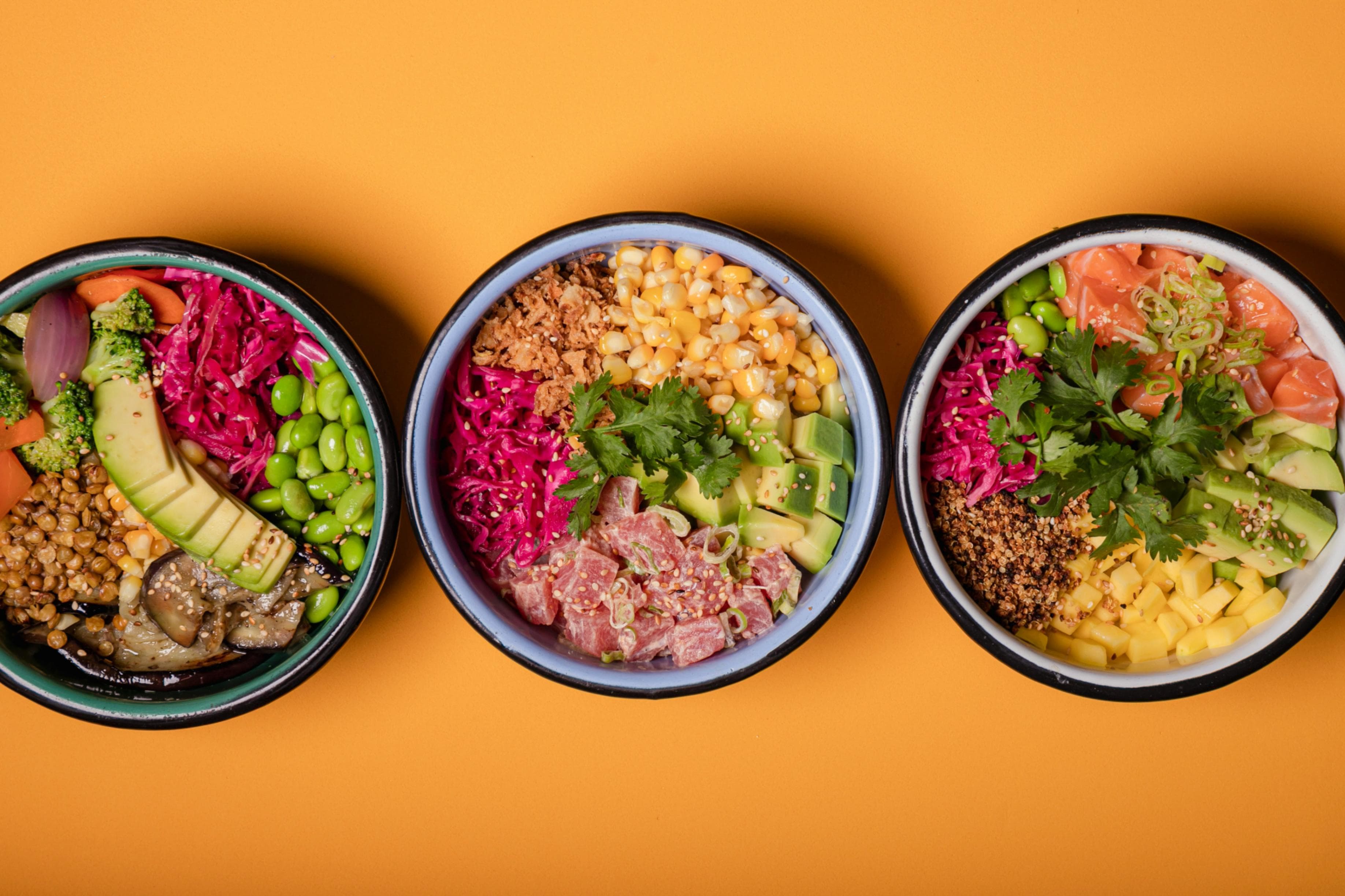
The decision to start dieting was not only about weight loss. It was about using food as a tool for healing and prevention. I started reading more about how certain foods affect mood, hormone balance, and energy. I learned that diets rich in vegetables, fruits, whole grains, and lean proteins can reduce inflammation and support mental clarity⁴. These changes helped stabilize my blood pressure and keep my energy levels consistent, which is essential when caring for a young child. It also gave me confidence that I was doing what I could to prepare my body for a future pregnancy.
For municipal practitioners and policymakers, this is where public health intersects with everyday life. Community-level interventions, such as urban gardening programs, mobile farmers' markets, and nutrition education in public schools, can help residents access healthy food without financial or geographic barriers. According to the U.S. Department of Agriculture, food insecurity is associated with lower diet quality and increased risk of chronic conditions⁵. Supporting residents in building healthier eating habits can have lasting effects across generations, particularly for low-income families or those with limited access to fresh produce.
Creating Supportive Systems for Maternal Wellness
My journey has taught me that wellness is not a solo effort. The support networks around us - whether they are family, healthcare providers, or government services - play a massive role in whether we succeed. During my pregnancy and after childbirth, I leaned on both formal and informal supports. What helped most were systems that recognized the interconnectedness of physical and mental health. Programs that offered both nutritional counseling and mental wellness check-ins allowed me to address my needs holistically.
For municipal leaders, investing in maternal wellness is not just a health issue - it is a community development strategy. Healthy mothers are more likely to raise healthy children, contribute to the workforce, and stay engaged in civic life. Local governments can prioritize maternal health by funding home visiting programs, expanding access to mental health professionals, and training frontline workers to recognize signs of distress in new parents. Evidence from the Maternal, Infant, and Early Childhood Home Visiting (MIECHV) program shows that families who receive early supports have better health outcomes and reduced reliance on emergency services⁶.
The Role of Consistency and Self-Compassion
One of the biggest lessons I’ve learned is the importance of consistency. There were days when I didn’t feel like exercising or following my meal plan, especially when I was sleep-deprived or emotionally drained. But I reminded myself that small steps add up. Even a short walk or a healthy snack choice was a win. Over time, these decisions became habits, and the results followed naturally. Mental wellness isn’t about perfection - it’s about persistence and giving yourself grace when things don’t go as planned.
Public administration professionals should consider how to design wellness programs that encourage gradual, sustainable change rather than quick fixes. Behavioral health research highlights that long-term success is more likely when individuals feel supported and empowered rather than judged or pressured⁷. This applies to workplace wellness programs, community initiatives, and any intervention targeting maternal health. By fostering environments that emphasize self-compassion and resilience, government agencies can help residents achieve better outcomes without feeling overwhelmed.
Health as a Lifelong Commitment
My path to better health and mental wellness began with a deeply personal loss, but it has evolved into a broader commitment to myself and my family. Parenthood gave me clarity on what matters most, and it motivated me to take charge of my health even when it was difficult. Every pound lost, every healthy meal prepared, and every emotion addressed became part of a larger effort to build a stable, nurturing environment for my child. These changes have not only improved my quality of life but have also strengthened my sense of purpose.
For students and practitioners in public administration, this story is a reminder that health is personal, yet shaped by policies, systems, and community resources. By investing in maternal wellness, mental health access, and nutrition education, government leaders can create healthier communities where individuals are empowered to take control of their well-being. The journey may start with one person, but the impact can ripple across neighborhoods and generations.
Bibliography
Centers for Disease Control and Prevention. "Benefits of Physical Activity." CDC, June 2022. https://www.cdc.gov/physicalactivity/basics/pa-health/index.htm.
Blackmore, E.R., et al. "Previous prenatal loss as a predictor of perinatal depression and anxiety." The British Journal of Psychiatry 195, no. 4 (2009): 378-384. https://doi.org/10.1192/bjp.bp.108.056499.
Centers for Disease Control and Prevention. "Depression Among Women." CDC, January 2023. https://www.cdc.gov/reproductivehealth/depression/index.htm.
Sarris, J., et al. "Nutritional medicine as mainstream in psychiatry." The Lancet Psychiatry 2, no. 3 (2015): 271-274. https://doi.org/10.1016/S2215-0366(14)00051-0.
U.S. Department of Agriculture. "Household Food Security in the United States in 2022." Economic Research Report No. 309, September 2023. https://www.ers.usda.gov/publications/pub-details/?pubid=105084.
U.S. Health Resources and Services Administration. "Maternal, Infant, and Early Childhood Home Visiting Program." HRSA, February 2024. https://mchb.hrsa.gov/programs-impact/programs/home-visiting-overview.
Bailey, R., et al. "Behavioral strategies to promote a healthy lifestyle." American Journal of Lifestyle Medicine 14, no. 1 (2020): 30-43. https://doi.org/10.1177/1559827617733947.
More from Health and Mental Wellness
Explore related articles on similar topics