Empowering Immigrant Youth: Lessons of Hope, Advocacy, and Integration
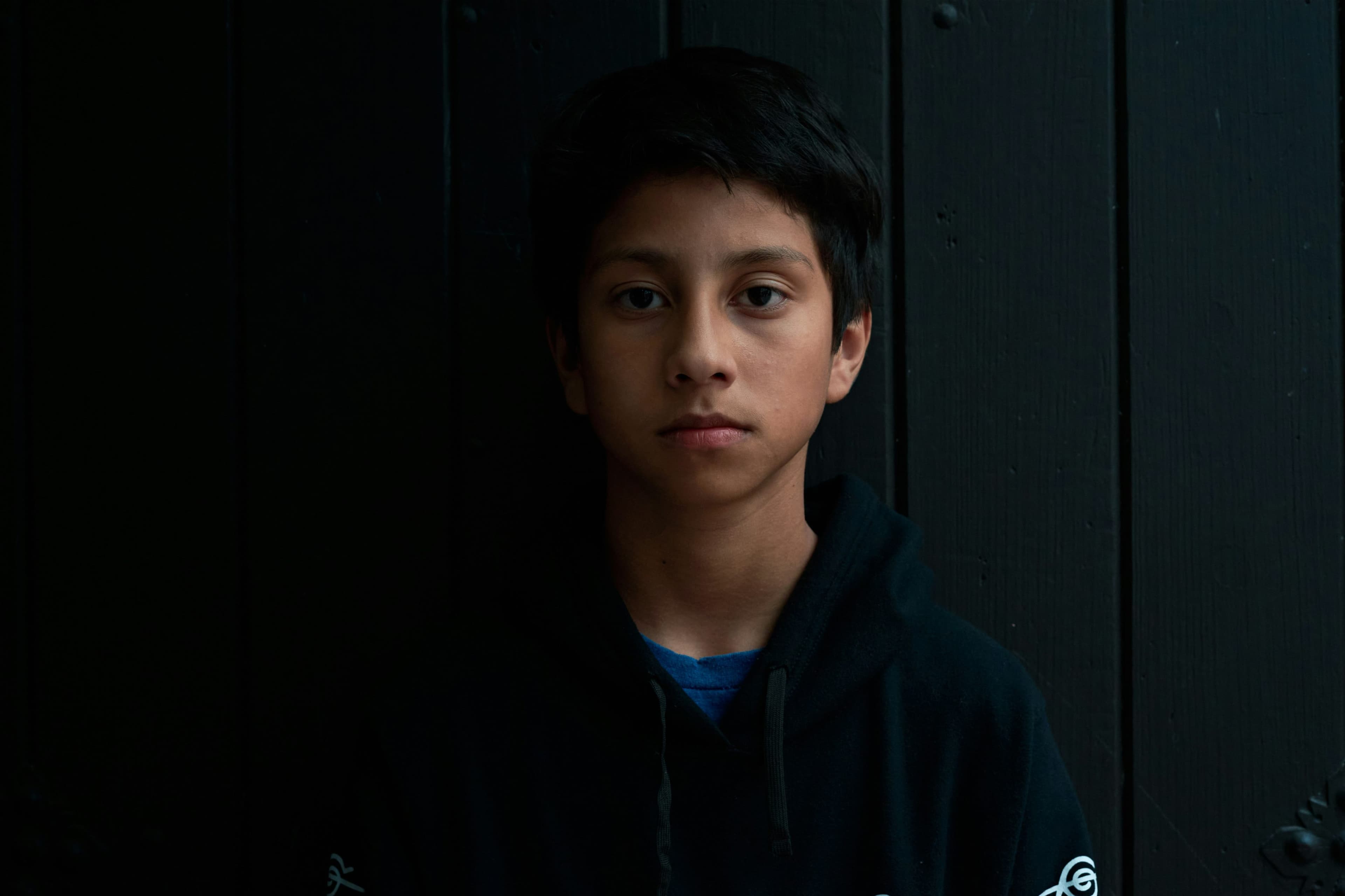
Leaving Panama in 1985 at the age of 15 to come to the United States was not an easy decision. I arrived alone in New York City, full of hope but with no family, no job, and no command of the English language. I had a vision—to contribute, to grow, and to create a better future not only for myself but eventually for my family. This journey, marked by perseverance, sacrifice, and a deep commitment to community, laid the foundation for a lifelong career in the private sector and later in public service advocacy. Today, I work as a Vice President in risk management at a global financial institution and serve as a volunteer liaison for immigrant minors navigating the U.S. immigration court system. Through my story, and through the story of a young Honduran boy named Miguel whom I had the privilege of mentoring, I hope to convey practical insights for students preparing for careers in public service, especially those who will engage with immigrant communities.
My Story
When I began my journey in the United States, I enrolled in high school while working part-time jobs to support myself. After graduation, I attended the Borough of Manhattan Community College (BMCC) and then transferred to Pace University, where I earned a degree in marketing and advertising with a double major in women's studies. Despite the challenges, I never relied on government benefits. Instead, I chose to focus on education and work ethic. This mindset carried me into a 27-year career on Wall Street, where I worked my way up in various roles to a Vice President position and earned seven licenses with the Financial Industry Regulatory Authority (FINRA). These accomplishments were not just professional milestones—they were acts of integration and contribution to the fabric of American society.
One essential lesson I’ve learned is that immigrants are often stereotyped as burdens to the system. However, many of us strive to be assets, not liabilities. My efforts to become a U.S. citizen at 23 and my continued involvement in faith-based organizations and community service have always been guided by a desire to give back. I’ve paid taxes, run marathons across dozens of American cities and abroad, bought homes, and raised two college-educated children. This life has not been without hardship, but it reflects the values of diligence, responsibility, and civic duty.
These values also inform my current volunteer work. For the past several years, I have served as a court liaison and translator for unaccompanied immigrant minors at the U.S. border. My firm’s pro bono initiative connects legal professionals with children seeking asylum, and I play a key role in helping these children tell their stories in a legal context. One case that left a lasting impact on me was that of Miguel, a 14-year-old boy from Honduras.
Miguel's Story
Miguel arrived in the U.S. alone, unable to speak English and with only a second-grade education. He fled Honduras to escape the pressure of gang recruitment, a common issue in Central America where youth are often forced to choose between joining criminal organizations or risking their lives (UNHCR 2021). Through our program, I worked closely with Miguel for five years, supporting him as he attended high school in Sunset Park, Brooklyn. He faced numerous challenges, from language barriers to cultural integration, but he remained committed to his education. Eventually, Miguel earned his high school diploma and was granted asylum, becoming a U.S. resident alien at the age of 17. Today, he is part of a vocational training program in construction, building a life of purpose and security.
Miguel’s success demonstrates the importance of holistic support systems for immigrant youth. Legal representation, language access, and consistent mentorship are critical factors in navigating the complexities of the U.S. immigration and education systems. The American Bar Association (ABA) notes that unaccompanied minors are five times more likely to be granted legal status when they have legal representation (American Bar Association 2023). My experience confirms this statistic—storytelling and legal advocacy can change the trajectory of a young person’s life.
The Power of Community
For practitioners, working with immigrant populations requires more than policy knowledge. It demands cultural sensitivity, trust-building, and a commitment to equity. Effective public service also involves collaboration between private institutions, non-profit organizations, and government agencies. My firm's support for pro bono legal services is an example of how the private sector can partner with public and legal institutions to create meaningful outcomes.
Another key insight is the value of language access. As a translator, I witnessed firsthand how language barriers can inhibit justice. According to the Migration Policy Institute, nearly 25 million people in the U.S. have limited English proficiency, and this significantly affects their ability to access services (Batalova and Zong 2021). Translators like myself bridge these gaps and ensure that individuals are understood and respected throughout legal proceedings.
People must also recognize the emotional toll that trauma has on immigrant populations. Many children, like Miguel, come from environments of violence and instability. Trauma-informed practices must be integrated into public systems to ensure that services are compassionate and effective (Substance Abuse and Mental Health Services Administration 2022). By working to understand and support immigrant populations by providing empowering opportunities, we build a better America for everyone.
Key Takeaways
Immigrant contributions are multifaceted and substantial: From paying taxes and raising families to volunteering in critical public systems, immigrants actively contribute to the social and economic fabric of the U.S.
Legal advocacy and mentorship can transform lives: Programs that offer legal representation and personal support to immigrant minors significantly increase their chances of successful integration and legal status.
Language access is fundamental: Translators and bilingual professionals are essential in ensuring that non-English-speaking immigrants receive fair treatment in public systems, especially in legal and educational settings.
Cross-sector collaboration enhances service delivery: Partnerships between the private sector, legal professionals, and public institutions can provide comprehensive support to vulnerable populations.
Trauma-informed approaches are necessary: Understanding the backgrounds and emotional needs of immigrant youth enables public servants to provide effective and empathetic support.
Persistence and civic responsibility lead to long-term integration: My personal journey reflects how dedication to education, work, and community involvement fosters successful assimilation and long-term societal contribution.
References
American Bar Association. 2023. “Immigration Advocacy for Unaccompanied Children.” American Bar Association. https://www.americanbar.org/groups/public_interest/immigration/projects_initiatives/child_migrant/.
Batalova, Jeanne, and Jie Zong. 2021. “Language Diversity and English Proficiency in the United States.” Migration Policy Institute. https://www.migrationpolicy.org/article/language-diversity-united-states-2021.
Substance Abuse and Mental Health Services Administration. 2022. “Trauma-Informed Care in Behavioral Health Services.” SAMHSA. https://store.samhsa.gov/product/TIP-57-Trauma-Informed-Care-in-Behavioral-Health-Services/SMA14-4816.
United Nations High Commissioner for Refugees (UNHCR). 2021. “Children on the Run: Unaccompanied Children Leaving Central America and Mexico and the Need for International Protection.” https://www.unhcr.org/en-us/publications/children-on-the-run.html.