Building Resilience: Lessons from a Campaign That Almost Failed
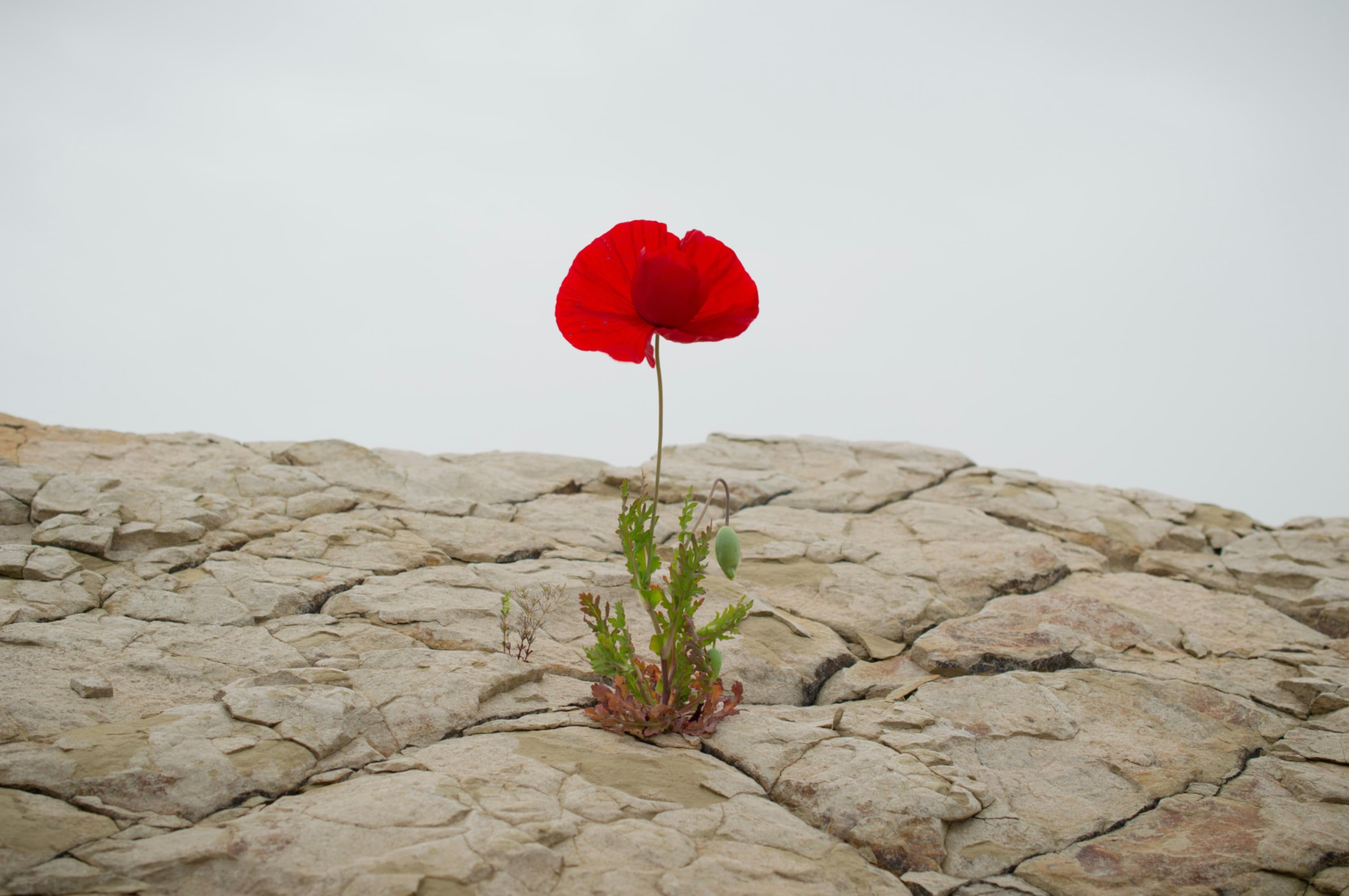
Even the most passionate community campaigns can stall when good intentions meet disorganized execution. That’s exactly what happened before a pivotal partnership with the Rotary Club reframed not just a fundraising model- but an entire mindset. What followed was a lesson in turning setbacks into structure: pairing enthusiasm with evidence, transforming isolated efforts into collaborative strategy, and redefining volunteerism as a focused, professional force. The result wasn’t just more funding- it was a replicable blueprint for how civic ambition meets sustainable success.
Strategic Realignment After a Stalled Campaign
The partnership with the Rotary Club served as a critical inflection point. Their structured approach brought in not just capital, but also credibility and a replicable model for community engagement. One of the most valuable lessons from the initial shortfall was the need to pair passion with a professionalized fundraising structure. The early reliance on unfocused volunteer labor and loosely organized events resulted in fatigue and minimal financial return. The Rotary Club's involvement introduced a clear fundraising calendar, targeted donor outreach, and a division of labor that allowed volunteers to contribute meaningfully without burning out.
Subsequent planning efforts adopted this model by prioritizing early coalition-building with established civic organizations. Future campaigns began with formal memoranda of understanding that clearly defined roles, timelines, and expectations for each partner organization. This shift also improved grant application success, as funders often require documented collaboration and institutional backing for capital campaigns. According to the National Recreation and Park Association, collaborative approaches increase the likelihood of funding approval for community-based infrastructure projects by as much as 40 percent when compared to isolated efforts1.
Refined Messaging and Donor Segmentation
One of the key oversights in the initial campaign was the lack of tailored messaging for different donor audiences. Early efforts treated fundraising as a general appeal, which diluted the impact of the campaign narrative. After reevaluating, the revised approach included segmented messaging that distinguished between institutional funders, local business sponsors, and individual community members. Each group received communications that aligned with their interests and capacity to give. For instance, medical professionals were re-engaged, but this time with customized case statements highlighting the therapeutic and developmental benefits of inclusive playgrounds for children with disabilities.
This segmentation strategy was supported by data-driven donor profiling. Using publicly available tools like IRS Form 990s and local donation histories, the committee created a map of potential high-impact donors and aligned outreach efforts accordingly. According to a report by the Lilly Family School of Philanthropy, targeted messaging can increase donor conversion rates by up to 60 percent compared to generic appeals2. This allowed the campaign to focus its limited resources on high-probability targets, resulting in a marked increase in average donation size and donor retention.
Institutionalizing Accountability and Evaluation
Another significant improvement was the formalization of accountability mechanisms within the campaign committee. The initial phase lacked structured check-ins or performance benchmarks, creating a sense of drift. In contrast, the new committee implemented monthly progress reports and quarterly strategy reviews. These sessions were not only used to assess financial progress but also to evaluate the effectiveness of tactics, such as event ROI and volunteer engagement levels. When one fundraising event underperformed, it was quickly replaced with a grant-writing sprint that yielded better returns without additional volunteer fatigue.
This iterative process helped maintain momentum and allowed for timely course corrections. It also built donor trust. Regular updates were shared with contributors, including transparent breakdowns of how funds were being used. Research from the Stanford Social Innovation Review indicates that transparency and regular communication significantly improve donor confidence, which in turn impacts long-term fundraising success3. This level of communication was time-intensive, but it ultimately paid off in donor loyalty and campaign credibility.
Leveraging Volunteer Time Strategically
One of the most transformative changes made after the initial campaign shortfall was the recalibration of how volunteer time was utilized. Initially, volunteers were activated for nearly every task, from organizing events to cold-calling potential donors. This led to burnout and inefficiency. The revised approach treated volunteer time as a limited resource, only deploying it for high-impact activities such as peer-to-peer fundraising or event support during peak periods. Administrative and logistical tasks were either automated or assigned to paid part-time staff funded through early seed grants.
This strategy aligned with findings from the Corporation for National and Community Service, which emphasize the importance of aligning volunteer roles with their skills and availability to maximize impact and minimize attrition4. By applying this principle, the campaign retained a core group of committed volunteers, who were more effective because their efforts were focused and meaningful. This also led to a more professional campaign image, which resonated better with potential donors and sponsors.
Integrating Grant Funding as a Core Strategy
Previously, grant writing was treated as a secondary or fallback option. After the campaign restructuring, it became a central component of the fundraising strategy. A subcommittee was formed specifically to identify, apply for, and manage grants. This team worked closely with local government staff to ensure eligibility and compliance with application requirements. They also coordinated with the Rotary Club and other civic partners to co-author proposals that demonstrated broad community support and sustainability planning.
This change paid dividends. The campaign secured multiple mid-sized grants from state-level programs focused on inclusive recreation and community health initiatives. According to the U.S. Department of Housing and Urban Development, collaborative grant applications that involve non-profit and civic partners are more likely to receive funding due to their perceived stability and impact potential5. Including grant funding as a primary strategy allowed the campaign to diversify its income streams and provided a safety net that reduced reliance on individual donations or events.
Conclusion: Building Resilience Through Structure
The initial failure to meet fundraising goals was not due to lack of passion or community interest, but rather a lack of structure, strategic partnerships, and targeted messaging. By learning from these missteps, the next iteration of the campaign was able to build a more resilient and effective fundraising infrastructure. The emphasis on accountability, strategic volunteer engagement, segmented donor outreach, and institutional partnerships created a replicable model that has since been used for other community capital projects.
These lessons reinforce the importance of treating fundraising as both an art and a science. Community-driven campaigns must balance grassroots enthusiasm with professional standards in order to achieve sustainable impact. For public administration professionals, especially those working in advocacy or community development, these insights provide a framework for building campaigns that are both inclusive and financially viable.
Bibliography
National Recreation and Park Association. "Community Partnerships and Park Funding Success Stories." 2021. https://www.nrpa.org/publications-research/.
Lilly Family School of Philanthropy. "The Philanthropy Outlook 2022 & 2023." Indiana University, 2022. https://philanthropy.iupui.edu/research/philanthropy-outlook.html.
Stanford Social Innovation Review. "The Nonprofit Starvation Cycle." Spring 2009. https://ssir.org/articles/entry/the_nonprofit_starvation_cycle.
Corporation for National and Community Service. "Volunteering in America: Strategies for Effective Engagement." 2020. https://www.nationalservice.gov/impact-our-nation/evidence-exchange.
U.S. Department of Housing and Urban Development. "Community Development Block Grant Program: Best Practices." 2021. https://www.hud.gov/program_offices/comm_planning/communitydevelopment/programs.