Sink or Swim? Why Access to Lessons Shouldn’t Decide a Child’s Fate
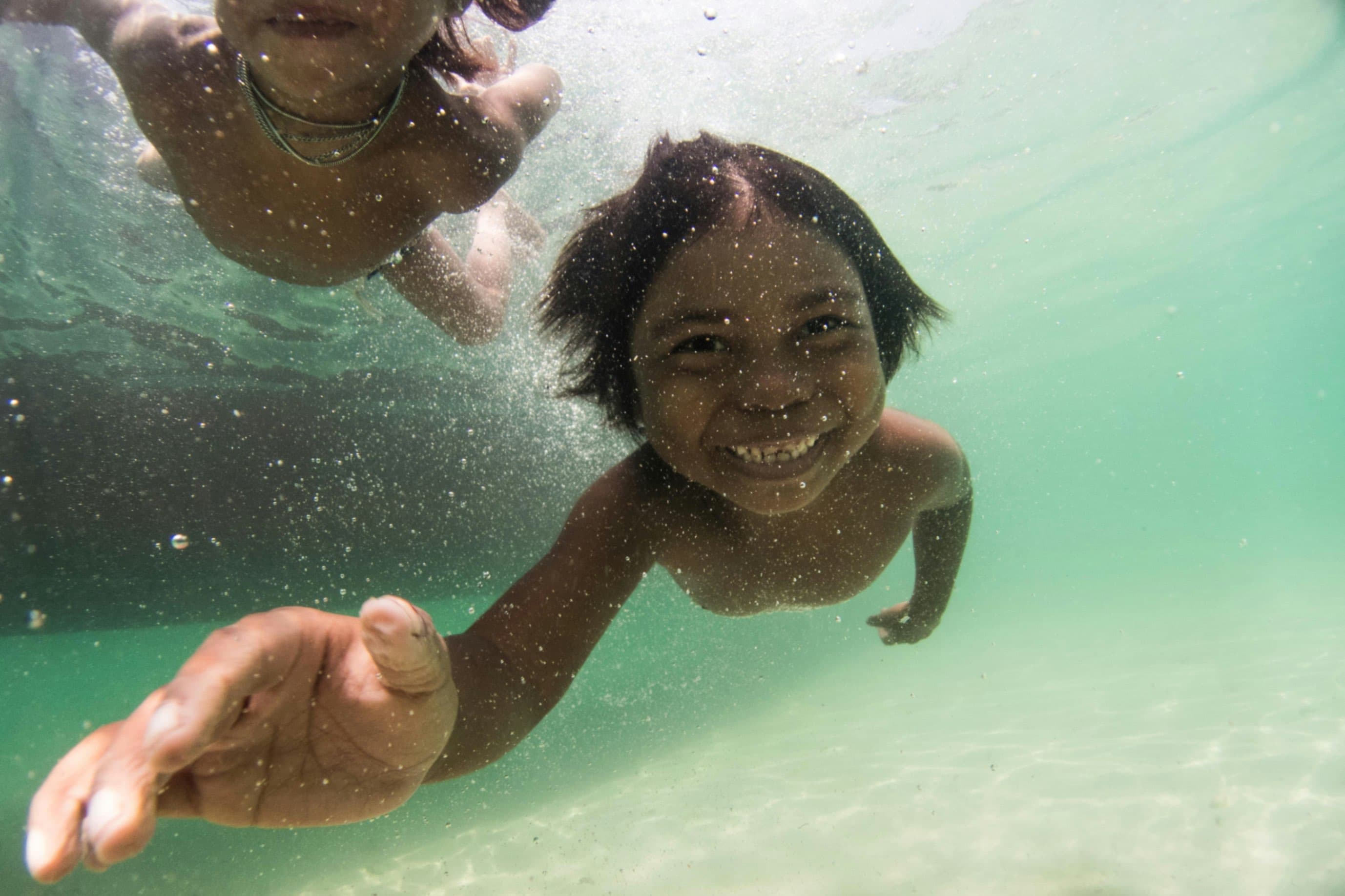
During this first week of spring- when many are still thawing out from a harsh winter- many children and parents are thinking back wistfully on the days spent at the pools and beaches as they look forward to summer. For many families, a day at the pool means laughter, splashing, and summer memories. It should never mean loss or fear. Yet drowning remains one of the leading causes of death for children in the United States, and the danger isn’t equal for everyone. Generations of families were unable to access safe places to swim or afford lessons, leaving behind fear where confidence could have been. However, through initiatives like the YMCA of the USA's (Y-USA) Swim Safety Program, children are learning not only how to survive in the water but how to thrive, gaining confidence, connection, and a sense that the water belongs to them too.
Parents and local officials...As summer registration for camps and activities, there are compelling reasons for ALL children to have access to swimming lessons. Besides being a fun, healthy summer activity, it could be a life-saving investment.
Drowning remains the second leading cause of unintentional injury death for children ages 1 to 14 in the United States, with significant disparities among racial and ethnic groups. According to the Centers for Disease Control and Prevention (CDC), Black children between the ages of 5 and 19 are 5.5 times more likely to drown in swimming pools than their White peers, a statistic that underscores systemic inequities in access to swim instruction and safe aquatic environments1. These disparities are rooted in historical and socio-economic factors, including limited access to public outdoor and indoor pools, generational fear of water, and a lack of affordable youth swim programs in marginalized communities.
The Y-USA's year-round Swim Safety Program, especially its core Safety Around Water (SAW) curriculum, offers a critical intervention point for addressing these disparities. By targeting children as young as three years old, the program promotes early water acclimation, builds foundational swim skills, and embeds water safety education at a formative developmental stage. When implemented in communities with limited recreational infrastructure, such programs can be life-saving. For example, a 2021 USA Swimming Foundation study found that 64 percent of Black children and 45 percent of Latino children have little to no swimming ability, compared to 40 percent of White children2. Early access to structured swim programs can help close this gap over time, particularly when integrated into broader youth development strategies.
Developmental and Health Benefits of Early Swim Instruction
Learning to swim at an early age contributes not only to safety but also to cognitive and motor development. A longitudinal study conducted by the Griffith Institute for Educational Research found that children who participated in early swim lessons achieved developmental milestones faster than their non-swimming peers. These milestones included improved balance, motor coordination, and visual-motor integration3. The structured, repetitive movements involved in swim instruction stimulate neural pathways that support learning, attention, and executive function.
Physical health outcomes are also positively impacted. Swimming is a full-body, low-impact activity that supports cardiovascular health, muscular strength, and endurance. For children in underserved communities, where access to safe outdoor play spaces may be limited, swim programs provide a structured environment for physical activity. The CDC recommends at least 60 minutes of physical activity daily for children, and swim lessons can be a key contributor to meeting this goal4. Additionally, participating in swim programs can help combat childhood obesity, a condition that disproportionately affects low-income and minority populations.
Programs like SwimLA in Los Angeles and the Chicago Park District’s Learn to Swim initiative have demonstrated how municipal efforts can expand access and improve outcomes. SwimLA, for instance, has provided free or low-cost swim lessons to thousands of children, leading to increased water competency and physical activity levels citywide. These examples highlight the scalable nature of aquatic programs and their capacity to deliver both individual and public health benefits.
Social and Emotional Development through Aquatic Programs
Beyond physical and cognitive development, swim programs foster emotional resilience and social cohesion. Group swim lessons require children to build trust with instructors and peers, follow directions, and manage anxiety or fear related to water. These experiences contribute to self-efficacy and confidence, which are critical components of social-emotional learning. Research from the Aspen Institute’s Project Play initiative has found that children engaged in youth sports, including swimming, demonstrate higher levels of teamwork, discipline, and emotional regulation5.
For children living in communities affected by trauma, poverty, or unstable housing, consistent participation in safe, structured programs like Y-USA’s Swim Safety Program and others can provide a stabilizing influence. The presence of caring adults, peer interaction, and predictable routines contributes to a sense of belonging and emotional safety. In Fort Worth, Texas, for example, aquatic centers partnered with local youth service agencies to offer after-school swim programs that include mentorship, homework help, and wellness education, creating a holistic support system for children facing adversity.
By integrating swim instruction into broader youth development services, local governments can create multi-benefit programs that address both immediate safety needs and long-term developmental goals. Aquatic programs thus serve as more than recreational outlets, they become platforms for nurturing resilience, social skills, and emotional well-being in young people.
Role of Local Governments in Supporting Swim Safety Initiatives
Local governments play a pivotal role in scaling and sustaining early swim education. While nonprofit organizations like Y-USA often lead program delivery, public partnerships are essential in ensuring reach and affordability. Municipal governments can support these efforts through direct funding, facility access agreements, or inclusion of swim instruction in public school curricula. For example, some cities have collaborated with community centers and school districts to mandate swim lessons as part of physical education, ensuring that all students have access regardless of income.
In areas where public pools have closed or fallen into disrepair, capital investments in aquatic infrastructure can have lasting effects. These facilities not only serve as venues for swim instruction but also function as community hubs for recreation, health promotion, and youth engagement. Federal and state grant programs, such as the Community Development Block Grant (CDBG) or the Every Kid Sports initiative, can be leveraged to support these investments. By prioritizing swim safety in broader youth development and public health strategies, local leaders can reduce injury rates and promote equity.
Evidence-Based Policy Recommendations
To maximize the impact of programs including Y-USA’s Swim Safety Program, policymakers should consider a set of evidence-based strategies. First, require swim proficiency assessments in elementary schools to identify children at risk and direct them to subsidized instruction. Second, implement sliding-scale fee structures or free lesson vouchers for families living below the poverty line. Third, invest in workforce development by training and certifying swim instructors from the communities being served, which builds trust and increases program participation.
Additionally, data collection and program evaluation are essential for continuous improvement. Local agencies should track participation rates, skill acquisition, and incident reductions to measure the effectiveness of interventions. Sharing this data with stakeholders, including school boards, parks departments, and community-based organizations, can build the case for sustained investment. Collaboration across agencies and sectors will be critical in making swim safety a standard component of youth services nationwide.
Integrating Water Safety into Youth Development
Swimming is more than a recreational activity, it is a critical life skill with far-reaching implications for health, development, and safety. Programs like the Y-USA's Swim Safety Program, SwimLA, and Learn to Swim offer a model for how early, equitable access to swim instruction can address systemic disparities and improve outcomes for children and youth. By embedding swim education into local youth development strategies, cities can not only reduce preventable drownings but also promote lifelong health and resilience.
Local governments, in partnership with nonprofit providers and state agencies, have a unique opportunity to lead this effort. With strategic investment, policy alignment, and a commitment to equity, swim safety programs can become a cornerstone of comprehensive youth services. The evidence is clear: early swim education saves lives, builds skills, and strengthens communities.
Bibliography
Centers for Disease Control and Prevention. “Unintentional Drowning: Get the Facts.” National Center for Injury Prevention and Control, 2023. https://www.cdc.gov/drowning/facts/index.html.
USA Swimming Foundation. “2017 Study on Swimming Ability of Children in the U.S.” USA Swimming, 2017. https://www.usaswimming.org/news/2017/05/16/usa-swimming-foundation-research.
Jorgensen, Robyn, et al. “Early-Years Swimming: Adding Capital to Young Australian Lives.” Griffith Institute for Educational Research, 2013. https://www.griffith.edu.au/__data/assets/pdf_file/0020/454441/Swim-Study-Report.pdf.
Centers for Disease Control and Prevention. “Physical Activity Facts.” Division of Nutrition, Physical Activity, and Obesity, 2022. https://www.cdc.gov/healthyschools/physicalactivity/facts.htm.
The Aspen Institute. “Sport for All, Play for Life: A Playbook to Get Every Kid in the Game.” Project Play, 2015. https://www.aspenprojectplay.org/strategy-reports/2020/1/20/sport-for-all-play-for-life.