Discipline Reimagined: How PBIS Turns Behavior into Opportunity
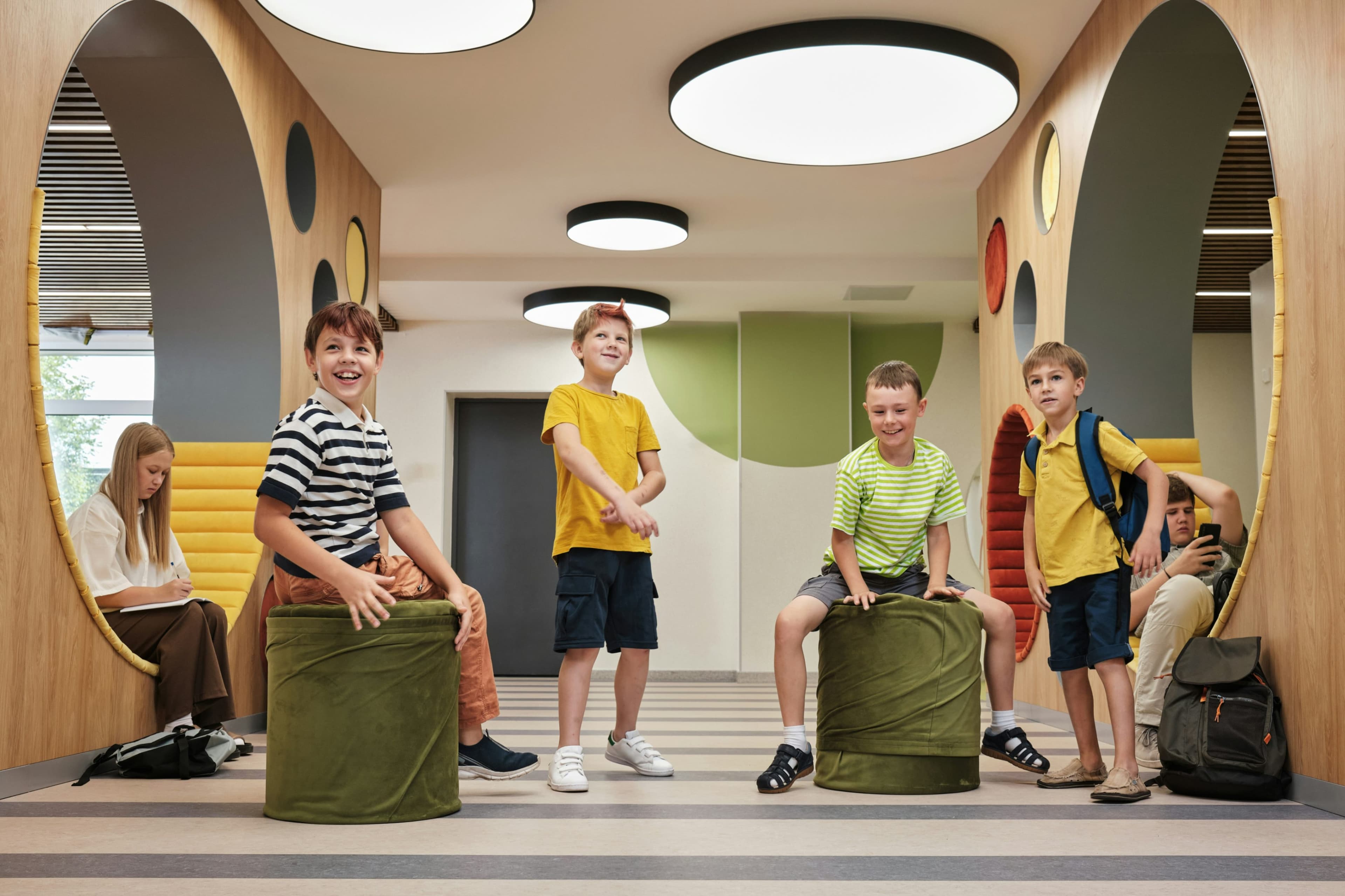
Imagine walking into a school where the air feels lighter, laughter fills the hallways, and discipline isn’t about punishment but possibility. That’s the promise of Positive Behavior Interventions and Supports (PBIS)- a framework that flips traditional behavior management on its head. Instead of focusing on what students do wrong, PBIS thrives on what they do right, creating a ripple effect of positivity that touches academics, relationships, and school culture itself. As more schools adopt this evidence-based approach, one thing is clear: improving behavior isn’t just about managing conduct- it’s about transforming communities of learning from the inside out.
The Role of PBIS in School Improvement
The Positive Behavior Interventions and Supports (PBIS) initiative represents an essential strategy for improving schools and student success. By focusing on reinforcing positive behavior and reducing instances of negative behavior, PBIS creates an environment conducive to learning and personal growth. The program is built on the premise that positive reinforcement encourages students to adopt desirable behaviors, thereby fostering a supportive school climate. PBIS's effectiveness lies in its systemic approach. By establishing clear behavioral expectations and consistently reinforcing them, schools can create a predictable and safe environment for students. This systematic implementation often leads to a reduction in disciplinary actions such as referrals and suspensions, as seen in numerous studies¹. In the school where I participated, the adoption of PBIS not only decreased behavioral issues but also enhanced the overall educational experience. This transformation was evident in improved student engagement and academic performance, highlighting the interconnectedness of behavior and learning.
Implementing PBIS: Strategies and Outcomes
The process of implementing PBIS involves several key strategies, each contributing to the overall effectiveness of the program. First, it requires the establishment of a leadership team dedicated to guiding the initiative's development and execution. This team is responsible for tailoring PBIS to the specific needs of the school, ensuring that the interventions are relevant and impactful. In my experience, this leadership group played a pivotal role in customizing the program to address the unique challenges faced by our student population. Moreover, ongoing training and professional development for staff members are critical components of PBIS implementation. Educators and support staff must be equipped with the skills necessary to consistently apply positive reinforcement techniques and manage behavioral issues effectively. In the school setting where PBIS was adopted, regular training sessions helped staff feel confident in their ability to support students, thereby creating a cohesive and supportive educational environment. The results were significant, with measurable improvements in both student behavior and academic outcomes².
Engaging Stakeholders in PBIS
Engagement of stakeholders, including parents, students, and the broader community, is vital to the success of PBIS. Involving these groups ensures that the program is not only school-centric but also supported beyond the school boundaries. Parents play a critical role in reinforcing positive behaviors at home, and their involvement can amplify the impact of PBIS. In our initiative, regular communication with parents through meetings and newsletters helped to align home and school expectations, fostering a consistent approach to behavior management. Additionally, student involvement is crucial for the sustainability of PBIS. Empowering students by involving them in setting behavioral expectations and recognizing their achievements fosters a sense of ownership and accountability. In our school, student-led initiatives such as peer mentoring and recognition programs contributed to a positive school culture. These efforts not only motivated students to strive for personal growth but also encouraged them to support their peers in doing the same³.
Evaluating the Impact of PBIS
Evaluation is an integral part of any school improvement initiative and PBIS is no exception. Continuous monitoring and assessment of the program's impact allow for data-driven decisions and adjustments. In our PBIS initiative, regular assessments were conducted to measure changes in student behavior and academic performance. These evaluations provided valuable insights into the program's effectiveness and highlighted areas for improvement. The data collected demonstrated a clear correlation between the implementation of PBIS and improved student outcomes. For instance, there was a notable decrease in disciplinary referrals and an increase in student attendance rates. These metrics, along with feedback from students and staff, underscored the positive impact of PBIS on the school environment. The success of PBIS in our school serves as a testament to the potential of structured, positive behavior support systems in driving meaningful school improvement4.
Lessons Learned and Future Directions
The implementation of PBIS in our school offered several valuable lessons that can inform future initiatives. One critical lesson was the importance of consistency and fidelity in applying PBIS practices. Ensuring that all staff members are committed to the program and apply its principles uniformly is essential for achieving desired outcomes. Additionally, flexibility in adapting the program to address the evolving needs of the student population proved crucial for maintaining its relevance and effectiveness. Looking ahead, the continued success of PBIS will depend on ongoing evaluation and refinement of the program. As schools face new challenges and opportunities, adapting PBIS to meet these changes will be essential. Future directions may include leveraging technology to enhance data collection and analysis, as well as expanding the program to include broader social-emotional learning components5. By continually evolving and improving PBIS, schools can sustain its positive impact and contribute to long-term school improvement.
Final Thoughts:
The participation in and response to school improvement planning through initiatives like PBIS demonstrate the powerful role that structured behavior support systems can play in enhancing educational environments. By focusing on positive reinforcement and stakeholder engagement, PBIS fosters a supportive and inclusive school culture. The success of PBIS in improving student outcomes highlights its potential as a valuable tool for educators and administrators committed to school improvement. As schools continue to seek effective strategies for fostering positive behavior and academic success, the lessons learned from PBIS can serve as a guiding framework for future initiatives.
Bibliography
Horner, R. H., Sugai, G., & Anderson, C. M. 2010. "Examining the Evidence Base for School-Wide Positive Behavior Support." Focus on Exceptional Children 42 (8): 1-14.
Bradshaw, C. P., Mitchell, M. M., & Leaf, P. J. 2010. "Examining the Effects of Schoolwide Positive Behavioral Interventions and Supports on Student Outcomes." Journal of Positive Behavior Interventions 12 (3): 133-148.
Simonsen, B., & Sugai, G. 2013. "PBIS in Alternative Education Settings: Positive Support for Youth with High-Risk Behavior." Education and Treatment of Children 36 (3): 3-14.
Freeman, J., Simonsen, B., McCoach, D. B., Sugai, G., Lombardi, A., & Horner, R. 2016. "Relationship Between School-Wide Positive Behavior Interventions and Supports and Academic, Attendance, and Behavior Outcomes in High Schools." Journal of Positive Behavior Interventions 18 (1): 41-51.
McIntosh, K., Mercer, S. H., Nese, R. N. T., & Ghemraoui, A. 2016. "Identifying and Predicting Distinct Patterns of Implementation in a School-Wide Behavior Support Framework." Prevention Science 17 (8): 992-1001.
More from Education
Explore related articles on similar topics