Teaching for Tomorrow: Skills That Outlast the Classroom
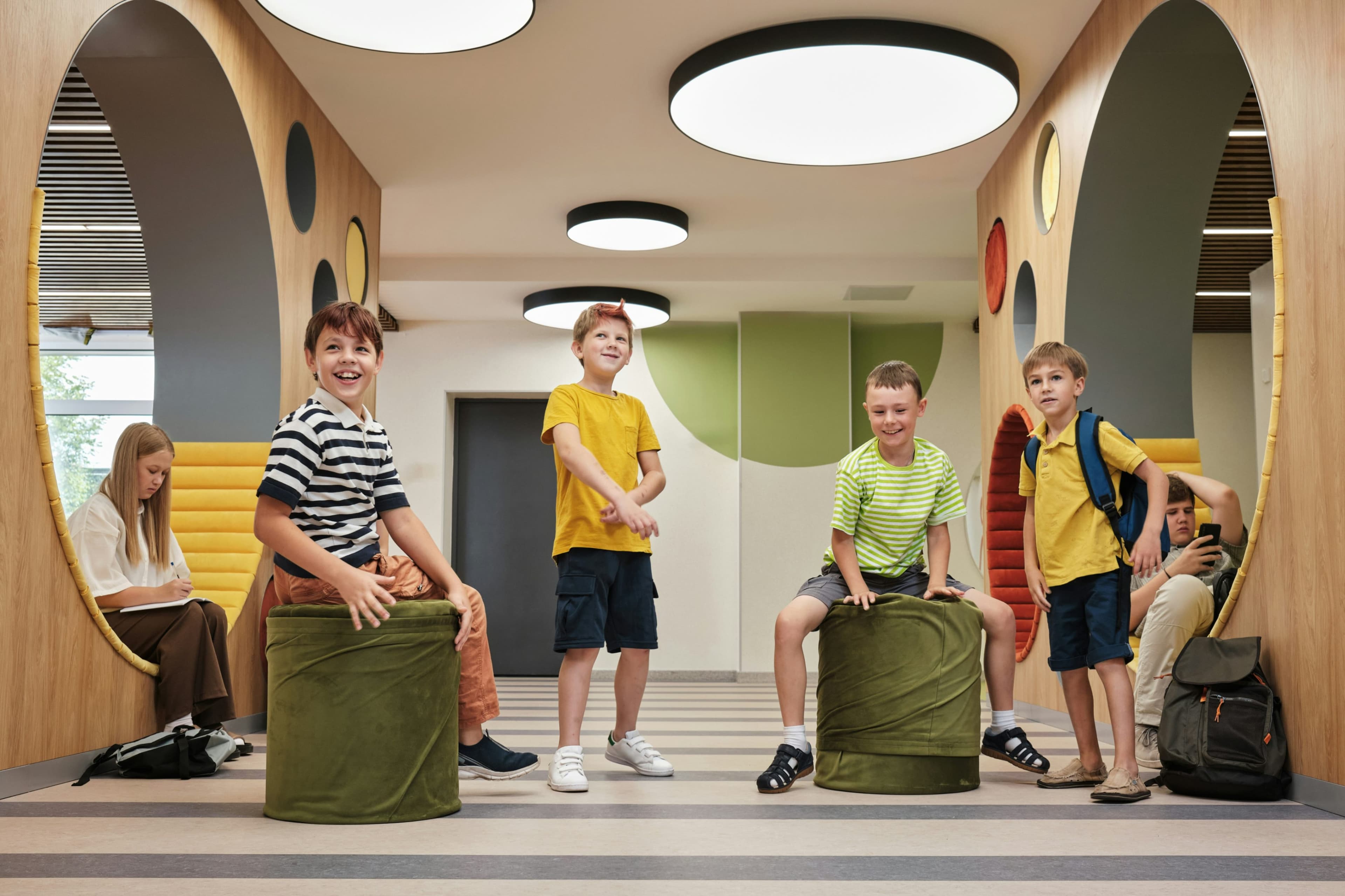
It starts in the hallway, not the classroom. A student misreads a tone, a group project derails over a misunderstanding, or a bright idea stalls because no one feels heard. These moments quietly shape futures as much as any exam. If schools want to prepare students for the real world, they have to teach what actually drives success in it: how we think, connect, adapt, and act when things are uncertain.
Developing Emotional Intelligence in Education
Emotional intelligence is not a soft skill. It is the operating system behind how students learn, lead, and respond under pressure. Students who can recognize their own emotions and read a room are better equipped to handle everything from test anxiety to team conflict. Picture a ninth grader who pauses before reacting to criticism, reframes it, and improves their work. That is emotional intelligence in motion.
Schools can build this deliberately. Social-emotional learning programs that focus on self-awareness, empathy, and emotional regulation give students tools they actually use daily. Short reflective exercises, peer feedback circles, and real-life scenario discussions can turn abstract ideas into lived habits. Research consistently shows that students with stronger emotional intelligence demonstrate better academic outcomes and leadership capacity. Classrooms that prioritize these skills also tend to feel safer and more inclusive, which reinforces learning for everyone.
Incorporating Digital Literacy and Technological Skills
Today’s students are surrounded by information, but not all of it is trustworthy, useful, or safe. Digital literacy is about far more than knowing how to use a device. It is about judgment. It is the difference between sharing a misleading headline and questioning its source, between scrolling passively and creating something meaningful.
Effective classrooms treat technology as a tool for thinking, not just consumption. A history class might ask students to compare conflicting online sources about the same event. A science teacher might have students collaborate on shared documents to design solutions to real problems. These experiences build critical evaluation skills and creativity at the same time. When students learn to question, verify, and create, they become active participants in the digital world rather than passive users.
Fostering a Global Perspective
A student in New York can collaborate with a peer in Nairobi or Seoul as easily as with a classmate across the room. That reality makes global awareness essential. Understanding different cultures and perspectives is no longer a bonus skill. It is foundational.
Schools can bring the world into the classroom through curriculum, conversation, and connection. Lessons that link local issues to global trends help students see how interconnected challenges like climate change or economic inequality really are. Virtual exchanges, guest speakers, and partnerships with international classrooms can make these ideas tangible. When students hear directly from peers in other parts of the world, empathy stops being theoretical and becomes personal.
Enhancing Collaborative and Teamwork Skills
Few careers today reward isolated brilliance. Most demand collaboration under tight deadlines, with diverse personalities and competing ideas. Yet teamwork is rarely taught with the same intention as math or writing.
Students need structured opportunities to practice working together. That means more than assigning group projects. It means teaching how to listen actively, divide responsibilities fairly, and resolve conflict without shutting others down. A well-run group project where roles are clear and reflection is built in can transform how students view collaboration. They begin to understand that strong teams are not about agreement. They are about navigating differences productively.
Teachers play a critical role here by modeling respectful dialogue and guiding students through disagreements rather than stepping in to solve them. These moments, though sometimes messy, are where real growth happens.
Promoting Lifelong Learning and Adaptability
The most valuable skill students can develop may be the ability to keep learning long after formal education ends. Careers shift, industries evolve, and the most successful people are those who adapt without losing momentum.
Classrooms that encourage curiosity and ownership help build this mindset. Inquiry-based learning, where students explore questions that matter to them, fosters intrinsic motivation. When students see learning as something they drive, not something done to them, they become more resilient.
Angela Duckworth’s research on grit underscores this idea. Persistence and passion over time often matter more than raw talent. Her examples, from military cadets to competitive spellers, show that sustained effort is what turns potential into achievement. Schools that normalize struggle as part of growth prepare students not just to succeed once, but to keep succeeding as conditions change.
Building a Future-Ready Education System
A future-ready education system is not defined by a single innovation. It is defined by alignment. Emotional intelligence, digital literacy, global awareness, collaboration, and adaptability are not separate initiatives. They reinforce one another.
Leaders and educators have an opportunity to rethink what success looks like in school. It is not just test scores or graduation rates. It is whether students leave equipped to navigate complexity, build relationships, and continue growing in unpredictable environments.
This shift does not require a complete overhaul overnight. It starts with intentional choices in classrooms, curricula, and conversations. Small changes, consistently applied, can reshape how students experience learning.
The question is no longer whether these skills matter. It is whether we are willing to prioritize them. The next time a lesson is planned or a policy is drafted, there is a simple test: does this help students handle the real world, or just the next exam? The answer will determine the kind of future we are building, one classroom at a time.
References
Goleman, Daniel. 1995. Emotional Intelligence: Why It Can Matter More Than IQ. New York: Bantam Books.
Collaborative for Academic, Social, and Emotional Learning (CASEL). 2022. “What Is SEL?” Accessed October 15, 2023. https://casel.org/what-is-sel/.
International Society for Technology in Education (ISTE). 2023. “ISTE Standards for Students.” Accessed October 15, 2023. https://www.iste.org/standards/for-students.
Mansilla, Veronica Boix, and Anthony Jackson. 2011. Educating for Global Competence: Preparing Our Youth to Engage the World. New York: Council of Chief State School Officers.
Johnson, David W., and Roger T. Johnson. 1999. Learning Together and Alone: Cooperative, Competitive, and Individualistic Learning. Boston: Allyn & Bacon.
Fullan, Michael. 2013. The New Meaning of Educational Change. 4th ed. New York: Teachers College Press.
Duckworth, Angela. 2016. Grit: The Power of Passion and Perseverance. New York: Scribner.
More from Education
Explore related articles on similar topics