How Do We Prepare Students for the Future While Honoring Their Present?
It was the smell of popcorn and the sound of laughter that hit me first.
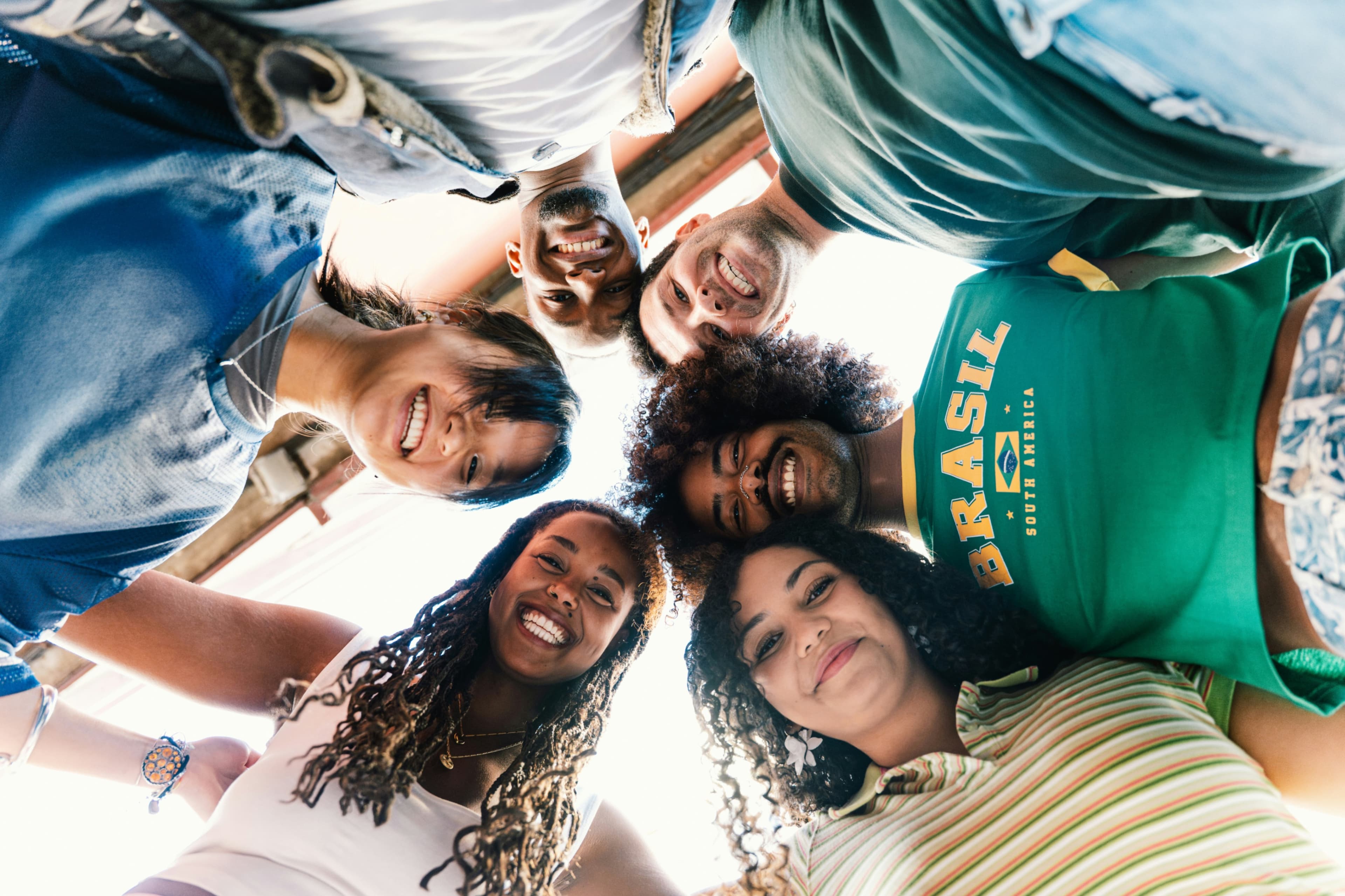
By mid-afternoon, our field had transformed. Students moved from booth to booth with cotton candy in hand. Music filled the air. Teachers laughed alongside students they usually see in rows of desks. Families gathered, watched, and joined in. Today was our school carnival, and for a few hours, Richmond Hill High School felt less like a building and more like a heartbeat.
Moments like this remind me of something we cannot afford to forget: our students are not just preparing for life. They are living it right now.
School is not only about the future. It is also about the memories we help create today.
Rigor Meets Relevance
As principal, I spend a lot of time thinking about preparation. What does it really mean to prepare a student for what comes next?
Rigor matters. But rigor without relevance is just pressure.
At Richmond Hill High School, we have made a deliberate commitment to connect learning to life. Through partnerships with 16 colleges and universities, our students are not waiting for the future to begin. They are stepping into it now.
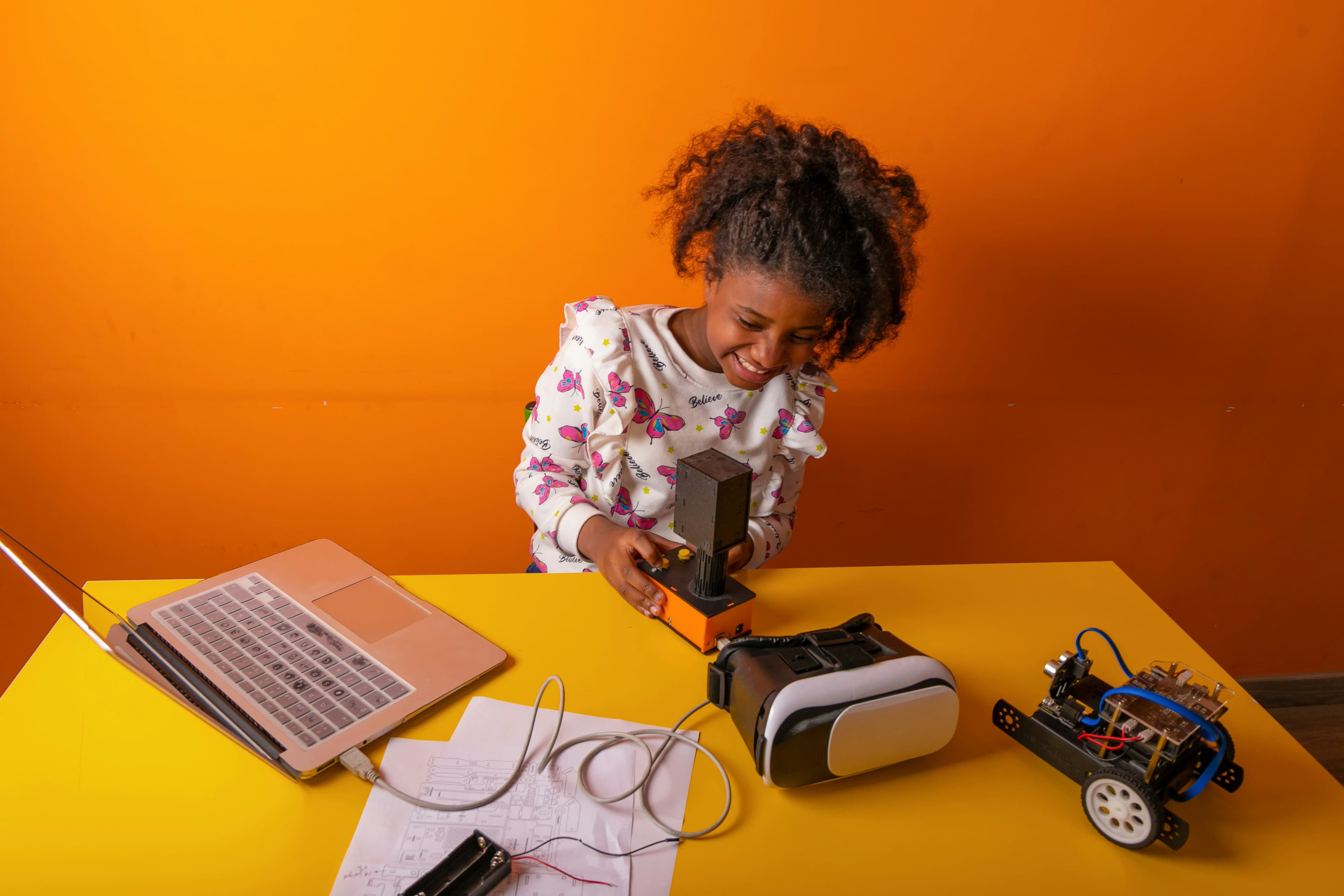
They are earning college credits before they graduate. They are walking into internships where expectations are real and feedback matters. They are meeting mentors who expand what they believe is possible. They are learning by doing, not just by listening.
Opportunity changes posture. It changes how students carry themselves, how they speak, how they think about tomorrow.
Research backs this up. Students who participate in early college programs are significantly more likely to enroll in and complete college (American Institutes for Research 2023). But the real shift is something you can feel before you can measure.
Students stop asking for permission to dream. They start making plans.
Exposure creates belief. Belief creates momentum.
The Other Half of Success
But there is another truth we have to hold onto.
Academic rigor is essential. It is not sufficient.
The same students who are taking college courses and building resumes were also running today’s carnival via the Academy of Hospitality and Tourism. They were organizing logistics, solving problems in real time, welcoming families, and creating something joyful for others. That is not extra. That is education.
They were building confidence in ways no worksheet can replicate. They were practicing communication without a rubric. They were strengthening relationships that will outlast any class.
Belonging is not a soft outcome. It is a powerful driver of success.
CASEL reports that strong social and emotional learning can increase academic performance by up to 11 percentile points (CASEL 2022). Students do better when they feel better.
Connection fuels commitment. When students feel seen, they show up differently.
Building a School That Feels Like Home
A great school is not defined only by what it teaches. It is defined by how it feels. Today’s carnival was a reminder of what is possible when a community comes together with purpose.
Success occurs at the intersection of collaboration and commitment. Teachers showed up and gave their time freely. Their presence sent a clear message that school and home are not separate worlds. Local businesses contributed resources and support. They reminded our students that their community is invested in their success. Students took ownership of the event from start to finish. They planned, led, adapted, and delivered. Pride was visible in every detail. Staff stepped into roles that went beyond instruction. They laughed, encouraged, participated, and connected.
This is what trust looks like in action.
Culture is not built in big speeches. It is built in shared moments.
In a system as large as the New York City Department of Education, creating a sense of home is not a luxury. It is a necessity. NYC DOE data shows that students who feel a strong sense of belonging are more likely to attend consistently and perform well academically (NYC DOE 2024).
Students do not thrive in places where they feel like visitors. They thrive where they feel like they belong.
Balancing Excellence and Experience
The real work is not choosing between excellence and experience. It is committing to both, every day. We can challenge students and celebrate them. We can push them academically and create space for joy. We can prepare them for the future while honoring who they are right now. Because years from now, students may forget specific assignments or exams.
But they will remember how they felt.
They will remember the teacher who believed in them before they believed in themselves.
They will remember the first time they stepped into a real-world opportunity and realized they belonged there.
They will remember days like today, when school felt alive.
Memories matter. They shape identity. Identity shapes direction.
Putting the Ball in Your Court
If we are serious about preparing students for the world ahead, we have to think bigger about what school can be.
Not just rigorous, but meaningful.
Not just structured, but human.
Not just effective, but unforgettable.
Our students are ready for more.
The question is simple: are we ready to give it to them?
Because the kind of school we build today will shape the kind of lives our students believe they can live tomorrow. Wherever their paths lead next, may they leave knowing that belonging is not something they find, but something they bring.
References
American Institutes for Research. 2023. The Impact of Dual Enrollment on College Access and Success. Washington, DC.
Collaborative for Academic, Social, and Emotional Learning (CASEL). 2022. What Does the Research Say? Chicago, IL.
New York City Department of Education. 2024. NYC School Climate and Student Experience Surveys. New York, NY.
Organisation for Economic Co-operation and Development (OECD). 2021. Beyond Academic Learning: First Results from the Survey of Social and Emotional Skills. Paris.