When the Camera Clicks, Justice Sticks: Objectivity on the Road
Racial profiling in traffic stops and the escalation of some police-motorist interactions to violence are deeply concerning societal challenges. Communities are grappling with ways to foster trust and ensure equitable treatment. Emerging as a promising tool to mitigate these critical issues are automated enforcement technologies. By removing human discretion from routine traffic enforcement, these systems hold the potential to reduce racial bias and decrease the likelihood of dangerous confrontations.1
The Problem with Discretionary Stops
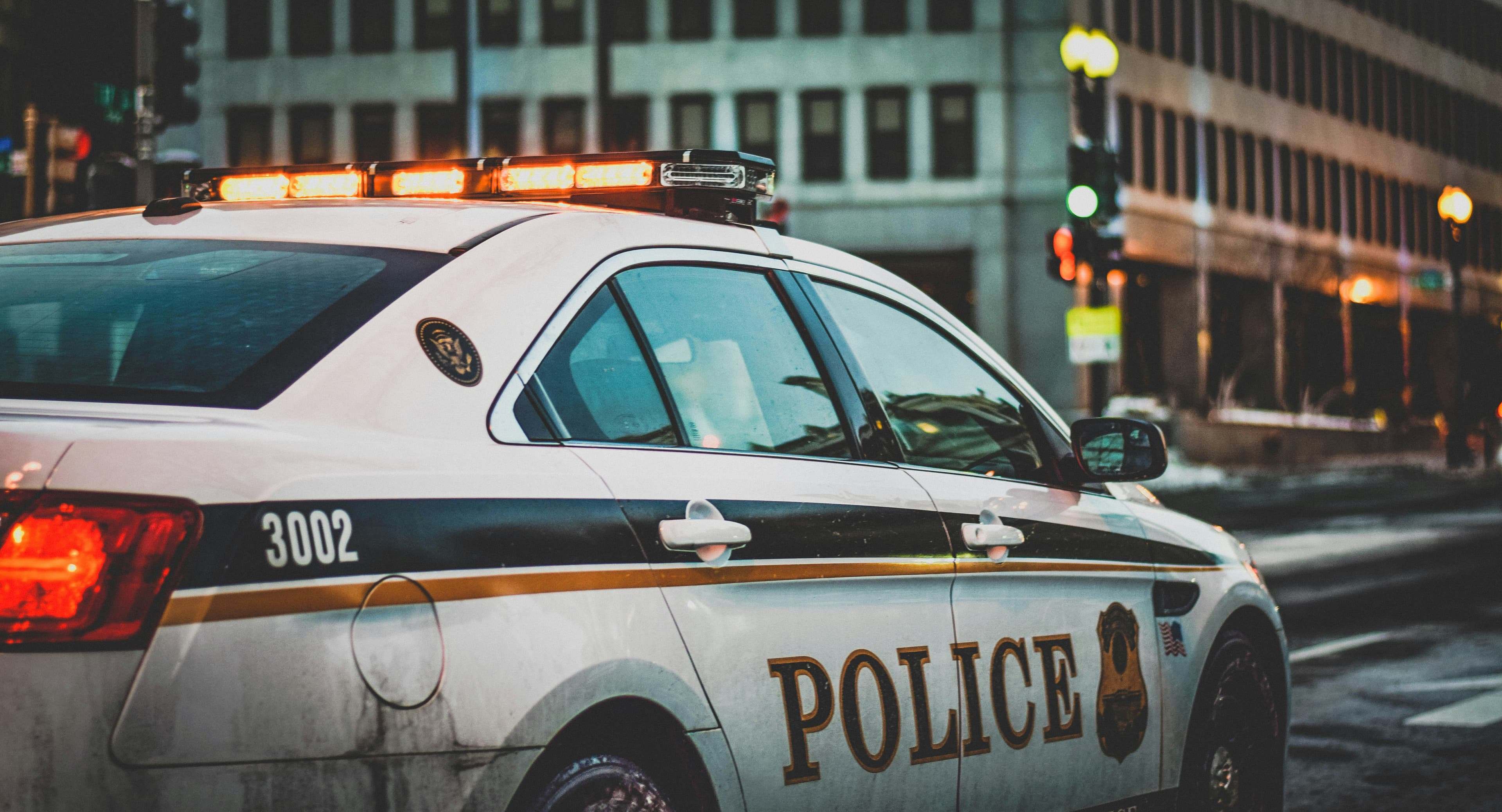
Traditional traffic enforcement, reliant on officers pulling over vehicles for violations, has long been a flashpoint for accusations of racial profiling. Studies consistently demonstrate that Black drivers are disproportionately stopped and cited compared to their White counterparts, even when accounting for driving behavior2. This "driving while Black" phenomenon erodes public trust, creates feelings of injustice, and contributes to a climate of fear, particularly within marginalized communities. Additionally, any traffic stop, regardless of its initial intent, carries an inherent risk of escalation, sometimes leading to severe injuries or even fatalities2.
Automated Enforcement: A Mechanism for Impartiality
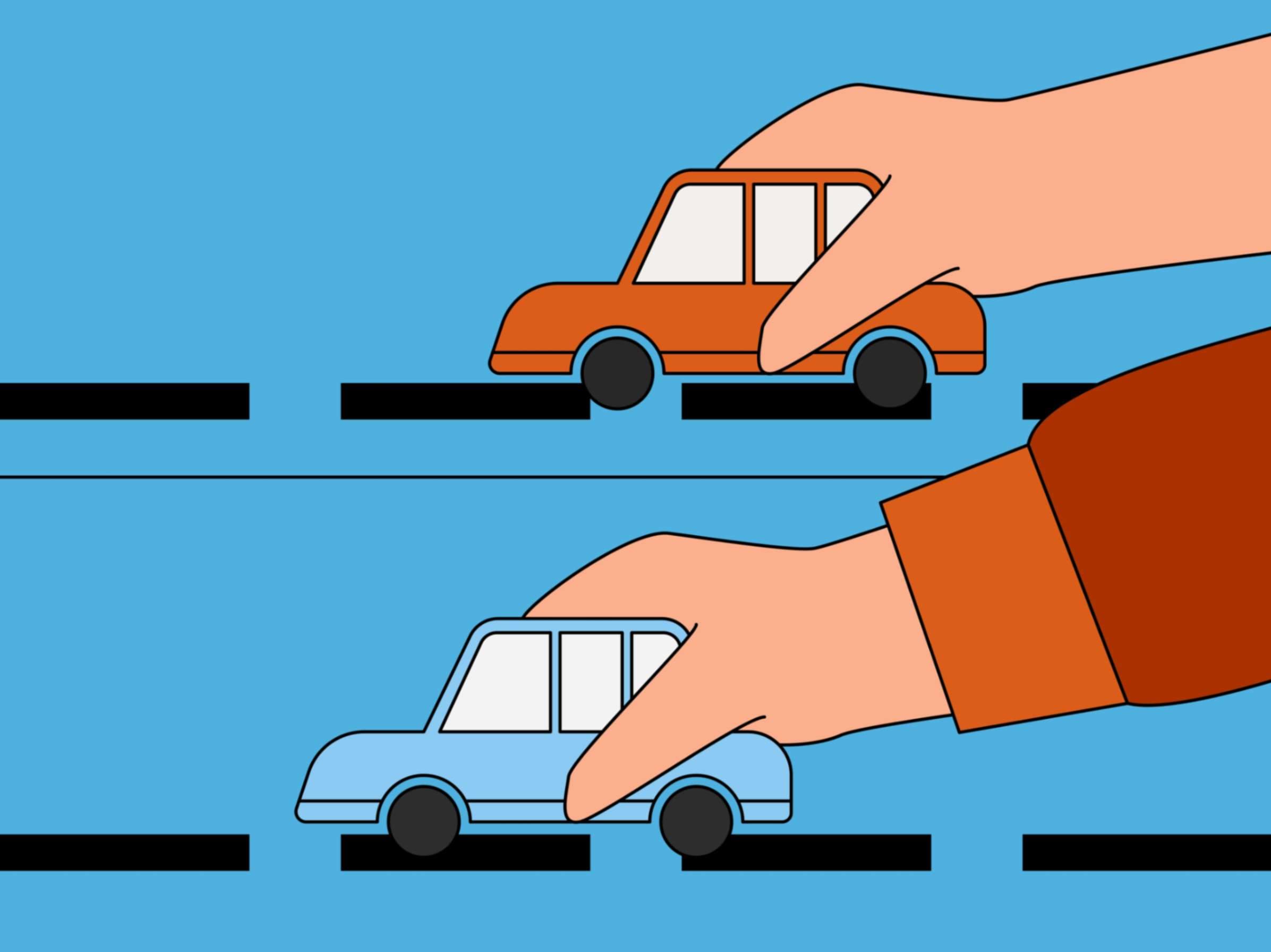
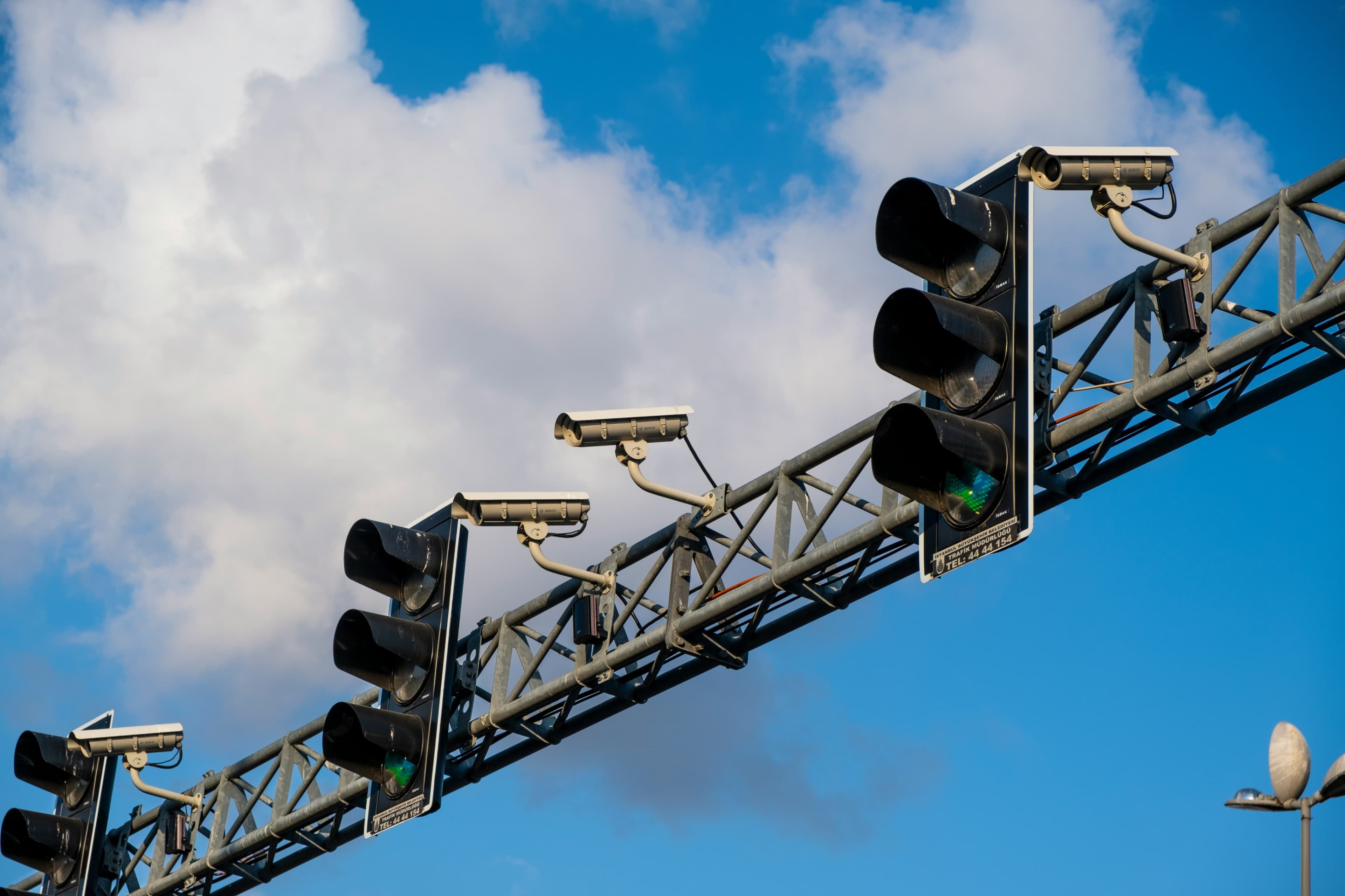
Automated enforcement systems, such as red-light cameras and speed cameras, fundamentally alter this dynamic by replacing human judgment with objective technology. When a vehicle runs a red light or exceeds the speed limit, the camera captures the violation, and a citation is generated based solely on the objective evidence. There is no human officer making a subjective decision about who to pull over, eliminating the opportunity for implicit or explicit bias to influence the enforcement process1.
A recent study published in the Proceedings of the National Academy of Sciences highlighted this impartiality. Researchers compared data from camera-generated speeding tickets with police stops and found a stark difference: while Black drivers did receive tickets from cameras, the distribution largely reflected the overall driver demographics on those roads, suggesting impartial enforcement. In contrast, police stops showed a clear racial disparity, with Black drivers being more likely to be pulled over3.
Reducing Negative Interactions and Freeing Police Resources
Beyond addressing racial bias, automated enforcement also significantly reduces the need for direct police-motorist interactions for minor traffic infractions. This has several crucial benefits. Firstly, it minimizes the potential for misunderstandings or escalations that can sometimes turn routine stops into dangerous encounters for both officers and civilians. With cameras handling a significant portion of traffic enforcement, officers are freed up to focus on more serious criminal activity and community engagement, fostering a more positive relationship with the public1.
While the primary goal of these systems is traffic safety, their ability to create a more equitable and less confrontational enforcement environment is a powerful secondary benefit. It's important to acknowledge that the location of cameras must be carefully considered to avoid inadvertently burdening already underserved communities with an excessive number of citations. Transparent data sharing and community input in deployment decisions are crucial for ensuring equitable implementation1.
Automated enforcement offers a compelling pathway towards reducing racial profiling and de-escalating potentially volatile police-motorist interactions. By shifting from discretionary human intervention to objective technological enforcement for routine traffic violations, we can move closer to a fairer, safer, and more trustworthy system of traffic law enforcement for all.
Miller, Ben, and Joseph B. Kuhns. "Automated traffic enforcement technology: Implications for racial bias and public safety." Journal of Urban Affairs 43, no. 4 (2021): 525-538.
Petrocelli, Matthew, Alex R. Piquero, and Michael R. Smith. "Conflict theory and racial profiling: An empirical analysis of police traffic stop data." Journal of Criminal Justice 31, no. 1 (2003): 1-11.
Roach, Michael A., and Paul J. Gugliotta. "The effect of automated traffic enforcement systems on racial profiling in traffic stops: A case study." Journal of Urban Affairs 40, no. 1 (2018): 100-116.
More from 3 Topics
Explore related articles on similar topics