Whales, Wisdom, and the Waterfront: How Conservation Education Inspires Stewardship
Building on my experience as a Marine Mammal Research & Education Intern, I expanded my focus on conservation education by developing interactive outreach activities that translated complex ecological data into accessible public knowledge. By integrating live interpretation with visual aids such as species identification guides, migration maps, and tactile biofacts, I facilitated learning experiences for audiences of varying ages and backgrounds. This approach promoted not only awareness but also a sense of stewardship among visitors, reinforcing the importance of individual and collective actions in marine conservation. Effective education programs must bridge the gap between scientific research and public understanding. Practical strategies for this include tailoring content to local ecological issues, involving community members in citizen science initiatives, and partnering with schools to integrate marine conservation into curricula. Studies show that hands-on environmental education improves both knowledge retention and pro-environmental behavior among participants (Ballantyne and Packer 2009)1. By aligning educational materials with local species and conservation challenges, such as entanglement risks for North Atlantic right whales, educators can foster deeper community investment in protection efforts.
Integrating Field Data Collection with Long-Term Conservation Goals
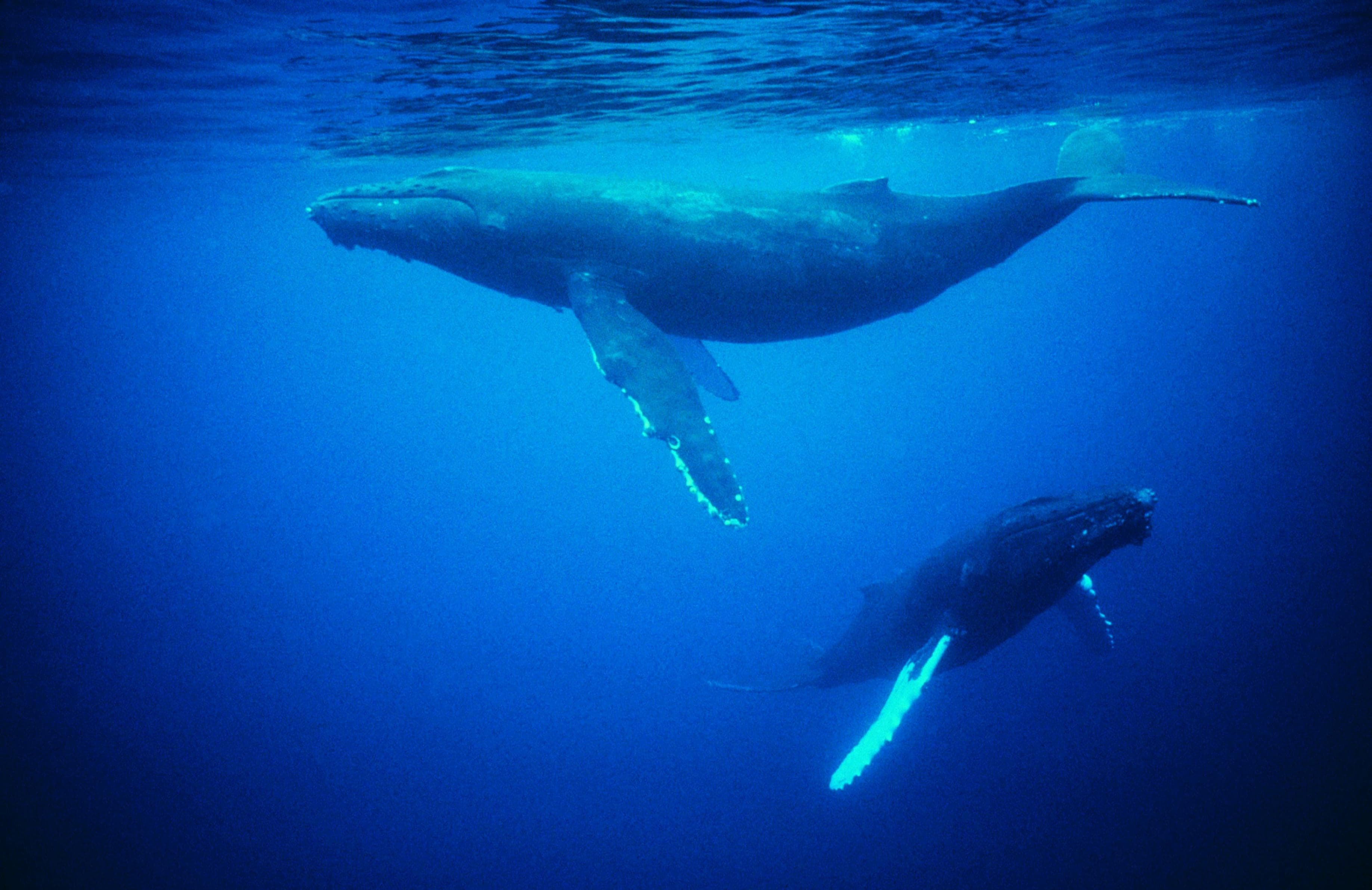
During field surveys, I participated in the systematic collection of behavioral, spatial, and environmental data, which contributed to the Center for Coastal Studies' long-term humpback whale monitoring project. These datasets are critical for identifying shifts in migration patterns, feeding behaviors, and calf survivorship, all of which are sensitive to climate variability and human activity. For example, vessel traffic and fishing gear interactions are key stressors for many whale populations, and longitudinal data helps inform targeted policy responses such as seasonal speed restrictions and gear modifications (NOAA 2023)2. Municipal governments and regional planning agencies can leverage this kind of ecological data to inform coastal development decisions, permitting processes, and emergency response planning. For instance, integrating marine mammal habitat data into shoreline zoning can reduce anthropogenic pressures in critical feeding and breeding areas. Collaborations between researchers, harbor authorities, and local planners improve the effectiveness of marine spatial planning, ensuring that conservation priorities are embedded into economic and infrastructure development strategies (Douvere 2008)3.
Designing Conservation Materials to Support Public Programming
In support of naturalist programming, I designed educational fact sheets focused on baleen whale species, incorporating scientific data, conservation status, and species-specific adaptations. These materials were distributed during public cruises and used in pre-trip briefings to enhance visitor preparedness and engagement. Effective conservation communication tools must combine scientific accuracy with visual clarity and narrative storytelling. Including species threats such as entanglement and noise pollution informs audiences while also encouraging behavioral change. For cities and towns developing interpretive signage or environmental education campaigns, it is essential to use data-driven content that is relevant to the local ecology. Municipal environmental departments can collaborate with regional aquariums, universities, and conservation NGOs to co-produce materials that are both scientifically sound and culturally resonant. For example, signage at waterfronts or marinas can highlight local marine species, current research efforts, and tips for reducing pollution or reporting marine mammal sightings. These tangible communication efforts can significantly enhance public participation in conservation initiatives (Jacobson, McDuff, and Monroe 2006)4.
Applying Conservation Experience to Local Policy and Planning
My background in marine mammal research has direct applications in local government policy and environmental planning. For example, data on whale migration and vessel interactions can support municipal ordinances that regulate jet ski activity or designate quiet zones in high-density marine habitats. Local governments can also incorporate marine conservation goals into their climate action plans, coastal resilience strategies, and biodiversity assessments. One actionable step for local officials is to establish advisory committees that include scientists, educators, and community stakeholders to guide conservation priorities. These bodies can help review development proposals for ecological impact, advise on habitat restoration projects, and ensure that marine conservation is reflected in land use and transportation planning. For coastal communities, this might mean implementing seasonal restrictions on dredging or incentivizing sustainable boating practices through harbor management policies. Evidence-based planning grounded in ecological monitoring leads to more resilient and adaptive environmental governance at the local level (Beatley 2009)5.
Building Interagency Partnerships for Broader Impact
Collaboration is essential for effective conservation, particularly when dealing with migratory species like whales that traverse multiple jurisdictions. During my internship, coordination between the New England Aquarium, the Center for Coastal Studies, and NOAA created a seamless data-sharing network that strengthened research outcomes and public education efforts. Local governments can replicate this model by forming partnerships with academic institutions, federal agencies, and community-based organizations to align conservation goals. For example, municipal departments can coordinate with state wildlife agencies to monitor shoreline species or implement marine debris removal programs in partnership with local nonprofits. These collaborations not only expand the reach of conservation efforts but also increase access to funding, technical expertise, and volunteer networks. Shared data platforms and joint training opportunities further enhance the capacity of local staff to integrate environmental considerations into daily operations, from infrastructure maintenance to tourism planning (Imperial 1999)6.
Conclusion: Embedding Conservation into Everyday Governance
The practical lessons learned through fieldwork and public engagement can inform broader strategies for environmental governance. By translating scientific knowledge into policies, education, and planning tools, local governments can play a pivotal role in protecting marine ecosystems and promoting sustainable practices. Whether through interpretive programming, habitat protection ordinances, or interagency partnerships, there are numerous entry points for integrating conservation into community life. For students and practitioners in public administration, the key takeaway is that environmental stewardship is not a separate function but a foundational aspect of effective governance. Conservation principles can be incorporated into everything from budgeting and procurement to infrastructure design and community outreach. With the right data, partnerships, and communication tools, local leaders can drive meaningful environmental outcomes that benefit both ecosystems and residents.
Bibliography
Ballantyne, Roy, and Jan Packer. 2009. "Introducing a fifth pedagogy: Experience-based strategies for facilitating learning in natural environments." Environmental Education Research 15, no. 2: 243-262.
National Oceanic and Atmospheric Administration (NOAA). 2023. "Reducing Ship Strikes to North Atlantic Right Whales." Accessed March 12, 2024. https://www.fisheries.noaa.gov/national/endangered-species-conservation/reducing-ship-strikes-north-atlantic-right-whales.
Douvere, Fanny. 2008. "The importance of marine spatial planning in advancing ecosystem-based sea use management." Marine Policy 32, no. 5: 762-771.
Jacobson, Susan K., Melanie D. McDuff, and Martha C. Monroe. 2006. Conservation Education and Outreach Techniques. Oxford: Oxford University Press.
Beatley, Timothy. 2009. Planning for Coastal Resilience: Best Practices for Calamitous Times. Washington, DC: Island Press.
Imperial, Mark T. 1999. "Institutional analysis and ecosystem-based management: The institutional analysis and development framework." Environmental Management 24, no. 4: 449-465.
More from Conservation and the Environment
Explore related articles on similar topics