Tickets to Survival: How Your Zoo Visit Helps Save Species on the Brink
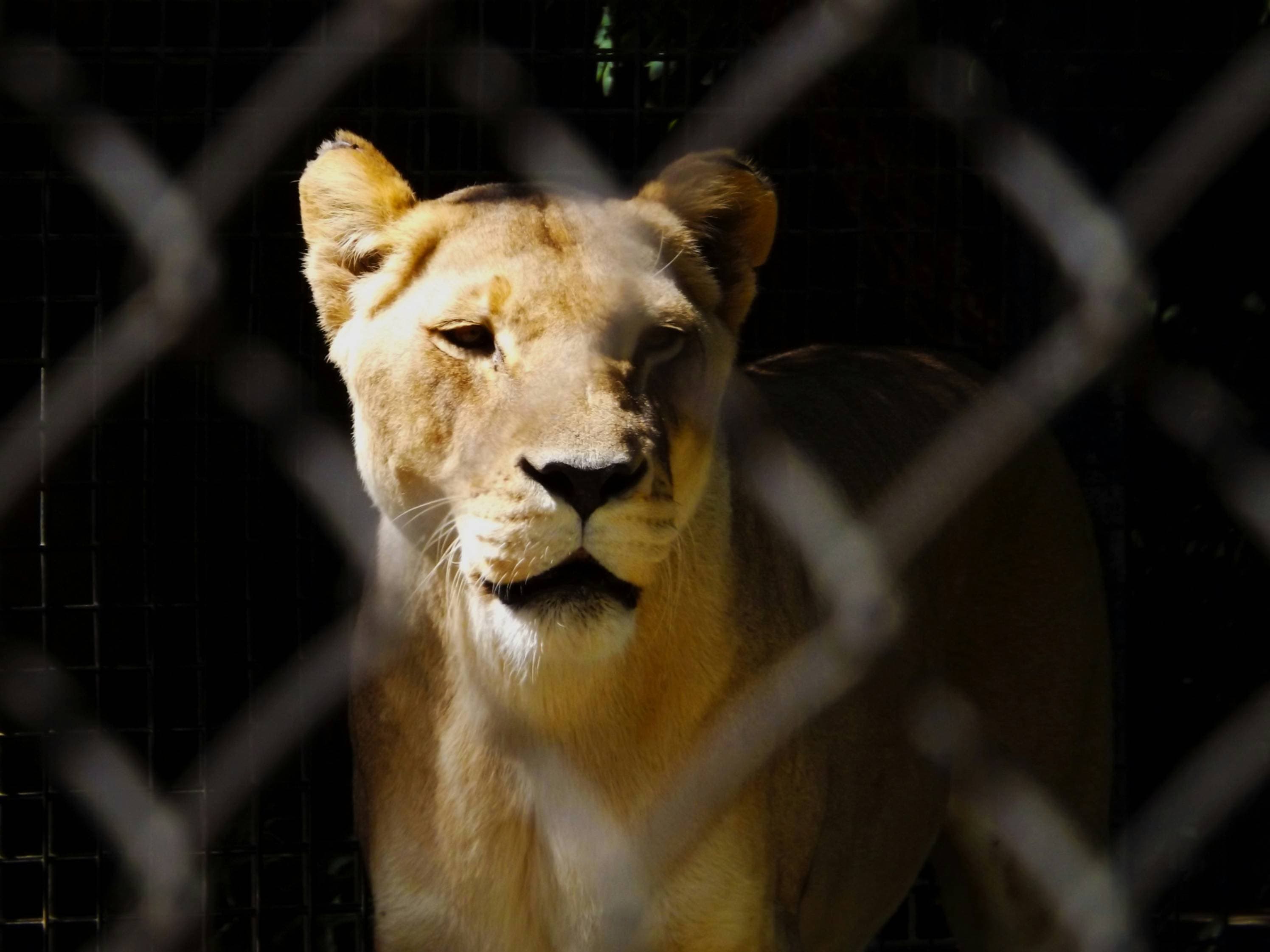
Once little more than concrete cages and Sunday-afternoon spectacles, today’s zoos and aquariums are quietly becoming some of the most powerful players in the fight against extinction. Behind the souvenir stands and selfie spots, they’re running high-stakes breeding programs, wiring money and expertise to field teams on the front lines, and using every visit as a chance to turn casual guests into committed conservationists. But can a place built on captivity truly claim to save wildlife—and what happens when the animals on display become society’s moral mirror? This article pulls back the curtain on the science, politics, and ethics reshaping modern zoos and aquariums, and asks whether they are evolving fast enough to help rescue a planet in crisis.
Many modern zoos and aquariums have evolved beyond being centers for public entertainment and have taken on a proactive role in species preservation and biodiversity protection. Through initiatives like Species Survival Plans (SSPs), which are coordinated by the Association of Zoos and Aquariums (AZA), these institutions actively manage the genetic diversity and population sustainability of hundreds of species, particularly those under threat in the wild. SSPs are science-based breeding programs that aim to maintain healthy animal populations with long-term viability, often serving as a potential genetic reservoir for future reintroductions into the wild when appropriate conditions are met. These programs are not limited to charismatic megafauna but also include amphibians, invertebrates, and lesser-known species that face critical threats in their natural habitats1.
Beyond breeding programs, many zoos and aquariums support in-situ conservation projects worldwide. These efforts involve funding and collaborating with field researchers, habitat restoration experts, and local communities to protect species in their native environments. For instance, the Wildlife Conservation Society, which operates the Bronx Zoo, supports programs in more than 60 countries that protect wildlife habitats, manage human-wildlife conflict, and combat illegal poaching and trafficking2. These global projects are often funded in part by visitor admissions and donations, illustrating how visitor engagement can directly contribute to broader conservation outcomes. This model enhances public awareness while channeling resources toward field conservation efforts.
Challenges in Captive Breeding and Species Reintroduction
While captive breeding serves as a vital tool for conservation, it is not a universal solution. Reintroducing captive-bred animals into the wild presents considerable challenges. These include ensuring that animals have the necessary survival skills, addressing habitat loss, and managing disease risk. Animals raised in captivity may lack the behavioral competencies needed to survive in natural ecosystems, such as predator avoidance or foraging skills. Conservation biologists must carefully assess whether the habitat can support reintroduced populations and whether the threats that led to the species' decline have been adequately addressed. Without this groundwork, reintroductions are likely to fail or place animals at risk3.
Successful reintroduction programs, such as those for the California condor and the Arabian oryx, have required decades of collaboration, funding, and public support. These efforts often involve multiple stages, including pre-release training, soft releases with monitoring, and post-release support. Zoos and aquariums participating in such programs must coordinate with governmental agencies, land managers, and conservation organizations to align objectives and ensure long-term sustainability. While the logistical and financial burdens are significant, these efforts have yielded measurable benefits for species recovery when executed with stringent planning and ecological consideration4.
Environmental Education as a Conservation Strategy
A core component of modern zoos and aquariums is public education, which plays a critical role in shaping conservation attitudes and behaviors. These institutions provide interactive exhibits, live demonstrations, and educational programming designed to engage diverse audiences, including school groups, families, and community organizations. According to a study by the World Association of Zoos and Aquariums (WAZA), over 700 million people visit zoos and aquariums annually, creating significant opportunities for conservation messaging and behavioral change5. Educational programming that connects visitors emotionally and intellectually with wildlife can lead to increased support for conservation policies, donations to environmental causes, and lifestyle changes that benefit biodiversity.
Effective conservation education goes beyond passive observation. Many institutions now implement inquiry-based learning and citizen science initiatives that encourage active participation. For example, programs that involve guests in data collection, such as tracking local bird populations or monitoring water quality, give visitors a sense of ownership in conservation outcomes. These educational strategies are particularly valuable for urban communities where access to natural environments may be limited. By fostering ecological literacy and stewardship, zoos and aquariums help cultivate the next generation of conservation advocates and informed citizens who can influence environmental policy and community planning6.
Improving Standards Through Regulatory and Policy Tools
While AZA accreditation sets a high bar for animal care and conservation standards, participation in the program remains voluntary. This leaves gaps in oversight for non-accredited facilities, some of which may operate with outdated practices or inadequate resources. Municipal governments can play a vital role in addressing this disparity by adopting local ordinances that require minimum care standards based on AZA or similar guidelines for all zoological institutions within their jurisdiction. These ordinances can include requirements for enrichment programs, veterinary care, enclosure size, and public transparency7.
Public administrators can also integrate conservation goals into broader sustainability and land-use planning efforts. For example, cities can partner with local zoos and aquariums to advance native species conservation, restore urban habitats, and promote nature-based education in public spaces. By recognizing these institutions as valuable environmental partners, local leaders can leverage their expertise and resources to support community-wide conservation initiatives. This integrated approach allows for more comprehensive environmental stewardship while reinforcing the role of zoos and aquariums as conservation stakeholders, not just attractions8.
Ethical Considerations and Institutional Accountability
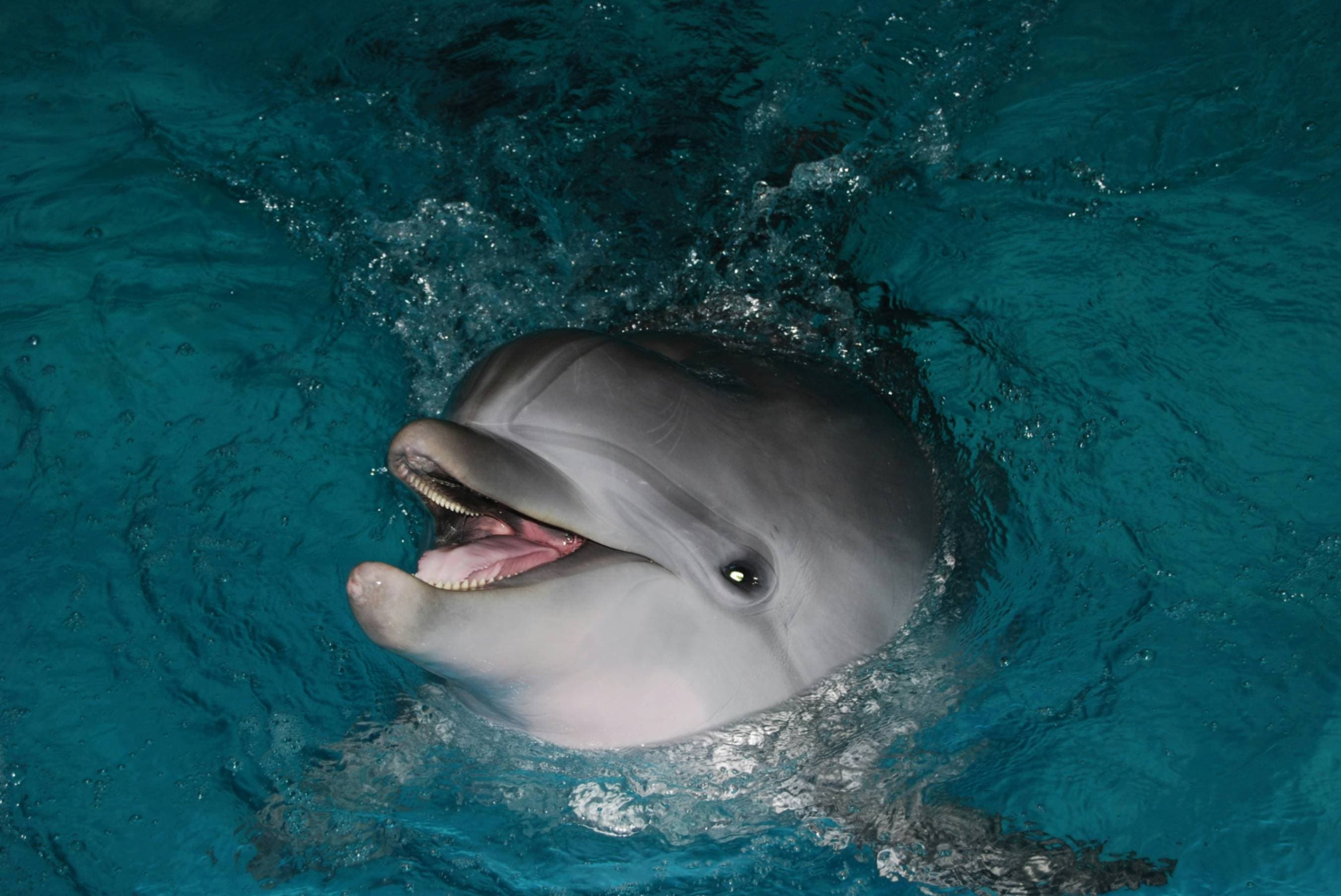
The ethical debate surrounding animal captivity continues to evolve, particularly as societal values shift and scientific understanding deepens. Municipal and state-level policymakers are increasingly being asked to scrutinize the operations of animal-holding facilities, especially in light of high-profile controversies involving marine mammals and exotic species. Transparency, public engagement, and independent review processes are critical for maintaining public trust. Institutions should regularly publish animal welfare audits, conservation impact reports, and fiscal accountability documents to demonstrate their commitment to ethical stewardship9.
Ethical considerations also extend to how institutions prioritize species for conservation action. Critics argue that too much focus is placed on popular or flagship species at the expense of ecologically important but less charismatic animals. A balanced conservation strategy should consider ecosystem function, extinction risk, and cultural significance when allocating resources. Encouragingly, many accredited zoos are beginning to adopt holistic conservation planning frameworks that emphasize ecosystem health and community engagement as integral components of their mission10.
Bibliography
Association of Zoos and Aquariums. "Species Survival Plan Programs." Accessed April 15, 2024. https://www.aza.org/species-survival-plan-programs.
Wildlife Conservation Society. "Global Conservation Program Overview." Accessed April 15, 2024. https://www.wcs.org/our-work.
Seddon, Philip J., et al. "Reintroducing Rescued and Rehabilitated Carnivores: A Review of Ethical and Practical Considerations." Animal Welfare 23, no. 4 (2014): 337-349.
Dickman, Amy J., et al. "The Importance of Long-Term Conservation Programs: The Case of the Arabian Oryx." Oryx 43, no. 4 (2009): 491-498.
World Association of Zoos and Aquariums. "Committing to Conservation: The Role of Zoos and Aquariums." Accessed April 15, 2024. https://www.waza.org/priorities/conservation/.
Moss, Andrew, and Paul Francis. "Conservation Education and the Role of Zoos and Aquariums in Changing Behaviors." International Zoo Yearbook 51, no. 1 (2017): 23-37.
Fraser, David. "Toward a Practical Ethic for Animals." Journal of Agricultural and Environmental Ethics 22, no. 1 (2009): 1-17.
City of San Diego. "Zoo and Aquarium Partnership Programs in Urban Sustainability." City Planning Report, 2021.
Braverman, Irus. "Zooland: The Institution of Captivity." Stanford: Stanford University Press, 2013.
Balmford, Andrew, et al. "Why Conservationists Should Heed the Call to Diversify Conservation." Oryx 55, no. 3 (2021): 301-309.
More from Conservation and the Environment
Explore related articles on similar topics