Smart Earth: The Rise of AI, Sensors, and Data in Saving the Planet

Building on the idea that restoration and innovation offer hope, one of the most promising developments in environmental conservation is the integration of advanced technology into monitoring and management systems. Remote sensing, geographic information systems (GIS), and automated data collection tools have transformed how governments and environmental professionals assess environmental conditions. These tools allow for real-time monitoring of air and water quality, deforestation, and urban heat islands, enabling faster responses and more informed decision-making. For example, the United States Environmental Protection Agency (EPA) uses satellite data and air sensors to track pollution levels in urban areas, significantly improving public health responsiveness (EPA 2022)1.
Innovation is also visible in the growing use of artificial intelligence (AI) and machine learning to predict environmental trends and optimize resource use. AI algorithms are being applied to analyze climate data patterns and make projections about flooding, droughts, and wildfires. This predictive capability allows local governments to prepare proactively, rather than reactively. In addition, smart water management systems that use sensors and AI are helping cities reduce water waste and detect leaks more efficiently, conserving a crucial natural resource (World Bank 2021)2. These tools demonstrate that adaptation to climate change is not only possible, but already underway in many communities.
Community-Based Conservation and Local Action
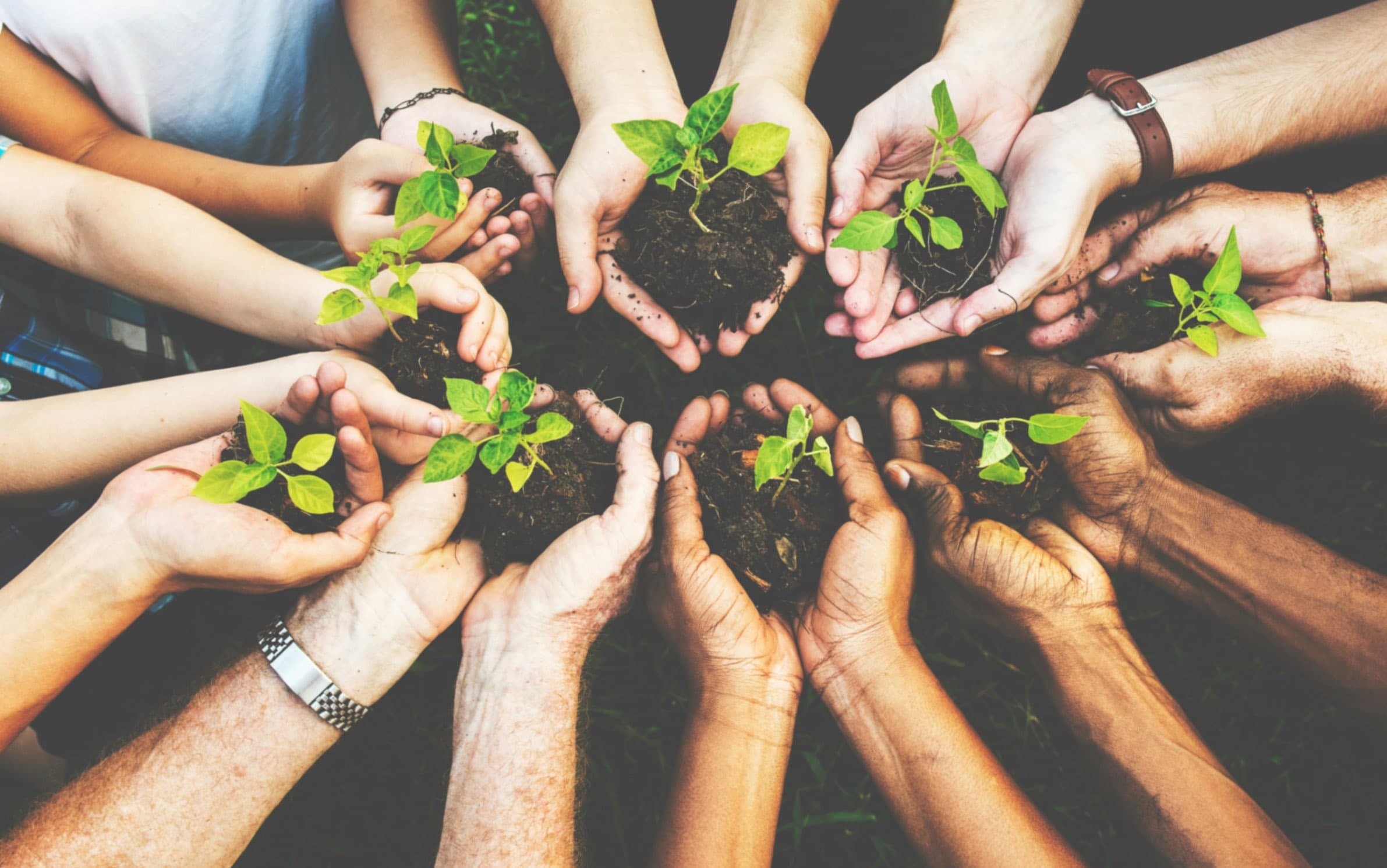
While technology plays an essential role, conservation efforts are most effective when they are grounded in local engagement. Municipal governments and community organizations are uniquely positioned to implement localized conservation strategies that reflect the specific needs and characteristics of their environments. Initiatives like urban tree planting, native habitat restoration, and green infrastructure projects build climate resilience and improve quality of life. Programs such as the Trust for Public Land's "10-Minute Walk" campaign, which aims to ensure every urban resident has access to a park within a 10-minute walk, highlight the importance of integrating green spaces into city planning (Trust for Public Land 2023)3.
Public participation is also critical. Volunteer programs, citizen science projects, and local advisory boards help foster a sense of ownership and responsibility within the community. For example, watershed councils made up of local residents and stakeholders have proven effective in restoring degraded streams and improving water quality. These councils often collaborate with state agencies and nonprofit organizations, creating a multi-level governance structure that enhances accountability. When communities are actively involved in conservation, the chances of long-term success increase significantly (Leach, Pelkey, and Sabatier 2002)4.
Resilient Infrastructure and Sustainable Planning
Adapting to a changing climate requires not only protecting natural systems, but also redesigning the built environment to be more resilient. Sustainable land use planning, green buildings, and low-impact development (LID) techniques are being incorporated into regulatory frameworks across many jurisdictions. These strategies reduce environmental degradation while also improving human health and economic outcomes. Green roofs, permeable pavements, and rain gardens are examples of LID practices that help manage stormwater, reduce the urban heat island effect, and improve biodiversity in developed areas (U.S. Green Building Council 2021)5.
Infrastructure investments are increasingly being evaluated through the lens of environmental sustainability. The Federal Emergency Management Agency (FEMA) has incorporated climate resilience into its hazard mitigation funding criteria, encouraging local governments to prioritize projects that consider future climate risks. Resilience is not just about surviving disasters, it is about thriving in the face of environmental change. Long-term planning that integrates ecological health, energy efficiency, and public safety is key to building communities that can adapt and recover quickly from climate-related disruptions (FEMA 2022)6.
Policy Tools and Regulatory Frameworks
Effective conservation requires a robust policy framework that aligns incentives, regulations, and funding mechanisms. Environmental impact assessments (EIAs), zoning regulations, and conservation easements are common tools used to protect sensitive areas and guide sustainable development. Municipal and regional governments often have the authority to enforce these tools, shaping land use in ways that preserve ecosystem services. For instance, wetland protection ordinances can safeguard floodplains and wildlife habitats while reducing downstream flooding risks (National Research Council 2001)7.
Financial incentives also play a critical role in advancing environmental goals. Tax credits for renewable energy installations, grants for brownfield redevelopment, and payments for ecosystem services are mechanisms that encourage private sector investment in conservation. These policies help bridge the gap between economic development and environmental protection. For students and practitioners, understanding how to design and implement these tools is essential for achieving integrated, long-term outcomes in conservation and the environment.
Education, Equity, and Future Generations
Environmental education is a vital component of conservation. It not only builds awareness, but also empowers residents to take action. Educational programs in schools, nature centers, and public libraries can teach the next generation about the importance of biodiversity, water conservation, and climate adaptation. Municipal governments can partner with local school districts and nonprofits to expand access to environmental learning opportunities, particularly in underserved communities that face disproportionate environmental burdens (EPA 2023)8.
Equity must be central to conservation strategies. Historically marginalized communities often suffer the most from environmental degradation while having the least access to green infrastructure and clean air. Inclusive policymaking that prioritizes environmental justice ensures that conservation efforts do not reinforce existing disparities. Tools such as environmental justice screening maps and health impact assessments can help identify areas of need and direct resources accordingly. By focusing on both environmental outcomes and social equity, municipalities can build more just and sustainable communities for future generations.
Bibliography
U.S. Environmental Protection Agency. 2022. “Air Sensor Toolbox for Citizen Scientists.” https://www.epa.gov/air-sensor-toolbox.
World Bank. 2021. “Smart Water Management: How Can Digital Technologies Help?” https://www.worldbank.org/en/news/feature/2021/06/08/smart-water-management-how-can-digital-technologies-help.
Trust for Public Land. 2023. “10-Minute Walk Campaign.” https://www.tpl.org/10-minute-walk.
Leach, William D., Neil Pelkey, and Paul A. Sabatier. 2002. “Stakeholder Partnerships as Collaborative Policymaking: Evaluation Criteria Applied to Watershed Partnerships.” Journal of Policy Analysis and Management 21(4): 645–670.
U.S. Green Building Council. 2021. “What Is Low Impact Development?” https://www.usgbc.org/articles/what-low-impact-development.
Federal Emergency Management Agency. 2022. “Building Resilient Infrastructure and Communities (BRIC).” https://www.fema.gov/grants/mitigation/building-resilient-infrastructure-communities.
National Research Council. 2001. Compensating for Wetland Losses under the Clean Water Act. Washington, DC: National Academies Press.
U.S. Environmental Protection Agency. 2023. “Environmental Education.” https://www.epa.gov/education.