Tourism on Trial: How Cities Are Solving Overtourism with Smart Solutions
Tourism is one of the strongest forces driving city economies. It brings people together, creates jobs, and highlights local culture. As cities become more connected in today’s global world, tourism has become a key part of economic growth, cultural exchange, and urban energy.
But as more people travel internationally, cities face new problems. Crowding, pressure on the environment, and higher living costs are leading cities to rethink how they manage tourism. The future of tourism isn’t just about bringing in more visitors - it’s about doing it in a way that is thoughtful and long-lasting.
The Rise of Responsible Travel
Today’s travelers are more aware of their impact than ever before. They want experiences that are real, respectful, and good for the environment. This change in how people travel shows a growing concern about big issues like climate change, protecting culture, and fairness in society.
This shift gives cities a chance to change how they view tourism. Instead of only trying to attract more people, cities can focus on quality - encouraging cultural understanding, helping local communities, and caring for the environment. Responsible tourism creates chances for both locals and visitors to have a more meaningful and fair exchange.
Global Examples of Sustainable Tourism
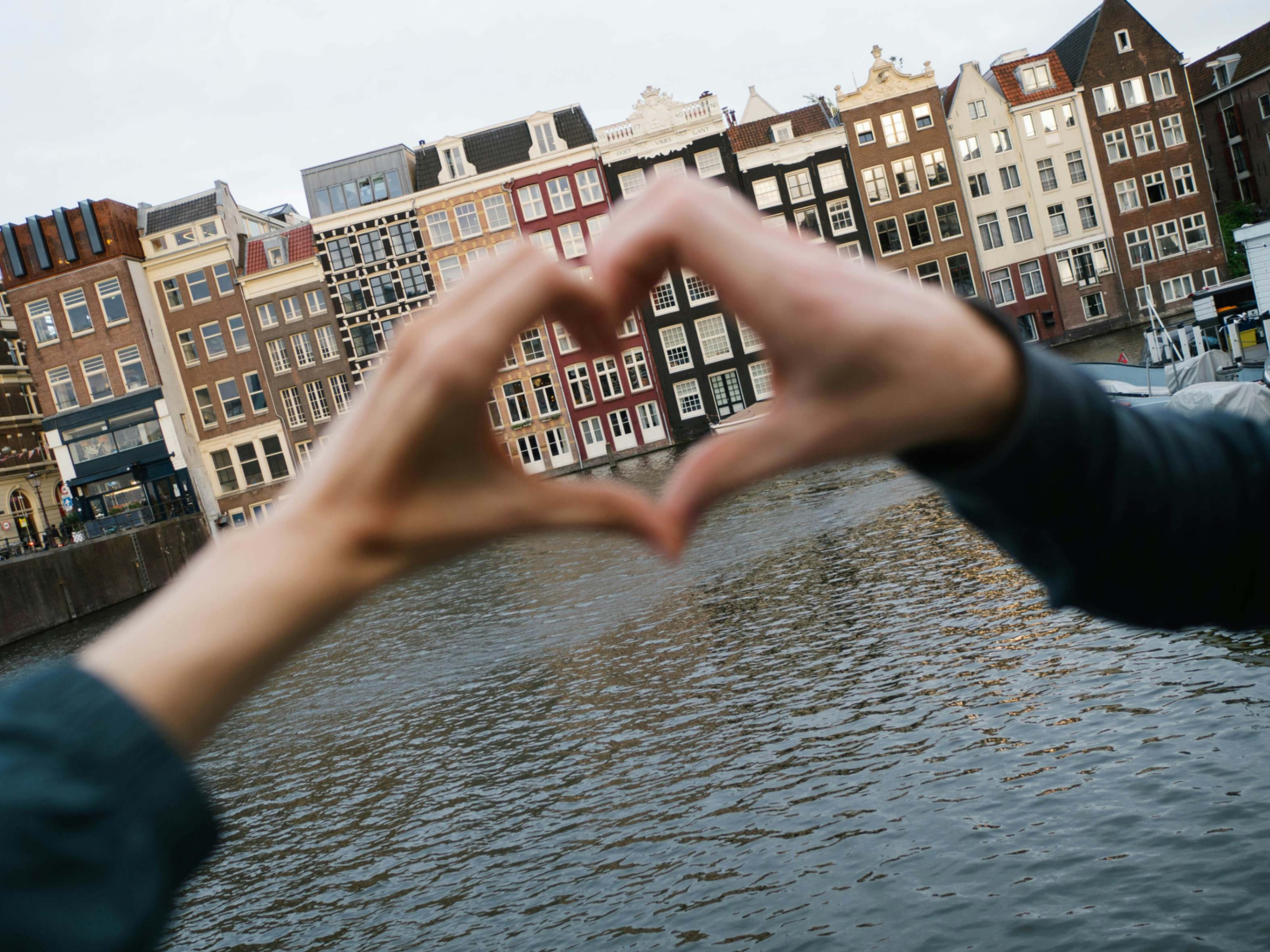
Some cities around the world are already leading in sustainable tourism. Take Amsterdam, for example. Its “Enjoy & Respect” campaign aims to teach tourists about good behavior while helping reduce crowding in historic areas. That way, the city’s culture is protected and everyday life remains comfortable for residents.
In the U.S., Denver is doing its part by promoting eco-tourism. With a network of city trails and outdoor activities, it gives visitors a chance to enjoy nature responsibly - and without leaving a heavy footprint.
The Role of Local Governments
Local governments have an important role in shaping sustainable tourism. One smart strategy is to encourage travel during less busy times of the year. This helps ease overcrowding and spreads the benefits of tourism more evenly, keeping local economies thriving year-round.
Cities can also support small, local businesses that give neighborhoods their unique character and cultural identity. Investing in green transportation - like electric buses, walking paths, and bike lanes - is another powerful move. It cuts down on pollution and makes cities more enjoyable places to live and explore. And by using data to track tourism’s impact, cities can make sure their rules and policies stay fair, balanced, and effective.
Looking Ahead: A Sustainable Vision for Tourism
Tourism will always be an important part of a city’s growth, but it needs to evolve to meet today’s challenges. By focusing on sustainability, collaboration, and innovation, cities can guide tourism in ways that enhance local life instead of straining it.
The real goal isn’t just to attract more visitors - it’s to invite them into a shared space where respect, balance, and mutual success matter. As cities rethink their tourism strategies, they have a chance to build experiences that benefit not just the economy, but also the people and the planet.