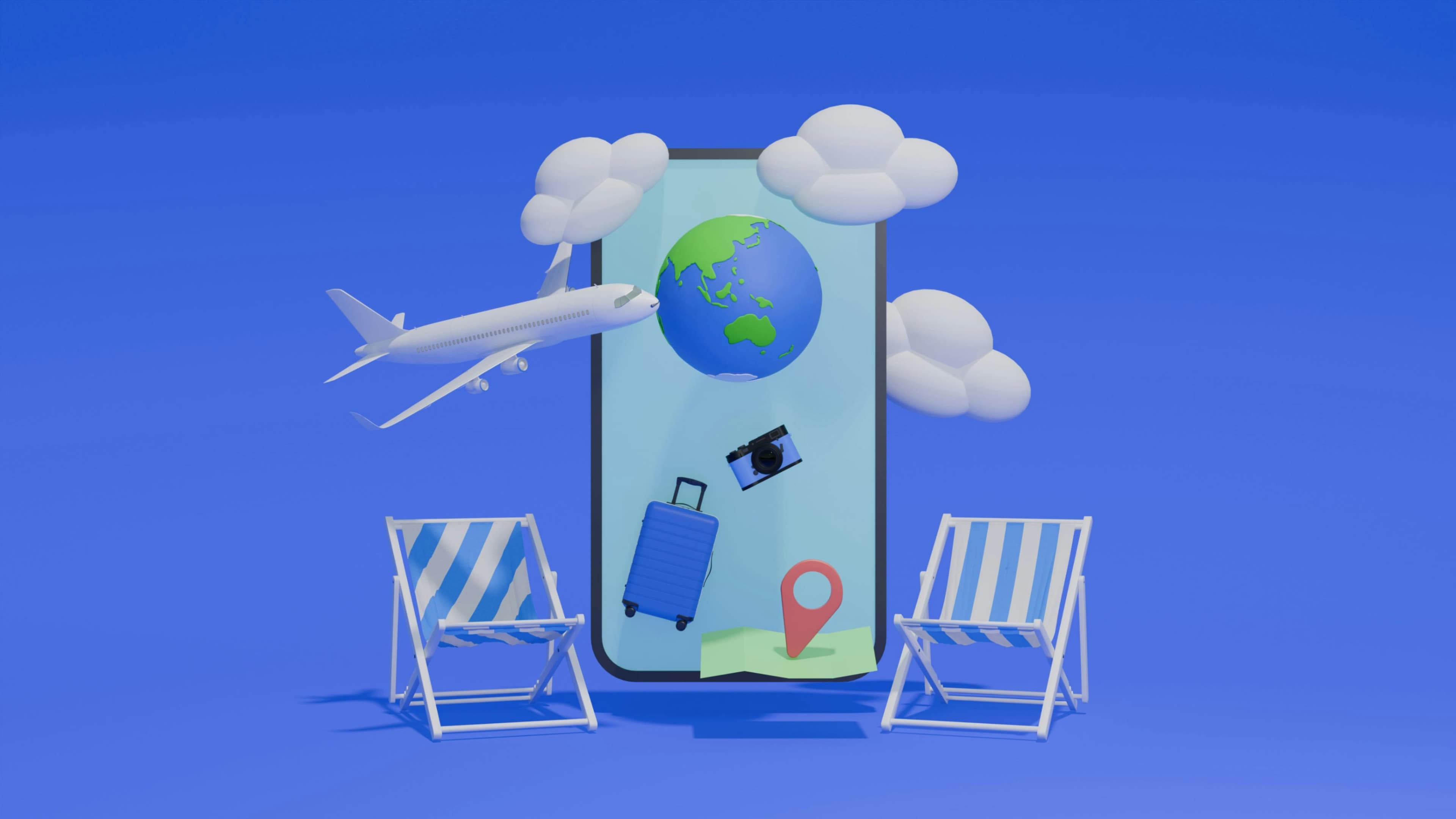
Enhancing Visitor Engagement Through AI-Powered Personalization
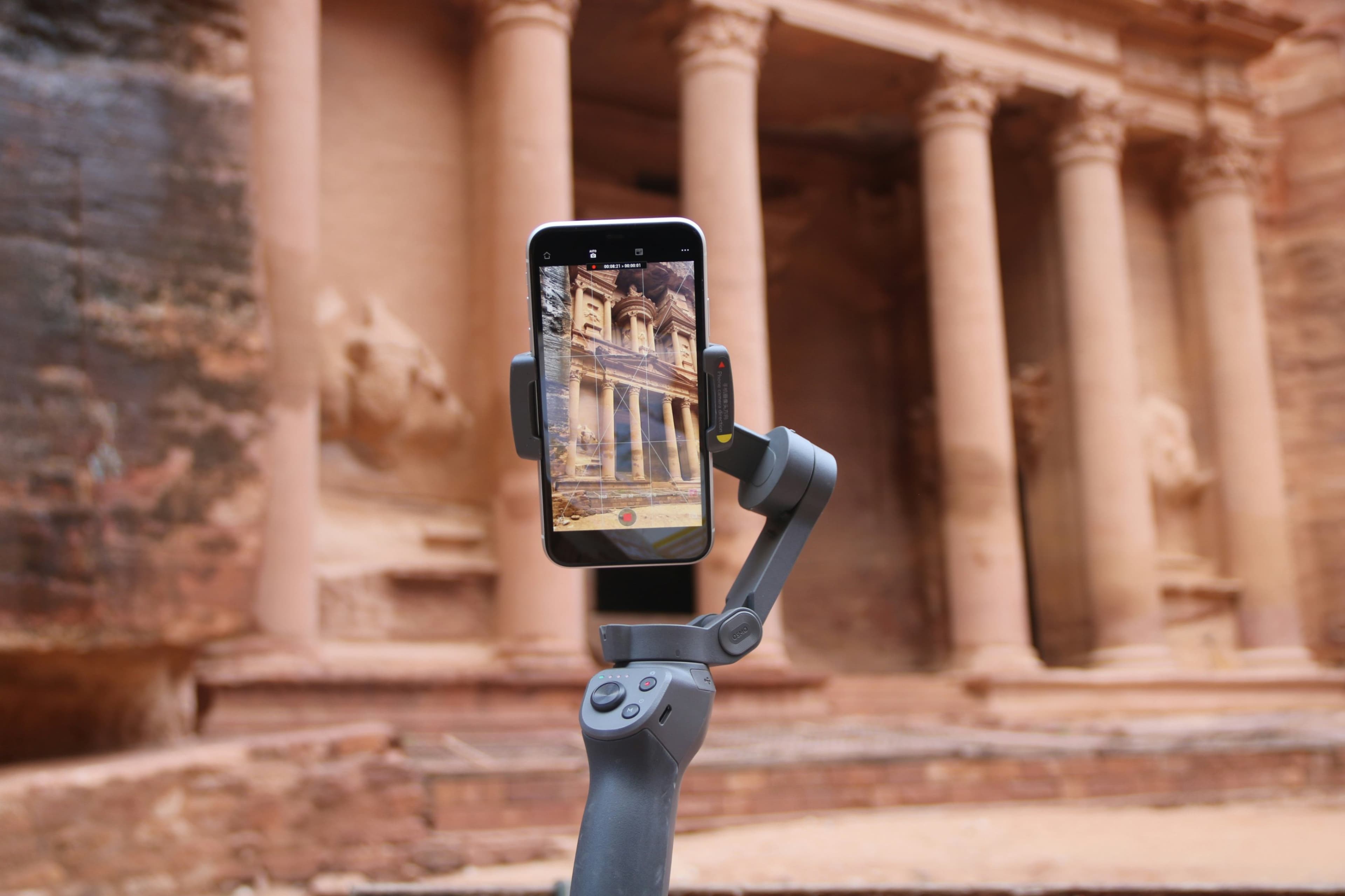
Artificial intelligence is making it possible for destinations to offer deeply personalized experiences that cater to individual traveler preferences. AI-driven platforms can analyze user behavior, past bookings, and real-time data to tailor recommendations for attractions, restaurants, and itineraries. For municipal tourism departments, integrating such systems into local tourism websites can help guide visitors to lesser-known but culturally significant sites, reducing congestion at overvisited landmarks and distributing economic benefits more evenly across the city.
For example, the Singapore Tourism Board has implemented AI algorithms that recommend customized travel itineraries based on users' interests and location data. This not only enhances the visitor experience but also supports local businesses by directing foot traffic to diverse areas of the city (Singapore Tourism Board 2021)1. Municipalities can replicate this approach by partnering with local tech startups or using open-source tools to develop AI-powered applications that align with community objectives, such as promoting heritage tourism or encouraging off-season travel.
Virtual Reality as a Tool for Pre-Trip Decision Making
Virtual reality (VR) is transforming how travelers plan their trips by offering immersive previews of destinations. For tourism offices, VR provides an opportunity to showcase a location’s attractions to prospective visitors in a compelling, risk-free way. Platforms like YouVisit and Google Arts & Culture allow users to explore museums, historic sites, and natural landscapes with 360-degree visuals, providing a more accurate sense of what they can expect upon arrival.
Municipal tourism departments can utilize VR to promote local attractions in their visitor centers and at travel expos. For instance, the City of Helsinki created a VR experience that allows users to walk through different neighborhoods, view seasonal events, and experience the city's cultural offerings without leaving home (City of Helsinki 2020)2. This strategy helps to inspire interest among potential tourists, particularly those who may be hesitant to travel due to mobility issues, health concerns, or financial constraints, thereby broadening the destination's appeal.
Operational Efficiency and Safety Through Predictive Analytics
Predictive analytics, using historical and real-time data, enables cities to anticipate visitor flows, optimize resource allocation, and enhance safety measures. For example, during high-tourism seasons, predictive tools can help municipalities forecast crowd density at popular landmarks, allowing for better staffing, traffic control, and sanitation services. This not only improves the visitor experience but also ensures public safety and minimizes infrastructure strain.
The City of Amsterdam has implemented data-driven visitor management strategies that use predictive models to monitor and redirect tourist movement in real time, helping to mitigate the negative impact of over-tourism (Amsterdam & Partners 2022)3. By integrating these tools into urban planning and event coordination, municipal leaders can proactively address potential issues before they arise, making tourism more sustainable and responsive to both resident and visitor needs.
Expanding Accessibility and Inclusion with Immersive Technology
AI and VR are also powerful tools for improving accessibility in tourism. Virtual tours enable individuals with mobility challenges to experience cultural and natural sites they may not be able to visit physically. Additionally, AI-driven translation and text-to-speech tools can facilitate communication for non-native speakers and those with visual or auditory impairments. For municipalities committed to inclusive tourism, these technologies offer practical solutions to longstanding barriers.
The British Museum, for instance, offers virtual guided tours with closed captioning and multilingual support, making its exhibits accessible to a global audience (British Museum 2023)4. Municipal tourism offices can adopt similar methods by digitizing local heritage sites and providing VR experiences on their websites or in public libraries. These services not only increase accessibility but also serve as educational tools for local schools and community groups.
Leveraging Chatbots for 24/7 Visitor Support
AI-powered chatbots offer round-the-clock support for tourists seeking information about accommodations, transportation, or local events. These tools reduce the burden on in-person staff and ensure that visitors receive timely assistance, even outside regular operating hours. Tourists increasingly expect instant answers, and municipalities can meet this demand through well-designed digital assistants integrated into tourism websites and social media platforms.
Vienna's tourism board has successfully implemented a multilingual chatbot that provides real-time information about local attractions, public transport, and COVID-19 regulations (Vienna Tourist Board 2021)5. Local governments can replicate this by collaborating with technology providers to develop custom chatbots that reflect the community's unique offerings and values. Chatbots can also collect feedback from users, offering valuable data to improve future services.
Training Local Staff and Stakeholders in Emerging Technologies
As technology plays a larger role in tourism, municipal governments must invest in workforce development to ensure staff and local partners can effectively deploy and manage these tools. Training programs in digital literacy, data analytics, and customer service technologies help local tourism professionals stay competitive and responsive to evolving visitor expectations. This is particularly important for small businesses and community organizations that form the backbone of many tourism economies.
The City of Barcelona offers workshops and certification programs for tourism sector workers to learn about digital transformation, including the use of AI and VR in customer engagement (Ajuntament de Barcelona 2022)6. Municipalities can follow this model by partnering with local universities, chambers of commerce, or regional development agencies to deliver similar programs tailored to their community's needs. Supporting local capacity building ensures that the benefits of technological innovation are widely shared and sustainable.
Integrating AI and VR into Strategic Tourism Planning
Long-term tourism planning should reflect the growing influence of AI and VR. Municipal governments can integrate these technologies into strategic frameworks to enhance visitor experiences, support economic development, and maintain quality of life for residents. This includes aligning tourism strategies with smart city initiatives, sustainability goals, and digital infrastructure investments.
For example, Seoul’s Smart Tourism City initiative combines AI, AR, and big data to create a seamless visitor experience while supporting local entrepreneurship and reducing environmental impact (Korea Tourism Organization 2021)7. Municipalities can develop similar comprehensive strategies by conducting audits of existing digital assets, identifying gaps, and setting measurable objectives for technology adoption. Strategic integration ensures that innovation supports broader policy goals rather than functioning in isolation.
Conclusion: Preparing for a Digitally-Driven Travel Future
AI and virtual reality are no longer experimental additions to the tourism industry; they are essential tools for crafting more personalized, inclusive, and efficient travel experiences. Municipal governments that embrace these technologies can better serve both residents and visitors, while enhancing the competitiveness of their destination. The key lies in thoughtful implementation, continuous learning, and collaboration with community stakeholders.
For municipal practitioners, the opportunity is clear: by integrating AI and VR into tourism strategies, cities can offer smarter services, improve sustainability, and open their doors to a broader, more diverse audience. The future of travel is digital, and the time to act is now.
Bibliography
Singapore Tourism Board. 2021. "STB’s Digital Transformation Journey." Accessed April 12, 2024. https://www.stb.gov.sg.
City of Helsinki. 2020. "Virtual Helsinki – A Digital Twin for Tourism." Accessed April 12, 2024. https://www.hel.fi.
Amsterdam & Partners. 2022. "Data-Driven Visitor Management Strategy." Accessed April 12, 2024. https://www.iamsterdam.com.
British Museum. 2023. "Digital Experiences and Accessibility." Accessed April 12, 2024. https://britishmuseum.org.
Vienna Tourist Board. 2021. "Chatbot Vienna – Your Digital Travel Assistant." Accessed April 12, 2024. https://www.wien.info.
Ajuntament de Barcelona. 2022. "Digital Training for Tourism Professionals." Accessed April 12, 2024. https://ajuntament.barcelona.cat.
Korea Tourism Organization. 2021. "Smart Tourism City in Seoul." Accessed April 12, 2024. https://kto.visitkorea.or.kr.