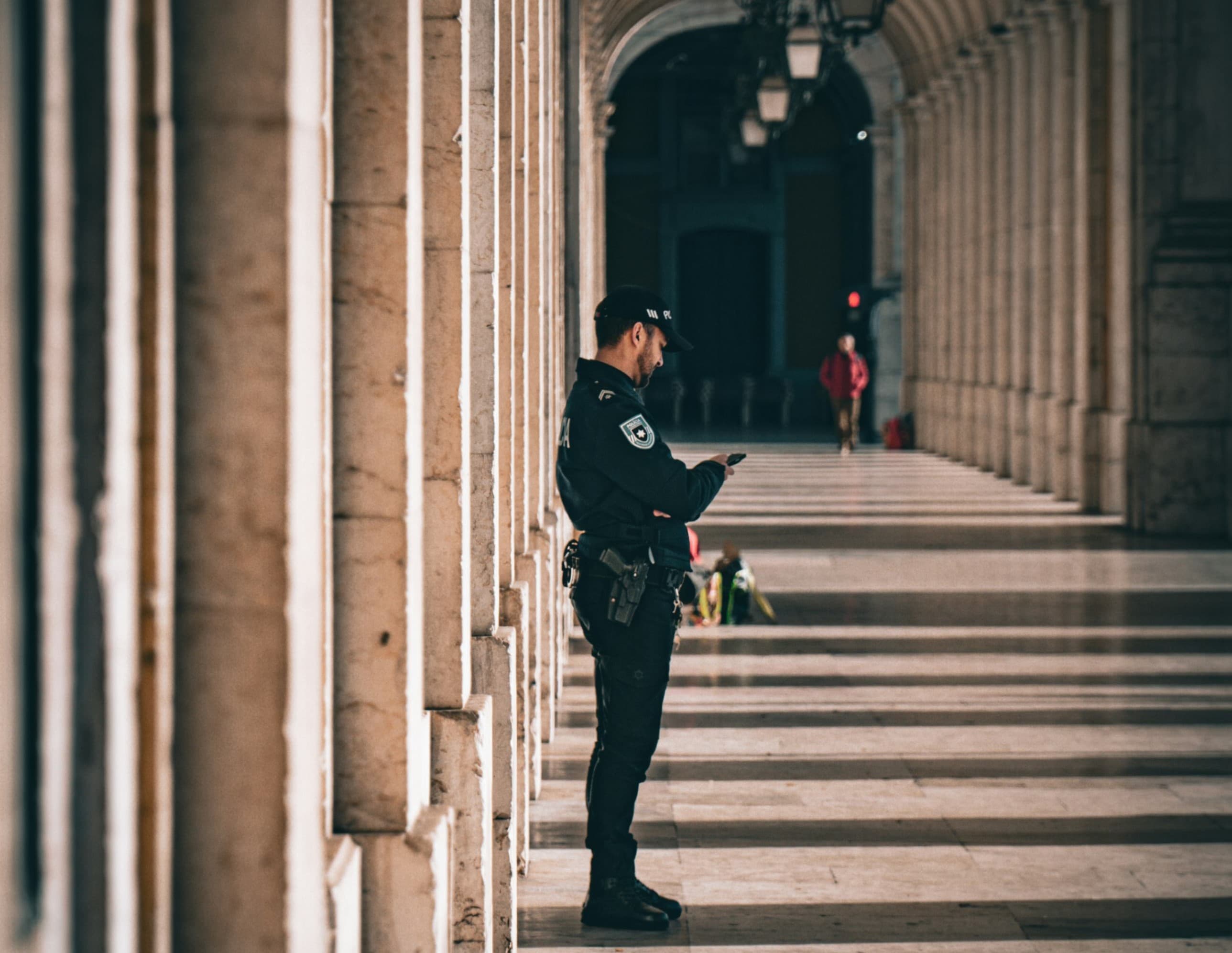
The Weight of the Badge: Balancing Duty, Trauma, and Humanity
The power of the badge comes with a price few outside the profession truly understand. Every shift, officers carry more than gear- they carry stories, pressure, and trauma that build quietly over time. Yet as policing evolves, so must our understanding of what resilience really means. True strength isn’t found in suppressing emotion, but in supporting the human being behind the uniform. By reimagining health and wellness as essential tools- not optional afterthoughts- we can create a culture where courage and care work hand in hand, protecting both the public and the people sworn to serve it.
The personal nature of this job is both a strength and a challenge. It fuels our dedication, but it also exposes us to repeated trauma. According to the Substance Abuse and Mental Health Services Administration, as many as 30 percent of first responders develop mental health conditions, including depression and post-traumatic stress disorder, compared to 20 percent in the general population1. This means that while your personal story drives your commitment, it also puts you at risk unless proper health and wellness supports are available. As professionals, we need to recognize that admitting these risks is not a weakness - it’s a smart and necessary step to ensure we can stay in this career long-term.
Operationalizing Health and Wellness in Law Enforcement
It’s not enough to just talk about mental health - we have to make it part of how we operate. Agencies should shift from reacting to problems to preventing them in the first place. One effective way is to have licensed mental health professionals working inside departments, not just during crises, but as part of daily life. Peer support programs, like those promoted by the International Association of Chiefs of Police, can offer immediate help when formal counseling feels intimidating or too far away2. These programs should be required and supported by leaders at all levels.
Regular mental health check-ins should also become a normal part of the job, not just something we do after a major incident. Officers often bottle up stress until it becomes too much. That’s why yearly or twice-a-year wellness checkups can make a big difference. These should be seen not as tests to see if someone can still do the job, but as chances to grow and improve. Cities like San Diego and Indianapolis already do this and have seen improved morale and fewer sick days3.
Building a Culture of Trust and Emotional Safety
We also need to change the culture. Too often, law enforcement discourages open talk about mental health. Officers are trained to be tough and keep going, but without safe spaces to be honest, that toughness can turn into feeling alone. Leaders should set the tone by sharing their own experiences when appropriate and by backing policies that put wellness first. Officers will trust the system more when they see that their well-being really matters - not just as a line in the budget, but as a core value of the agency.
Emotional safety also means looking out for each other. Simple actions like daily check-ins, recognizing good work, and having open-door policies from supervisors can really change the feel of a department. When officers feel supported and understood, they’re more likely to ask for help when they need it. Research from the National Police Foundation shows that departments with strong internal support systems have less burnout and higher job satisfaction4. When we build this kind of culture on purpose, it becomes a shield against the stress of the job.
Practical Wellness Strategies for Frontline Officers
Wellness also has to be practical. Officers need tools they can use right away. Techniques like slow breathing, mindfulness, and guided imagery are proven to help manage stress in the moment. These might seem unfamiliar at first, but once you try them - even just taking a few deep breaths before stepping out of your patrol car - you’ll feel the difference. Agencies can teach these tools during academy and reinforce them during ongoing training. The U.S. Department of Justice has published resources that recommend including these practices in daily briefings, just like equipment checks5.
Nutrition, sleep, and exercise are just as important, but often get ignored because of long shifts and demanding schedules. We’ve all grabbed a quick snack from a vending machine at 3 a.m. or worked back-to-back shifts with little rest. Departments can help by partnering with local gyms, sleep clinics, and nutrition experts to support these basic needs. Even small steps - like offering healthier food options or allowing short breaks during long shifts - can make a big difference for both mental and physical health. The goal is to make wellness part of our daily routine, not something we think about only when things go wrong.
Extending Wellness to the Community
Your story about connecting with kids, seniors, parents, and even people involved in the justice system shows something important: officer wellness is tied to community wellness. When officers are healthy, they communicate better, stay calmer in tough situations, and build trust more easily. This connection is often missed in conversations about public safety. Supporting officer wellness isn’t just about the department - it directly helps the community feel safer and more stable.
Community programs that team up officers with mental health professionals also help both sides. These co-response teams make sure people in crisis get the right kind of help, and they also take some pressure off officers who might otherwise have to handle complex mental health situations alone. Cities like Houston and Los Angeles use these models and have seen fewer use-of-force cases and improved officer well-being6. By understanding that officer and community wellness are linked, departments can create strategies that are both kind and effective.
Looking Ahead: Sustainability Through Policy and Support
For law enforcement careers to be sustainable, we need the right policies in place now. That includes funding wellness units, using data to track wellness trends, and making sure leaders follow through on wellness promises. The future of policing has to include a commitment to treating officers as people first. Officers like you, who bring personal meaning to the job, deserve systems that make your well-being a priority.
As more officers deal with public expectations, political pressure, and personal sacrifices, the need for strong, well-funded, and culturally aware wellness programs will only grow. The badge may represent authority, but behind it is a person shaped by experience and driven by purpose. That purpose - to protect, serve, and heal - must include protecting and supporting ourselves and each other.
Bibliography
Substance Abuse and Mental Health Services Administration. “First Responders: Behavioral Health Concerns, Emergency Response, and Trauma.” SAMHSA, 2018. https://www.samhsa.gov/sites/default/files/dtac/supplementalresearchbulletin-firstresponders-may2018.pdf.
International Association of Chiefs of Police. “Officer Wellness and Safety.” IACP, 2023. https://www.theiacp.org/projects/officer-safety-and-wellness.
U.S. Department of Justice. “Law Enforcement Mental Health and Wellness Act (LEMHWA) Program.” Bureau of Justice Assistance, 2022. https://bja.ojp.gov/program/law-enforcement-mental-health-and-wellness/overview.
National Police Foundation. “Promoting Officer Resilience and Wellness.” Police Foundation, 2021. https://www.policefoundation.org/promoting-officer-resilience-and-wellness/.
U.S. Department of Justice. “Improving Law Enforcement Resilience: Lessons from the Field.” Office of Community Oriented Policing Services, 2020. https://cops.usdoj.gov/RIC/Publications/cops-w0874-pub.pdf.
Watson, Amy C., Victor K. Hong, and Anjali J. Angell. “Crisis Response Services for People with Mental Illnesses or Intellectual and Developmental Disabilities: A Review of the Literature on Police-Based and Other First Response Models.” Vera Institute of Justice, 2021. https://www.vera.org/downloads/publications/crisis-response-services-review.pdf.
More from Health and Mental Wellness
Explore related articles on similar topics