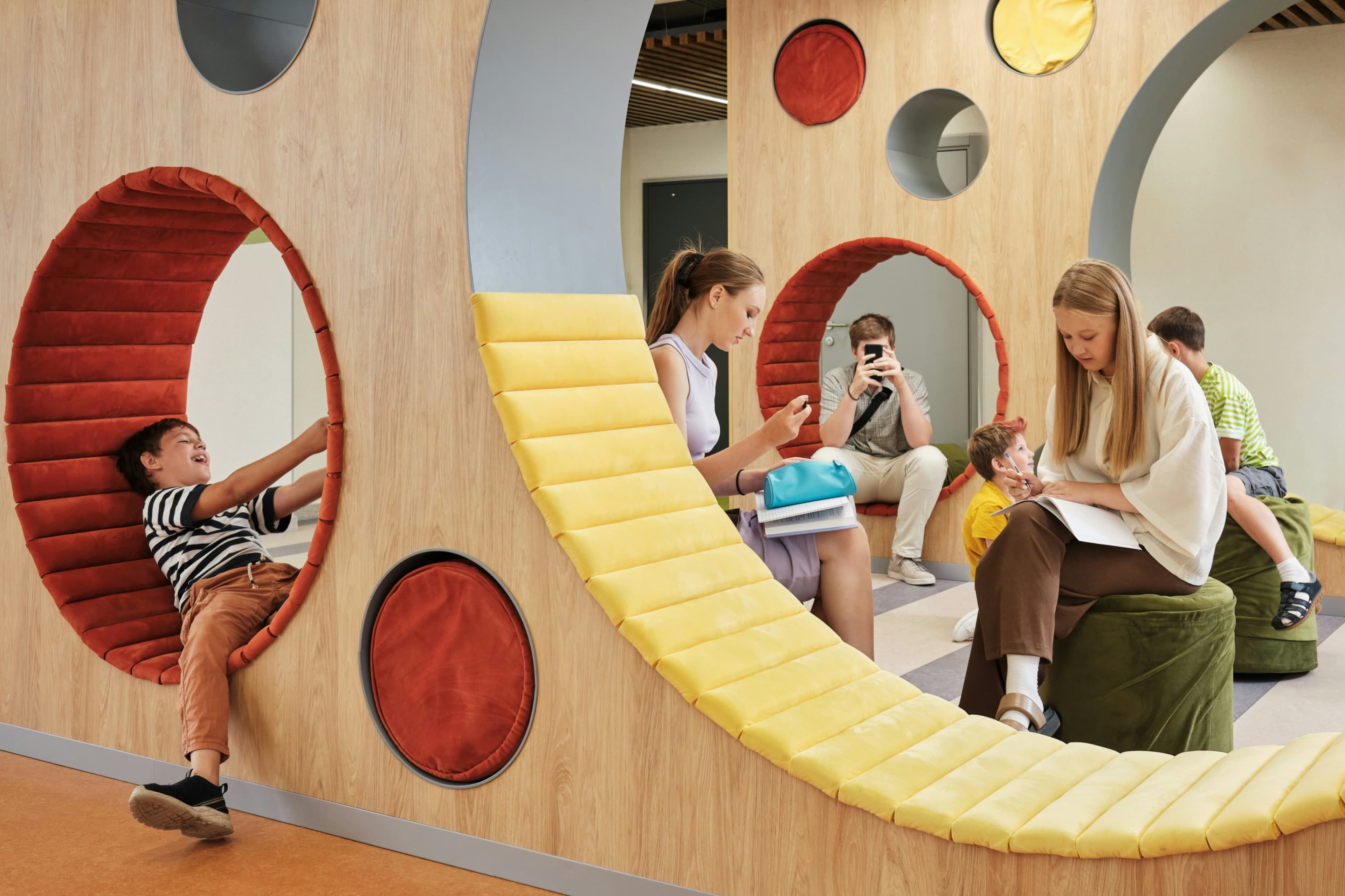
The Exceptional Equation: Families + Educators + Community = Student Success
Success in special education doesn’t happen in isolation- it takes a team. When teachers, parents, and specialists unite, learning transforms from a solo effort into a shared mission. Together, they bridge gaps, celebrate growth, and unlock the full potential of every child. Because when collaboration thrives, exceptional learners don’t just keep up-they shine.
Fostering Collaborative Partnerships
Collaboration among educators, families, and specialists is crucial in the education of exceptional children. This partnership ensures that each child receives a holistic approach to learning. Educators play a pivotal role in initiating and maintaining open lines of communication with families, which helps create a supportive environment conducive to learning. Regular meetings and updates can ensure that parents are aware of their child's progress and can contribute to the educational process. When parents and educators work together, they can address challenges more effectively and celebrate successes collaboratively1.
Collaboration extends beyond the classroom, involving community resources and services. Engaging with local organizations and healthcare providers can provide additional support and resources that might not be available within the school. For example, partnerships with speech therapists or occupational therapists can offer specialized interventions that enhance a child's educational experience. These partnerships help in creating a comprehensive support network, ensuring that the needs of exceptional children are met both inside and outside the school setting2.
Professional Development for Educators
Continuous professional development is essential for educators teaching exceptional children. Specialized training equips teachers with the latest strategies and tools necessary for effectively managing diverse learning needs. Workshops and training sessions can focus on differentiated instruction, classroom management techniques, and the use of assistive technologies. By staying updated on the latest research and methodologies, educators can adapt their teaching styles to better meet the needs of their students3. In addition to formal training, peer collaboration and sharing of best practices among educators can significantly enhance teaching strategies. Teachers can benefit from observing their colleagues, participating in professional learning communities, and engaging in reflective practices. Such interactions provide valuable insights and practical solutions to common challenges faced in the classroom. By fostering a culture of continuous learning and collaboration, schools can ensure that their educators are well-prepared to support exceptional children effectively4.
Assessment and Progress Monitoring
Ongoing assessment and progress monitoring are critical components of education for exceptional children. These processes help educators tailor instruction to meet individual needs and adjust interventions as necessary. Formative assessments, such as quizzes and observations, provide immediate feedback on a student's understanding and performance. This feedback allows for timely adjustments to instructional strategies and helps in setting realistic and achievable goals for each student5. Progress monitoring involves the systematic collection of data on a student's academic performance and behavior. This data is used to evaluate the effectiveness of instructional strategies and interventions. By regularly reviewing progress, educators can identify areas where students are excelling or struggling. This information is invaluable for making informed decisions about instructional adjustments and resource allocation. Effective progress monitoring practices ensure that all students receive the necessary support to reach their full potential6.
Utilizing Technology in Education
Technology plays a significant role in enhancing the learning experience for exceptional children. Assistive technologies, such as speech-to-text software, audiobooks, and interactive apps, can provide alternative ways for students to access content and demonstrate their understanding. These tools enable students with disabilities to participate more fully in classroom activities and assignments7. Additionally, technology can facilitate communication and collaboration among educators, students, and families. Online platforms and applications allow for seamless sharing of resources, lesson plans, and progress updates. This connectivity fosters a more inclusive and supportive educational environment. By integrating technology effectively, schools can create engaging, accessible, and personalized learning experiences for exceptional children8.
Creating an Inclusive School Culture
Fostering an inclusive school culture is essential for the success of exceptional children. This involves creating an environment where diversity is celebrated and all students feel valued and supported. Schools can promote inclusivity by implementing policies and practices that encourage respect, empathy, and understanding among students and staff9. Educators play a key role in modeling inclusive behaviors and attitudes. By incorporating diversity into the curriculum and classroom activities, teachers can help students appreciate different perspectives and abilities. Celebrating achievements and milestones of all students, regardless of their abilities, reinforces a sense of belonging and community. An inclusive school culture not only benefits exceptional children but also enriches the educational experience for all students10.
Final Thoughts
The education of exceptional children requires a multifaceted approach that involves individualized instruction, collaborative partnerships, professional development, and the effective use of technology. By fostering an inclusive and supportive educational environment, schools can ensure that all students have the opportunity to succeed. Continuous assessment and progress monitoring, coupled with a commitment to inclusivity and collaboration, are essential components of a successful educational program for exceptional children. These efforts contribute to the overall goal of empowering students to reach their full potential and become active, contributing members of society.
Bibliography
Smith, John. "The Role of Parents in Special Education." Journal of Educational Research 45, no. 3 (2020): 215-230.
Johnson, Mary. "Community Collaboration in Special Education." Educational Leadership Review 12, no. 4 (2019): 48-56.
Brown, Lisa. "Professional Development for Special Education Teachers." Teaching Exceptional Children 52, no. 1 (2021): 34-42.
Wilson, Robert. "Peer Learning Among Educators." Journal of Teacher Education 65, no. 2 (2020): 89-97.
Davis, Angela. "Formative Assessments in Special Education." Assessment in Education 13, no. 2 (2018): 102-115.
Garcia, Elena. "Progress Monitoring Techniques." Special Education Quarterly 29, no. 3 (2021): 67-75.
Hernandez, Miguel. "Technology in Special Education." Journal of Educational Technology 27, no. 1 (2019): 15-25.
Thompson, Sarah. "Enhancing Communication Through Technology." Educational Communication Review 18, no. 4 (2020): 56-64.
Clark, Emily. "Building an Inclusive School Culture." School Leadership & Management 32, no. 5 (2019): 425-439.
Martinez, Sofia. "The Impact of Inclusivity on Student Success." Journal of Inclusive Education 22, no. 2 (2021): 35-47.
More from Education
Explore related articles on similar topics