Can a Community Center Compete with the Internet? Yes- Here’s How

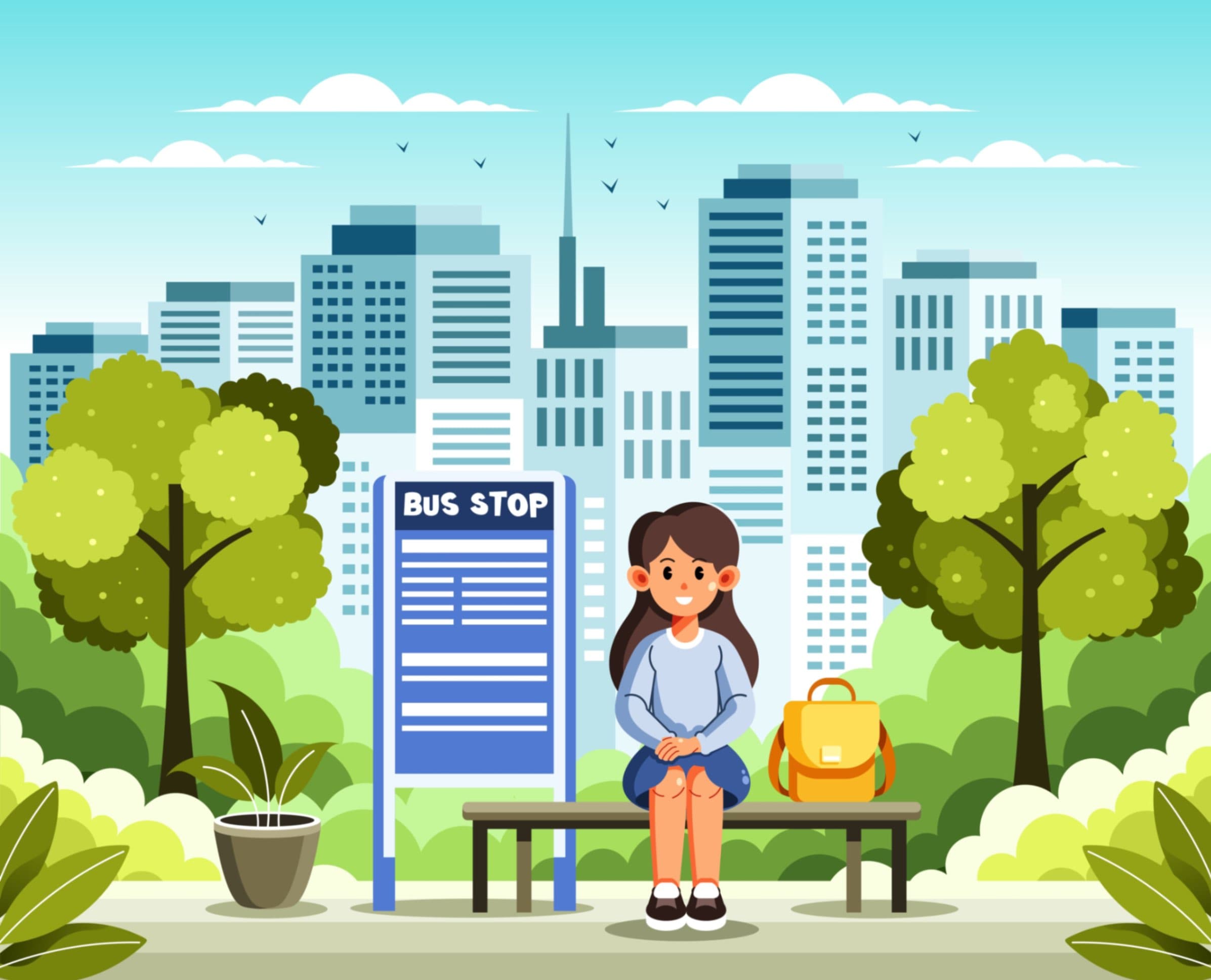
It’s 3:15 p.m. on a Tuesday. School just let out, and a 16-year-old is deciding what happens next: head home to an empty apartment- or walk into a community center where someone knows their name, hands them a snack, and helps them map out a future. That fork in the day is where youth services quietly change lives.
What Youth Services Really Do (Beyond the Brochure)
Youth services aren’t just “programs”—they’re the connective tissue between potential and opportunity. Done right, they blend education, health, employment, and recreation into something that feels less like a system and more like a support network.
Think of a high school junior who lands a part-time internship through a school–business partnership. They don’t just earn money—they learn how to show up, communicate, and imagine a career path. Or a teen who finally talks to a counselor about anxiety at a neighborhood clinic and starts sleeping through the night again. These are small shifts with compounding returns.
The most effective ecosystems share one trait: collaboration. Schools, nonprofits, city agencies, and local employers work like a relay team—passing young people forward, not letting them fall through gaps (Jones 2020).
The Friction Points (and Where Leaders Get Stuck)
Let’s be honest: good intentions aren’t the problem—constraints are.
Funding whiplash: Grants come and go; priorities shift with politics, making long-term planning tough (Smith 2021).
One-size-fits-none design: Youth are not a monolith. What works in one neighborhood can flop in another (Brown 2022).
Access barriers: Transportation, cost, and “Do I belong here?” all determine who actually shows up.
The opportunity hiding in these challenges? Precision. The organizations that win are the ones that listen closely, pilot quickly, and adapt relentlessly.
What Actually Works (Proven Moves You Can Use)
Evidence-backed practices don’t have to feel academic—they’re practical.
Build social-emotional skills on purpose: Programs that teach self-awareness, empathy, and conflict resolution consistently improve outcomes in school and work (Green 2019). A weekly “real talk” circle can be as powerful as any curriculum.
Design for access from day one: Free or low-cost entry, transit vouchers, and flexible hours remove silent barriers (Wilson 2021).
Co-create with youth: Put young people on advisory boards, pay them for their input, and let them shape programming. Engagement skyrockets when ownership is real.
New Ways to Reach (and Keep) Young People
If you want attention, go where it already is.
Meet them on their platforms: Short-form video updates, DMs for reminders, and app-based sign-ups reduce friction (Jackson 2020).
Turn participants into leaders: Let teens run projects, mentor peers, and present to stakeholders. Leadership isn’t a reward at the end—it’s the engine throughout (Martinez 2021).
A quick example: one city piloted a youth-led “micro-grant” program—teens pitched neighborhood projects (murals, pop-up tutoring, park cleanups) and voted on funding. Participation doubled in a semester, and vandalism complaints dropped in the same areas.
How to Know It’s Working (Without Drowning in Data)
Measurement should clarify, not complicate.
Set a few sharp metrics: attendance consistency, skill gains, school persistence, first job placements (Thompson 2020).
Pair numbers with stories: short interviews and focus groups reveal what data can’t—like whether a space actually feels safe (Anderson 2019).
Review in cycles: quarterly “what’s working/what’s not” sessions keep programs nimble.
Build a Culture That Improves Itself
The best organizations behave like learning labs.
Train staff continuously, test small changes, and share what you learn across partners. Update curricula, adopt better tools, and expand partnerships when gaps appear. Continuous improvement isn’t a slogan—it’s a rhythm (White 2022).
Where This Leaves Us
Youth services aren’t a line item—they’re a long game. Every tutoring session, internship placement, and counseling visit compounds into stronger communities and a more resilient workforce.
So here’s the move: pick one barrier you can remove in the next 30 days and one partnership you can activate in the next 90. Open a door, make a call, fund a pilot, invite youth to the table—and then measure what changes. The next turning point for a young person is closer than it looks. Put it within reach.
References
Jones, Mary. “Collaboration in Youth Services: Strategies for Success.” Journal of Community Development, 2020.
Smith, John. “Funding Challenges in Youth Services: A Review.” Public Administration Review, 2021.
Brown, Lisa. “Tailoring Youth Services to Diverse Communities.” Social Work Today, 2022.
Green, Emily. “The Impact of Social-Emotional Learning in Youth Programs.” Educational Leadership, 2019.
Wilson, David. “Accessibility and Inclusivity in Youth Services.” Youth Studies Quarterly, 2021.
Jackson, Sarah. “Using Technology to Engage Youth in Community Programs.” Journal of Youth Development, 2020.
Martinez, Carlos. “Youth Leadership Opportunities in Community Services.” Leadership and Management in Education, 2021.
Thompson, Rachel. “Evaluating the Success of Youth Programs: Methods and Strategies.” Evaluation Review, 2020.
Anderson, Michael. “Qualitative Assessments in Youth Services: Insights and Applications.” Qualitative Research Journal, 2019.
White, Jessica. “Continuous Improvement in Youth Services: A Path Forward.” Journal of Nonprofit Management, 2022.