Communication vs. Assumption: The Workplace Blind Spot Costing You Trust
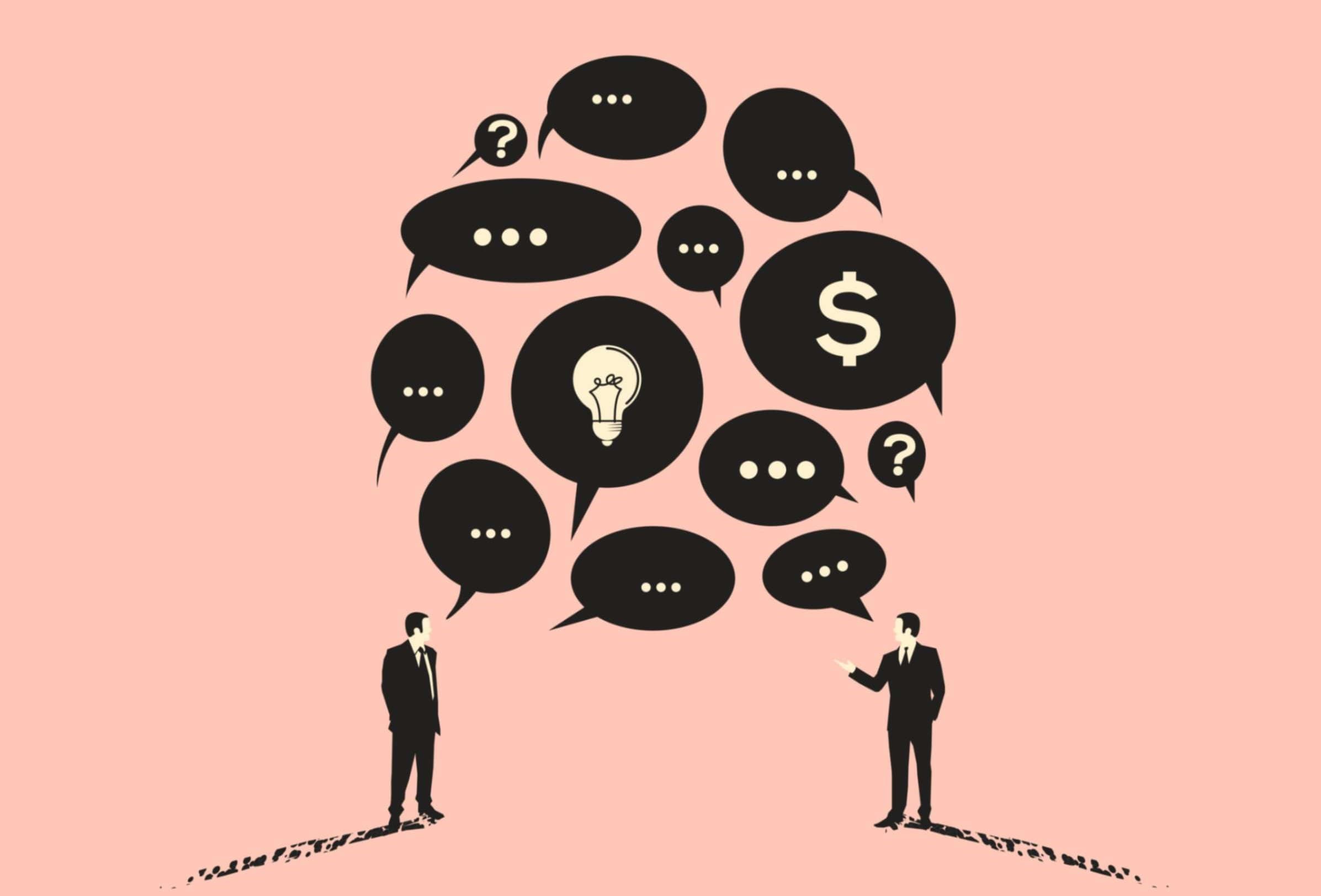
The Meaning We Attach to Communication
One of the things I have become increasingly aware of in professional environments is how often communication is judged without fully understanding the culture, experiences, or patterns behind it.
In workplaces, especially fast-paced leadership environments, we tend to assign meaning to communication styles very quickly. Someone is labeled as direct, passive, defensive, disengaged, emotional, aggressive, long-winded, or unprepared. Sometimes those labels are accurate. Often, they are incomplete.
What we do not always stop to consider is that communication styles are shaped long before people enter the workplace. Family dynamics, cultural background, education, previous work environments, trauma, leadership experiences, and even generational norms all influence how people express themselves, process information, respond to pressure, and interpret interactions with others.
When Storytelling Looks Like Overexplaining
One example I have seen, and am actively working on managing within my own approach, involves context-based communication, or “storytelling”. In some families and cultures, providing the full story is viewed as respectful and responsible. Context matters. Explaining the background, the thought process, and the details is a way of making sure everyone understands the bigger picture and that nothing important is overlooked.
In many organizations, however, especially those operating under constant time pressure, that same communication style can quickly be interpreted as overexplaining, lacking focus, or avoiding accountability. A person who believes they are being thoughtful and transparent may walk away from a meeting feeling dismissed or misunderstood, while the listener may leave frustrated, believing the speaker could not get to the point.
Neither person may have bad intent. They are simply operating from different communication assumptions.
Processing Speed Is Not the Same as Engagement
The same dynamic can happen with processing and response styles. Some people process externally and respond quickly in the moment. Others need time to reflect before offering feedback or making decisions. In collaborative settings, especially meetings, the second group can easily appear disengaged, uncertain, or unprepared to someone who values immediate participation and rapid responses.
In reality, they may simply be processing internally before speaking.
Workplaces often reward speed as a sign of competence, leadership, or confidence. But speed and thoughtfulness are not always the same thing. Some of the most insightful people in organizations are not always the first to respond.
Communication Breakdowns Often Begin with Assumptions
This is where communication breakdowns often begin. Not because people are unwilling to work together, but because assumptions are made before clarification ever happens.
Strong teams and strong leaders create space to explore those differences rather than immediately attaching negative meaning to them. That does not mean organizations abandon expectations around communication, accountability, or performance. Adaptation is still important. Some roles require concise communication. Some environments demand rapid decision-making and quick responses under pressure.
Part of leadership is helping teams identify communication gaps before they become relationship problems. That requires ongoing discussion, clarification around expectations, and curiosity about what people actually mean when they communicate differently than we do.
Sometimes that means clarifying phrases that may carry different meanings depending on a person’s background or experiences. Sometimes it means recognizing that silence does not always equal disengagement. Sometimes it means helping someone learn how to communicate more effectively within a specific organizational culture without making them feel that their natural communication style is inherently wrong.
Adapting Without Losing Yourself
There is a difference between adapting professionally and feeling as though you have to fundamentally change who you are in order to succeed.
Most professional environments require some level of adaptation. Certain roles demand concise communication, rapid responses, or the ability to make decisions quickly under pressure. Learning how to navigate those expectations is part of professional growth.
At the same time, constantly feeling forced to suppress your natural communication style, personality, or processing approach can become exhausting over time. Sustainable growth happens when people learn how to adapt strategically without losing their sense of self in the process.
That balance matters, especially in leadership environments where authenticity and trust are critical to long-term success.
Finding Ways to Adapt
Navigating communication differences requires both awareness and intentional adjustment. That does not mean changing who you are, but it may mean learning how to communicate more effectively within a specific environment.
Some ways to navigate this include:
Open communication with supervisors or team members about communication styles, expectations, and areas where misunderstandings may be happening.
Developing self-awareness around your own patterns in order to stay focused on what a particular situation or environment requires.
Identifying practical ways to adapt to timelines and expectations. For someone who naturally communicates through storytelling and context, that may mean entering meetings with prepared bullet points or key takeaways, knowing additional detail can always be added if needed.
Adaptation becomes more sustainable when people feel they are adjusting strategically rather than suppressing who they are entirely.
Not Every Environment Is the Right Fit
It is also important to recognize that not every organizational environment will be the right fit for every person indefinitely. As organizations evolve, communication expectations and operational demands change. There are times when a position, team, or culture may no longer align with how someone works best.
That is not failure. Sometimes it is simply misalignment.
Not every workplace values the same communication strengths, and not every leadership style thrives in every environment. Recognizing that reality can help people make more intentional decisions about where they can contribute most effectively without feeling pressured to become someone entirely different.
Building Teams That Communicate with Awareness
The goal is not to make everyone communicate the same way. The goal is to build enough awareness, flexibility, and trust that teams can work through differences without immediately assigning negative intent or questioning someone’s value.
Many workplace conflicts are not actually rooted in incompetence or unwillingness to collaborate. They often emerge from unspoken assumptions about how people should communicate, process information, express engagement, and respond under pressure.
Sometimes the biggest communication breakdowns at work are not about what was said, but about the assumptions attached to how it was said.
Further Reading
The Fearless Organization: Creating Psychological Safety in the Workplace for Learning, Innovation, and Growth by Amy C. Edmondson
The Culture Map: Breaking Through the Invisible Boundaries of Global Business by Erin Meyer
Thinking, Fast and Slow by Daniel Kahneman