Are Farmers Becoming Data Scientists? Inside Agriculture’s Digital Shift
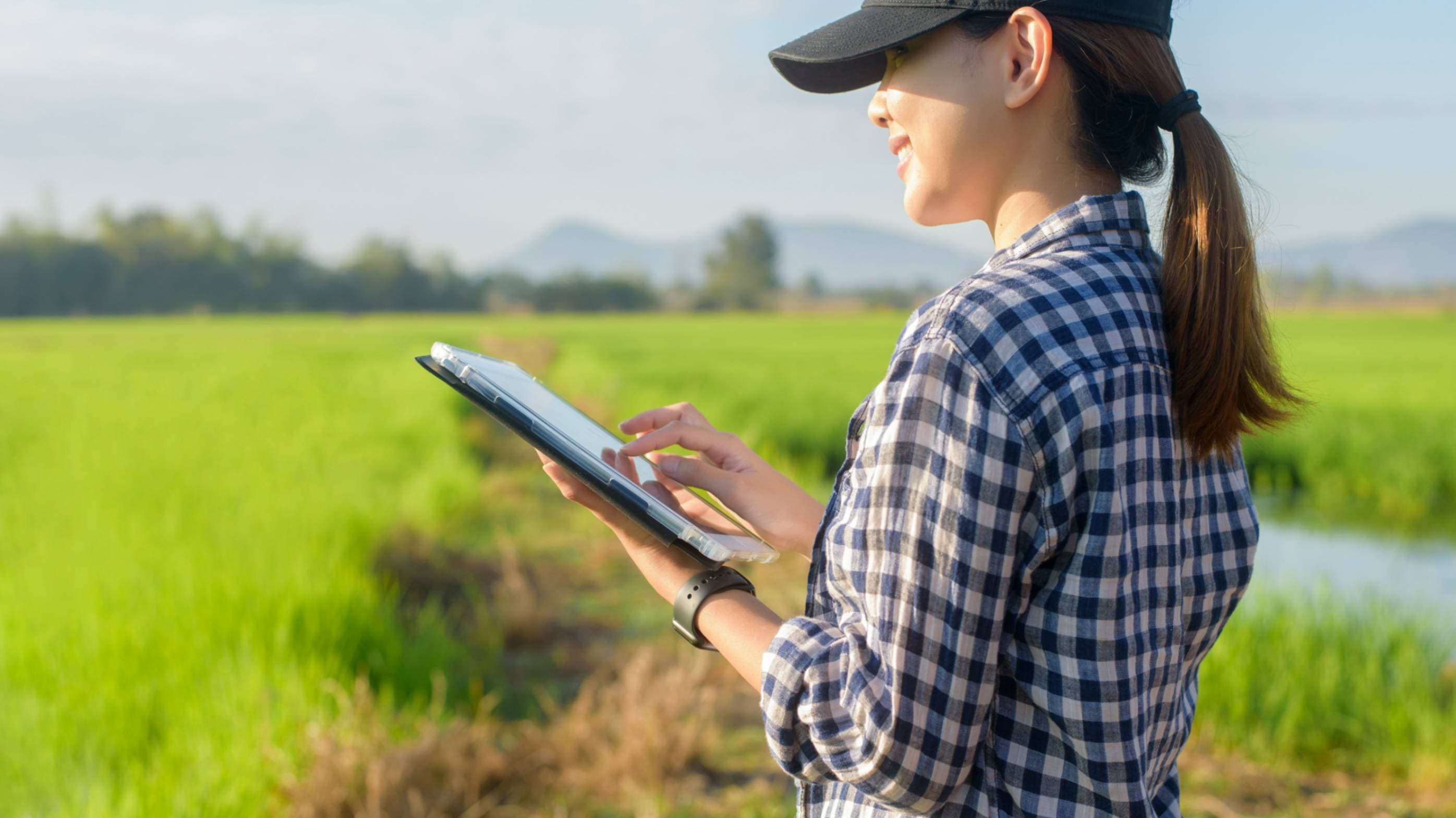
At 7:00 a.m., a farmer checks her phone- not the sky- to decide whether to irrigate. Hundreds of miles above her, satellites have already scanned her fields, flagged stressed crops, and predicted a pest outbreak before it’s visible to the human eye. This isn’t futuristic agriculture- it’s already happening. The question is: how quickly can the rest of us catch up?
Remote Sensing: Seeing What the Naked Eye Can’t
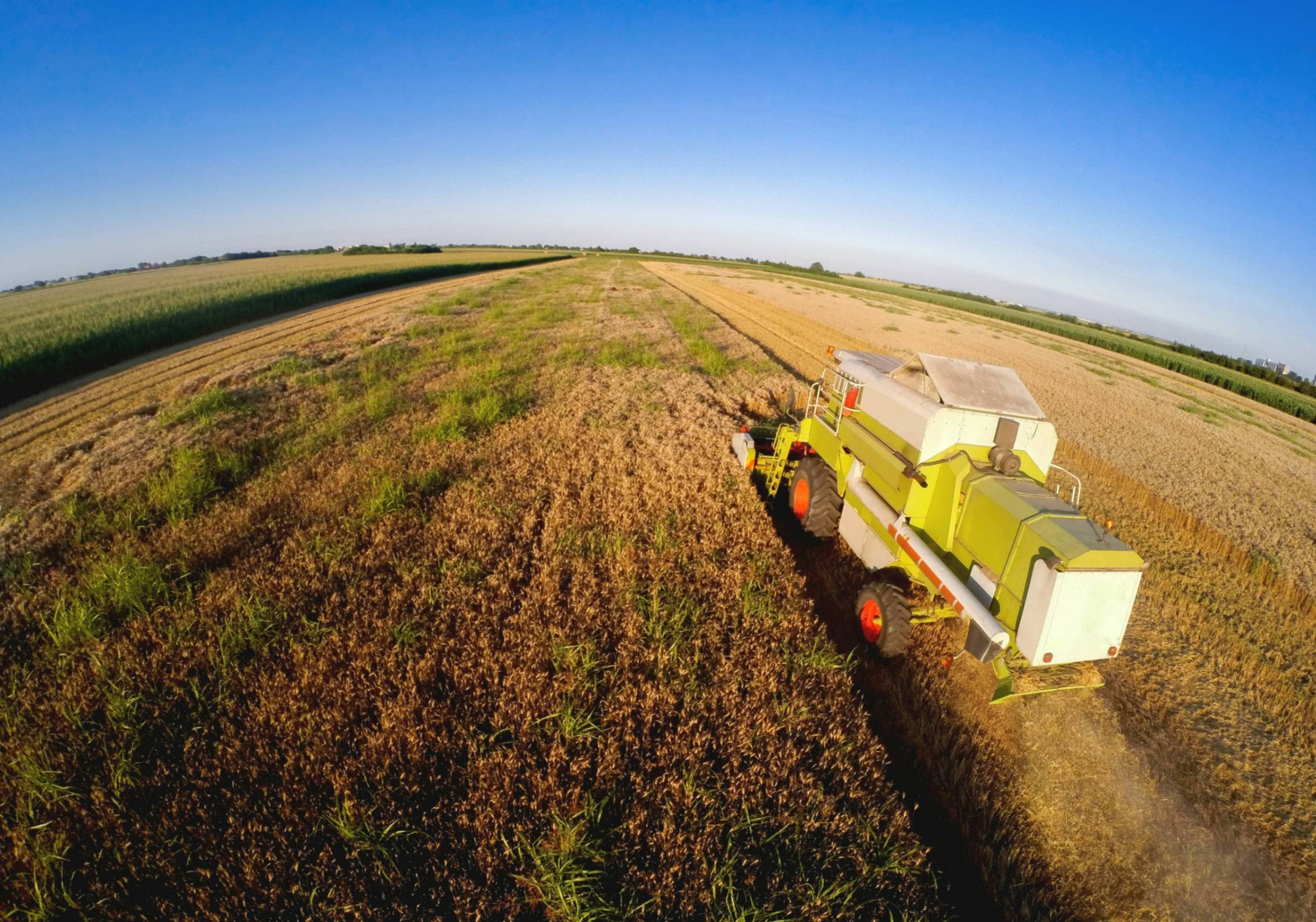
Remote sensing has quietly become agriculture’s most powerful “extra set of eyes.” Satellites and drones now capture real-time data on everything from crop health to soil moisture, turning entire regions into measurable, manageable systems.
Instead of guessing, managers and policymakers can now:
Pinpoint which fields need water—and which don’t
Detect disease before it spreads
Track land use changes with near-perfect accuracy
Imagine a city planning department trying to support regional farms during a drought. Instead of blanket water restrictions, they can target aid to the exact parcels under stress. That’s smarter policy—and better outcomes for everyone.
But here’s the friction point: the upfront cost and the technical learning curve still keep many agencies and farmers on the sidelines. Rural broadband gaps don’t help either. The fastest progress is happening where governments partner with universities and private tech firms—sharing costs, data, and expertise rather than reinventing the wheel.
AI in Agriculture: From Data to Decisions
If remote sensing is the eye, artificial intelligence is the brain.
AI doesn’t just collect data—it interprets it. It connects patterns across seasons, soil types, and weather cycles to answer the questions that keep farmers up at night:
What should I plant? When should I harvest? What’s about to go wrong?
For example, AI models can analyze years of satellite imagery and predict a pest outbreak weeks in advance—giving farmers time to act early, reduce pesticide use, and protect yields.
For leaders and policymakers, this introduces a new responsibility: building trust in these systems. That means:
Clear data governance rules
Transparency in how algorithms make decisions
Ongoing monitoring to avoid bias or blind spots
Done right, AI becomes less of a “black box” and more of a trusted advisor—one that scales expertise across entire regions.
Urban Agriculture: Farming Meets the City
Now shift the scene from wide-open fields to rooftops, warehouses, and repurposed parking garages.
Urban agriculture is no longer a niche idea—it’s a necessity. With supply chains under pressure and cities growing fast, producing food closer to where people live is gaining momentum.
The benefits are tangible:
Shorter supply chains mean fresher food and fewer emissions
Green spaces improve air quality and mental well-being
Local production increases resilience during disruptions
Still, urban farming isn’t plug-and-play. Space is tight, soil can be contaminated, and regulations often lag behind innovation.
That’s where creativity steps in. Vertical farms stack crops floor by floor. Hydroponic systems grow food without soil. A single warehouse can produce the equivalent of several acres of traditional farmland.
Cities that succeed here don’t just allow urban agriculture—they actively enable it through zoning updates, incentives, and pilot programs that lower the barrier to entry.
Policy That Actually Moves the Needle
Technology alone won’t transform agriculture—policy will determine how far and how fast it spreads.
The most effective frameworks focus on three things:
Access: Ensure small and mid-sized farmers aren’t priced out of new technologies
Education: Provide hands-on training, not just funding
Infrastructure: Expand broadband and data systems in rural areas
One practical approach gaining traction is public-private partnerships that bundle tools, training, and financing into a single ecosystem. Instead of handing farmers a new tool and walking away, these programs guide adoption from start to finish.
And for early-career professionals stepping into this space, this is where opportunity lives. The intersection of agriculture, data, and policy is still being built—meaning there’s room to shape it.
From Innovation to Impact
We’re standing at a rare moment where agriculture can become simultaneously more productive and more sustainable. The tools exist. The data exists. The need is urgent.
What happens next depends on execution.
Leaders: invest in systems that scale, not just pilots that impress.
Managers: translate complex tech into practical workflows your teams can actually use.
Early professionals: learn the language of both data and agriculture—you’ll be the bridge this transformation depends on.
Because the future of agriculture isn’t just about growing more food—it’s about growing smarter systems.
And the next move? That’s yours.
References
National Research Council. Earth Observations from Space: The First 50 Years of Scientific Achievements. Washington, DC: National Academies Press, 2008.
Wolfert, S., L. Ge, C. Verdouw, and M.-J. Bogaardt. “Big Data in Smart Farming – A Review.” Agricultural Systems 153 (2017): 69–80.
Kamilaris, A., F. Gao, F. Prenafeta-Boldú, and M. Ali. “Agri-IoT: A Semantic Framework for Internet of Things-enabled Smart Farming Applications.” Computer Networks 153 (2018): 1–18.
Jouanjean, M.-A., J. H. Casalini, J. J. Wiseman, and J. D. Roe. “Issues Paper on Digital Opportunities for Better Agricultural Policies.” OECD Food, Agriculture and Fisheries Papers, no. 124 (2019).
Despommier, Dickson. The Vertical Farm: Feeding the World in the 21st Century. New York: Thomas Dunne Books, 2010.
Specht, Kathrin, et al. “Urban Agriculture of the Future: An Overview of Sustainability Aspects of Food Production in and on Buildings.” Agriculture and Human Values 31, no. 1 (2014): 33–51.
Rosegrant, M. W., and S. A. Cline. “Global Food Security: Challenges and Policies.” Science 302, no. 5652 (2003): 1917–1919.
Meola, Andrew. “How IoT and Big Data Analytics Are Transforming the Agricultural Industry.” Business Insider, 2016.
Garnett, Tara, et al. “Sustainable Intensification in Agriculture: Premises and Policies.” Science 341, no. 6141 (2013): 33–34.