Remote Sensing and Precision Agriculture: A New Era of Field Management
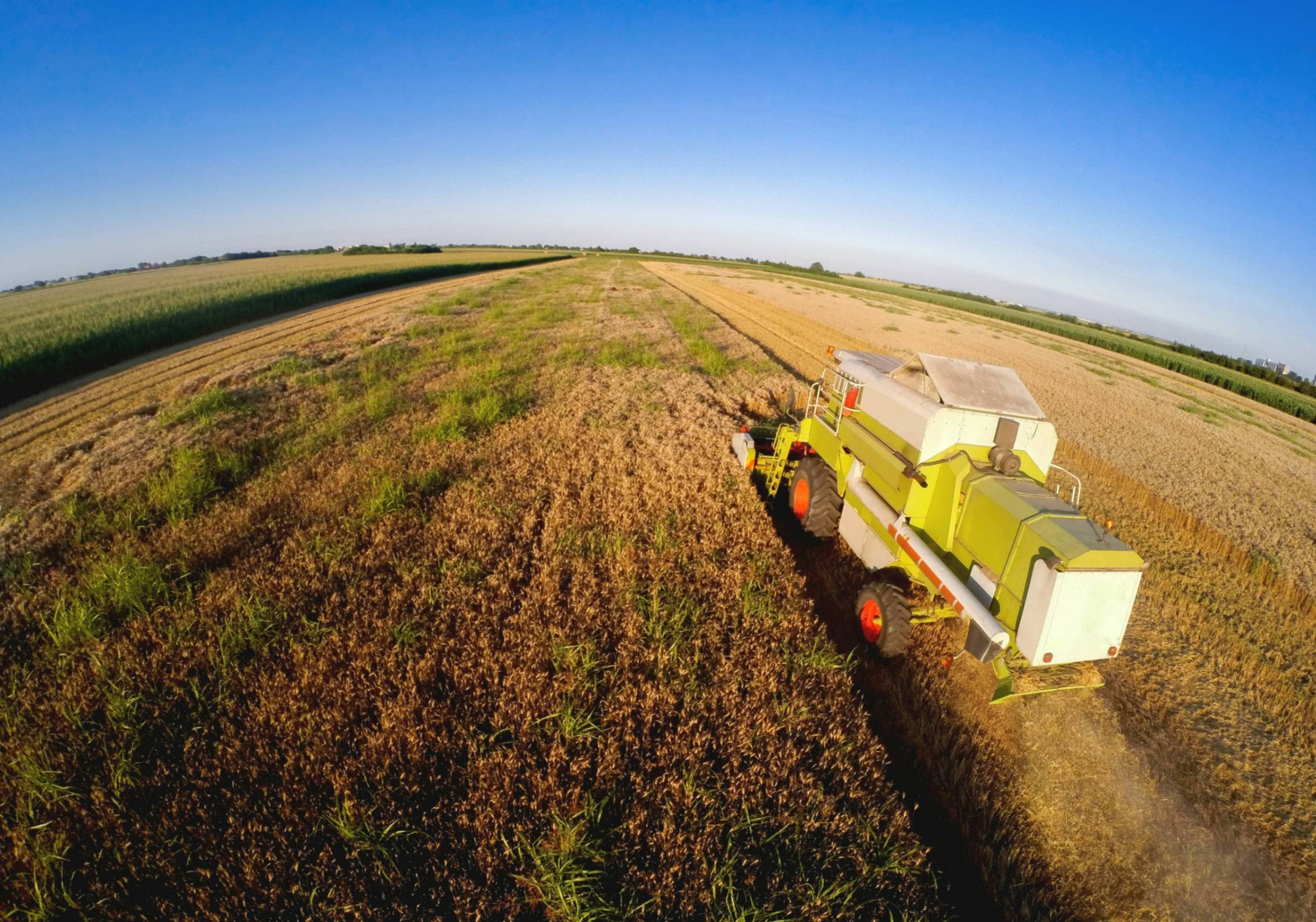
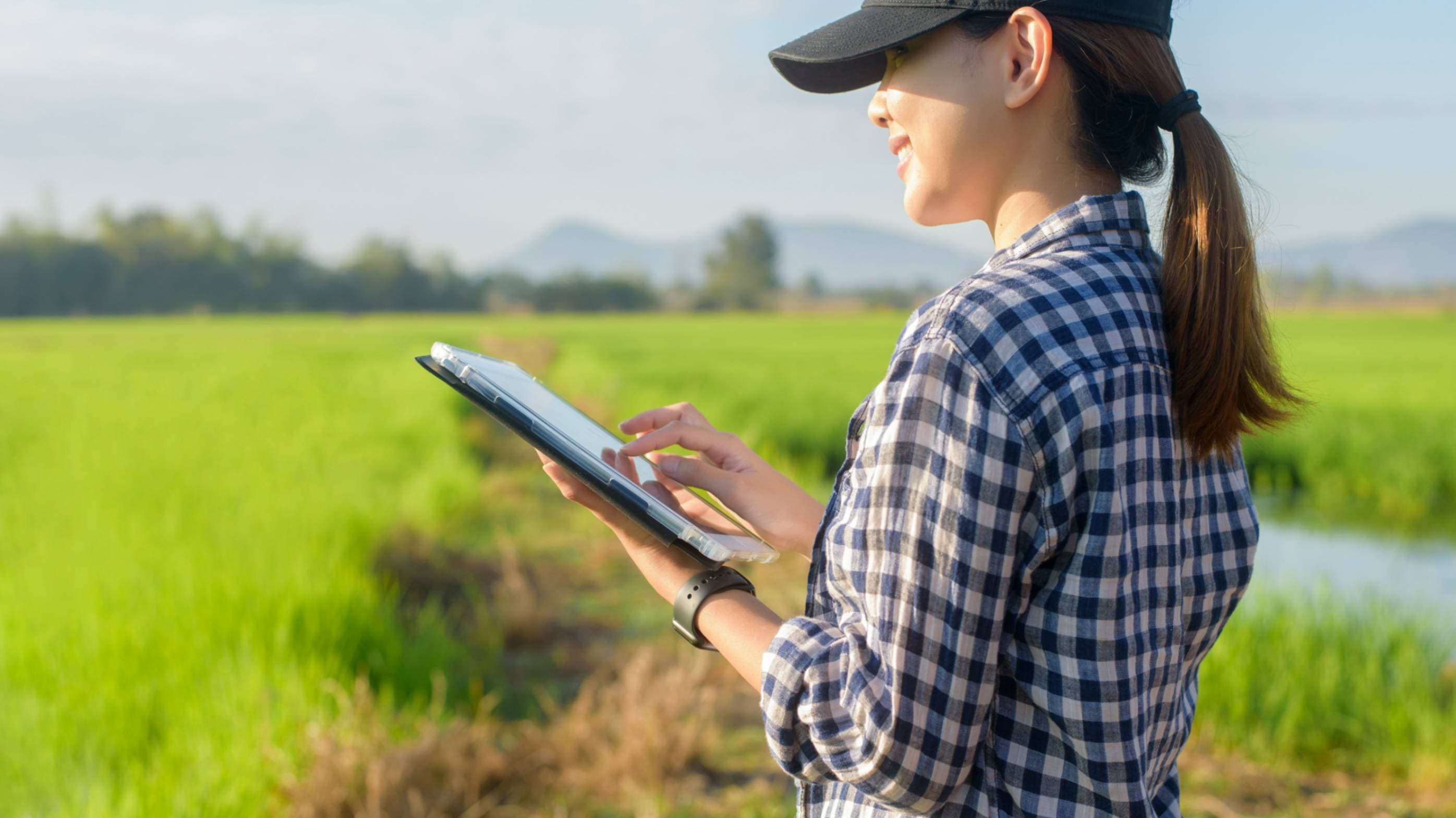
Precision agriculture has become a cornerstone of modern farming, particularly as remote sensing technologies such as satellite imaging and drone surveillance have matured into accessible tools. These systems collect real-time data on soil health, crop growth, and moisture levels, allowing farmers to make informed decisions with pinpoint accuracy. Satellite imagery, for example, offers consistent monitoring of large tracts of farmland, enabling operators to assess vegetation indices and forecast crop yields well before harvest. The integration of technologies like multispectral imaging allows for early detection of plant stress and disease, reducing the need for blanket pesticide application and promoting more targeted interventions1.
Drones offer even greater resolution and flexibility. Equipped with thermal cameras and NDVI sensors, drones can survey hundreds of acres in a matter of hours, identifying irrigation issues, pest infestations, and nutrient deficiencies. This data is then fed into farm management systems, helping producers adjust irrigation schedules, fertilization plans, and planting densities to optimize yields. For municipal governments, supporting drone pilot programs or subsidizing access for local cooperatives can be a practical approach to foster technology adoption at the community level2.
Robotic Automation: Reducing Labor Dependency While Increasing Efficiency
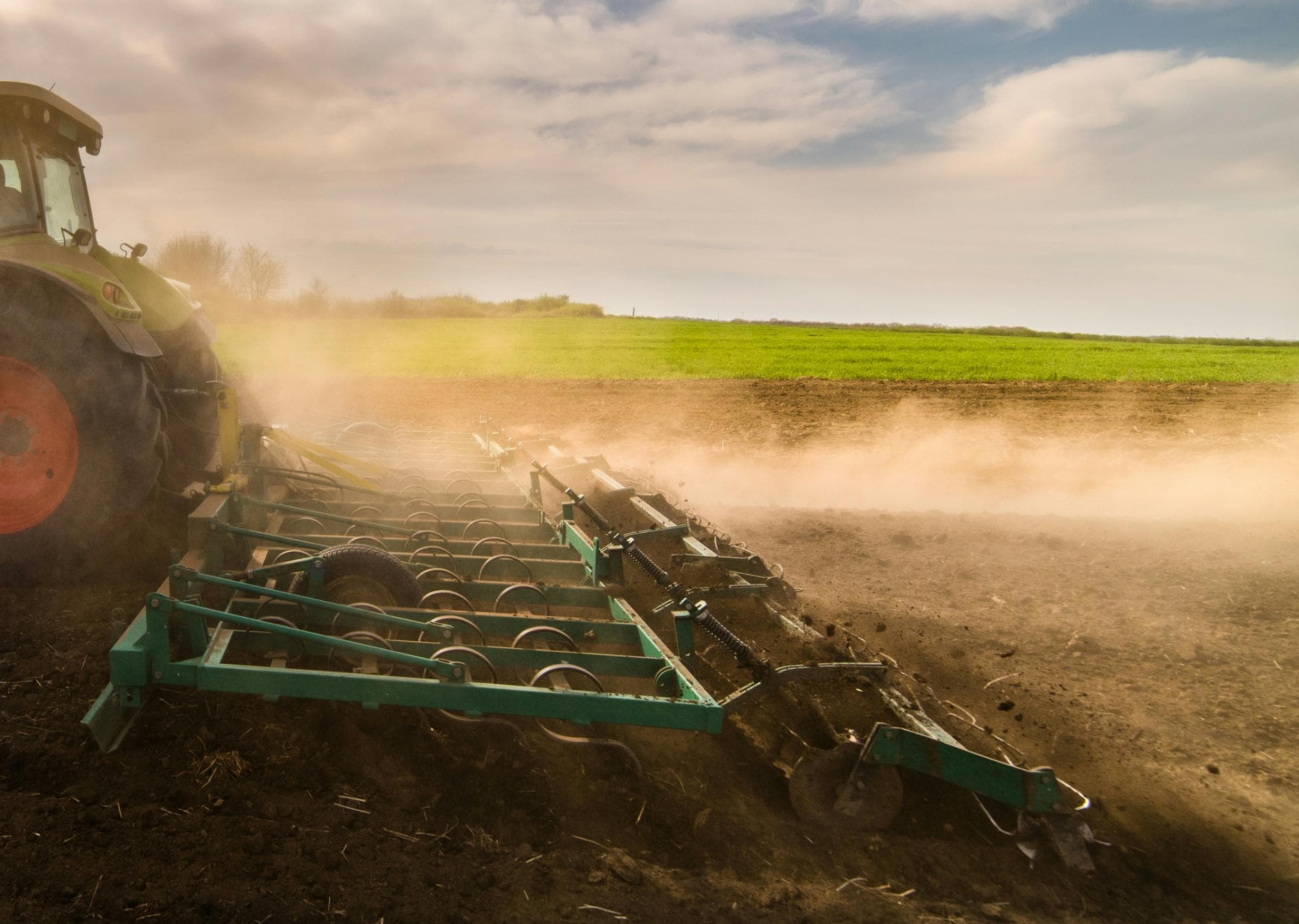
Labor shortages have long plagued the agricultural sector, especially during peak harvest seasons. Robotic automation is emerging as a viable solution to bridge this gap. Autonomous tractors, robotic weeders, and harvest-assist machines are already deployed in many commercial operations. These machines can operate around the clock, reducing reliance on seasonal labor while increasing harvest precision. For example, robotic strawberry pickers now use machine vision and AI algorithms to identify ripe fruit and pick it delicately without damaging the plant3.
Municipalities can play a pivotal role by facilitating local pilot programs or providing shared robotic services via regional agricultural extension offices. For small-scale farmers, access to expensive robotics remains limited. However, the growth of equipment-as-a-service models, where farmers rent robotic tools for specific tasks, is making automation more accessible. Cities and counties can support these initiatives by offering infrastructure, such as wireless connectivity in rural areas, to ensure the seamless operation of autonomous equipment4.
Blockchain for Transparency and Traceability in Food Systems
Blockchain technology is redefining food traceability by creating immutable records of each step in the supply chain. From seed sourcing to final sale, blockchain systems allow consumers and regulators to verify the origin, safety, and handling of agricultural products. This is especially critical in the event of food recalls or contamination incidents. For instance, IBM’s Food Trust platform has been adopted by major retailers and producers to track produce from farm to shelf, reducing food recall response times from days to seconds5.
Blockchain also empowers smallholder farmers, who often struggle to prove the quality or origin of their goods. By participating in verified digital supply chains, these producers can access premium markets previously unavailable to them. Municipal governments can encourage adoption by integrating blockchain into local food procurement systems or by facilitating training sessions for farmers and cooperatives. Doing so supports transparency and fosters trust between consumers, producers, and local authorities6.
Affordable Innovations for Small-Scale Farmers
While large agribusinesses have quickly adopted emerging technologies, small-scale farmers face unique barriers, including cost, training, and infrastructure. Fortunately, affordable innovations are closing this gap. Mobile-based apps like FarmLogs and AgriApp provide soil analysis, weather updates, and crop advisory services tailored to individual farms. These tools are often free or low-cost, requiring only a smartphone and internet connection. For farmers in developing areas or underserved rural regions, this democratization of information enables better decision-making and reduces risk7.
Municipal governments and agricultural agencies can amplify these benefits by distributing devices, offering digital literacy programs, and expanding connectivity in rural zones. Initiatives like community Wi-Fi hubs or partnerships with telecom providers ensure access to these tools. Additionally, local governments can help smallholders form cooperatives to share the cost of advanced tools like soil sensors or small drones. These collective models not only reduce financial burden but also foster knowledge sharing within farming communities8.
Climate-Smart Agriculture Through Digital Tools
As climate variability intensifies, farmers must adapt quickly to changing conditions. Digital tools offer critical support in this effort. Weather forecasting platforms, powered by AI and satellite data, now offer hyperlocal predictions that guide planting and harvest schedules. Decision support systems also integrate soil data, crop models, and historical climate records to offer scenario planning for droughts, floods, or pest outbreaks. These capabilities help farmers make proactive choices, such as switching to drought-resistant varieties or adjusting fertilizer application to prevent runoff during expected rain events9.
For municipalities, promoting the adoption of climate-smart tools is both an agricultural and environmental priority. Local governments can incorporate digital agriculture into climate adaptation plans or offer incentives for farms that integrate sustainable practices verified by digital platforms. For instance, precision fertilization reduces greenhouse gas emissions by minimizing excess nitrogen use. When adopted at scale, such practices contribute to broader environmental goals and improve the resilience of local food systems against future shocks10.
Public Infrastructure and Policy Support for Agricultural Innovation
The full benefits of agricultural technology can only be realized when supported by robust infrastructure and policy frameworks. Broadband internet access, reliable electricity, and open data platforms are foundational for deploying high-tech farming solutions. In many rural areas, these basics are still lacking. Municipal governments can address this by prioritizing broadband expansion and supporting public-private partnerships that deliver essential infrastructure to farming communities11.
Policy also plays a crucial role. Local governments can revise zoning laws to accommodate agri-tech facilities, streamline permitting for drone usage, and offer tax incentives for equipment upgrades. Extension services, often underfunded, should be equipped to train farmers on the use and maintenance of technological tools. By creating an enabling environment, municipal administrations not only support innovation in agriculture but also strengthen the economic base of their communities12.
Building a Resilient and Profitable Agricultural Future
Technology is not a replacement for traditional farming wisdom but a tool that enhances it. By integrating digital tools with local knowledge, farmers can increase productivity, reduce environmental impact, and create more stable livelihoods. Municipal leaders, agricultural practitioners, and educators have a shared responsibility to ensure that these technologies are accessible, affordable, and aligned with local needs. This requires sustained investment in infrastructure, education, and policy reform.
As agriculture continues its transition from soil to silicon, the most successful communities will be those that embrace innovation without losing sight of the social and ecological foundations of farming. By leveraging technology strategically, municipal governments can help build food systems that are not only more efficient but also more equitable and sustainable. The future of farming lies in the thoughtful integration of data, machines, and human insight, working together to nourish both people and the planet.
Bibliography
United States Department of Agriculture. "Satellite Imagery and Agricultural Monitoring." USDA, 2023. https://www.usda.gov/satellite-monitoring.
Food and Agriculture Organization. "Drones for Agriculture." FAO, 2022. https://www.fao.org/3/i8494en/I8494EN.pdf.
National Institute of Food and Agriculture. "Robotics in Agriculture." USDA NIFA, 2021. https://nifa.usda.gov/funding-opportunity/automation-and-robotics.
World Bank. "Precision Agriculture and the Future of Farming in Africa." World Bank Group, 2020. https://documents.worldbank.org/en/precision-agriculture-africa.
IBM. "IBM Food Trust: Blockchain for the Food Ecosystem." IBM, 2023. https://www.ibm.com/blockchain/solutions/food-trust.
Harvard Business Review. "Blockchain Could Help Farmers – But Only If It's Built for Them." HBR, 2021. https://hbr.org/2021/06/blockchain-could-help-farmers-but-only-if-its-built-for-them.
International Telecommunication Union. "Digital Agriculture: Farmers in the Digital Age." ITU, 2022. https://www.itu.int/en/ITU-D/agriculture.
World Economic Forum. "Innovation with a Purpose: The Role of Technology Innovation in Accelerating Food Systems Transformation." WEF, 2018. https://www.weforum.org/reports/innovation-with-a-purpose.
National Oceanic and Atmospheric Administration. "Climate Resilience Toolkit: Agriculture." NOAA, 2023. https://toolkit.climate.gov/topics/agriculture.
Environmental Protection Agency. "AgSTAR: Precision Agriculture and Greenhouse Gas Reduction." EPA, 2022. https://www.epa.gov/agstar/precision-agriculture-and-ghg-reduction.
Federal Communications Commission. "Broadband Deployment Report 2023." FCC, 2023. https://www.fcc.gov/reports-research/reports/broadband-progress-reports/.
National Association of Counties. "Supporting Rural Infrastructure through County Policy." NACo, 2021. https://www.naco.org/resources/supporting-rural-infrastructure.