Feeding the Future: Smart Strategies for Sustainable Local Economies
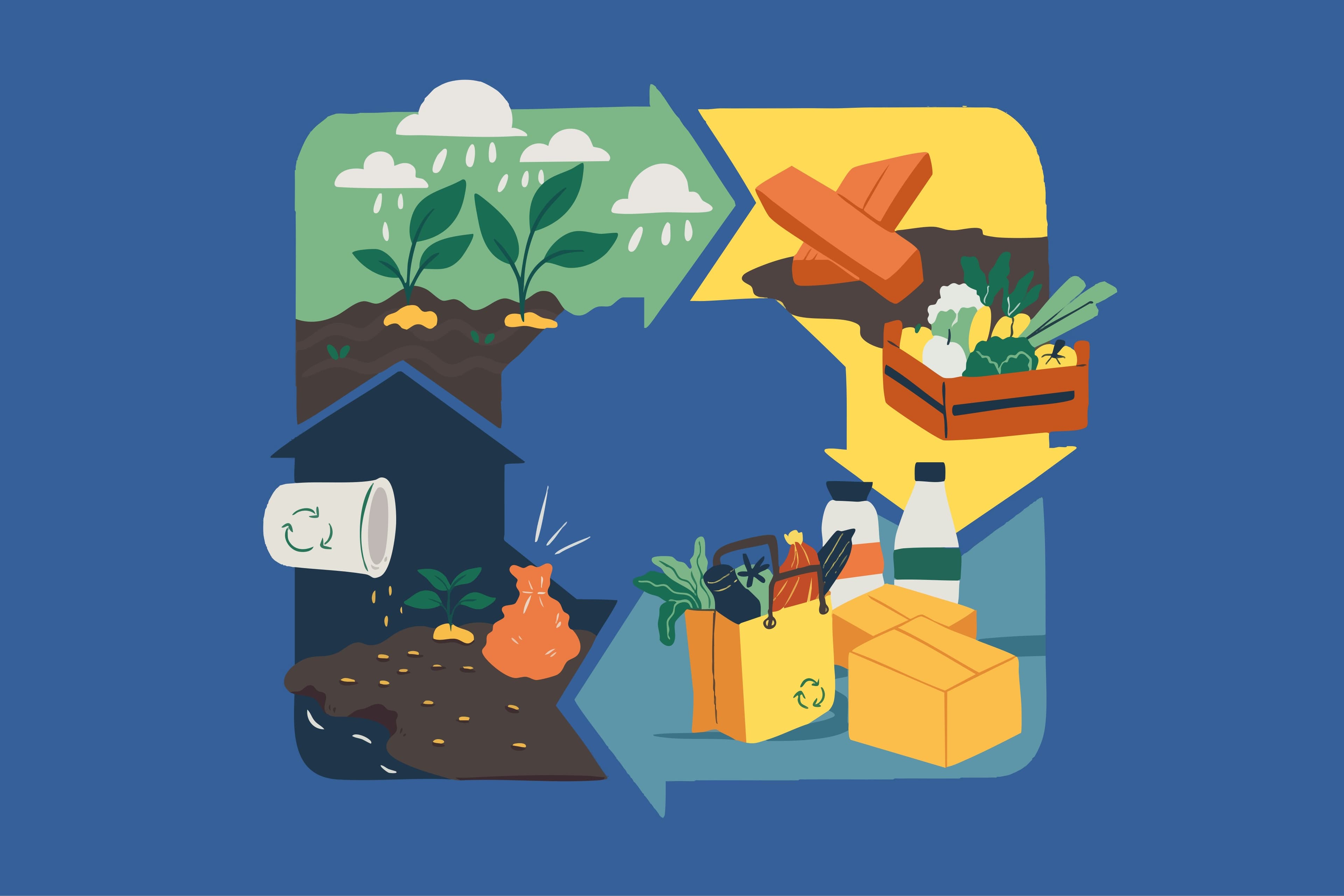
Across the nation, communities are reimagining what it means to put food on the table- turning backyards, vacant lots, and even rooftops into engines of growth and resilience. As grocery prices climb and supply chains wobble, families and local leaders are discovering that sustainable food systems aren’t just about fresh produce- they’re about empowerment, equity, and economic opportunity. By aligning local policy, planning, and partnerships, towns and cities can transform how residents grow, share, and access nutritious food- building not only healthier diets, but healthier economies that thrive from the ground up.
Economic development professionals can help create the conditions for these practices to thrive by integrating them into local planning, housing, and health initiatives. For example, zoning codes can be updated to allow for backyard greenhouses, community gardens, and small livestock in residential areas. These changes empower families to take ownership of their food supply, reduce grocery bills, and improve nutritional outcomes.
Local governments in both urban and rural areas can also repurpose underutilized land as community growing spaces. Vacant lots, schoolyards, and former industrial parcels can be transformed into productive sites that not only provide fresh food but also foster community engagement and skill-building. Partnerships with land trusts, nonprofits, and educational institutions can help secure long-term access to these spaces. These efforts contribute to local economic sustainability by reducing household food costs and creating small-scale entrepreneurial opportunities for residents who wish to sell or trade their surplus produce.
Stretching a Dollar Through Strategic Food Planning
For families seeking to balance economic realities with healthier choices, strategic food planning is essential. Growing your own produce is a solid starting point, but maximizing savings requires clear goals and practical steps. One cost-effective approach is to focus on high-value crops that are expensive in stores but easy to grow at home, such as salad greens, herbs, tomatoes, and peppers. These crops can be harvested continuously through the season, reducing the need for frequent grocery trips and encouraging healthier eating habits.
Bulk purchasing and cooperative buying are also effective for stretching dollars. Families can join or form food co-ops that purchase staples like grains, beans, and oils in large quantities at wholesale prices. This not only lowers per-unit costs but also reduces packaging waste and transportation-related expenses. Freezing or preserving these bulk items further extends their value. Local governments can support these efforts by providing shared-use kitchens or storage spaces in community centers, libraries, or schools, ensuring that residents have access to the equipment needed for food preservation.
Building Resilience Through Local Food Infrastructure
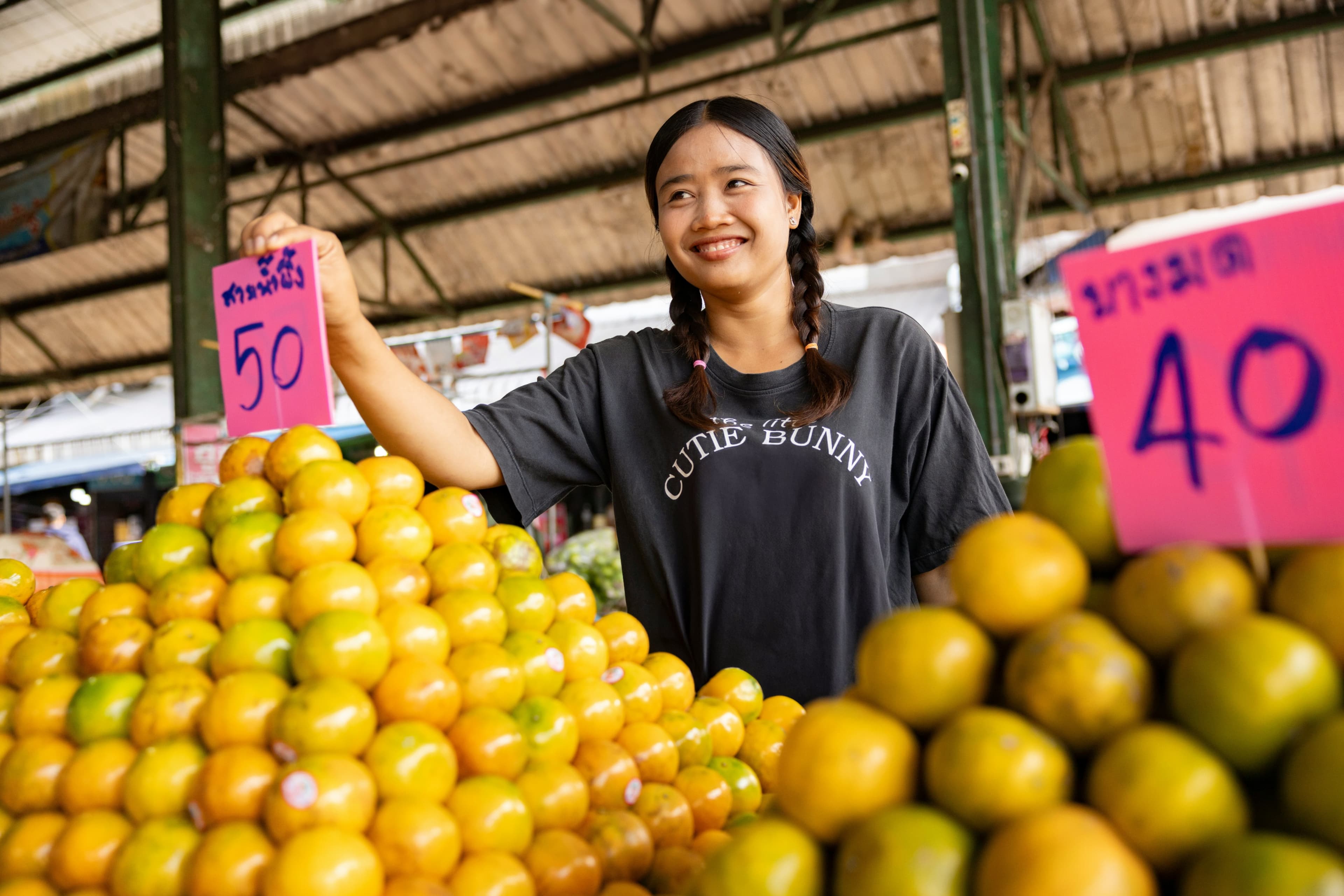
Supporting local food infrastructure is a proven way to strengthen economic development while fostering food security. Farmers' markets, community-supported agriculture (CSA) programs, and cooperative food hubs are critical components in this system. These platforms allow small-scale producers to reach consumers directly, improving margins for farmers and access for buyers. To make these systems more resilient and inclusive, local governments should explore ways to streamline permitting, reduce vendor fees, and provide marketing support for seasonal markets and pop-up food events.
Economic development staff can also work with regional planning organizations to map existing food assets and identify gaps in access or distribution. This data-driven approach supports targeted investment in underserved areas and informs infrastructure decisions, such as locating new cold storage facilities or mobile market routes. Programs like the USDA’s Local Food Promotion Program offer grant funding for initiatives that increase the availability of locally and regionally produced food, helping municipalities and nonprofit partners scale their efforts effectively1.
Integrating Food Education into Workforce and Youth Programs
For long-term sustainability, food education should be embedded in workforce development and youth programming. Teaching residents how to grow, preserve, and prepare food builds transferable skills that can lead to employment or entrepreneurship in agriculture, culinary arts, or nutrition services. Community colleges and technical schools can develop certificate programs in sustainable agriculture or food systems management, especially when tied to local labor market needs.
Youth-focused initiatives, such as school gardens and 4-H clubs, create early exposure to food literacy and environmental stewardship. These programs often lead to improved academic outcomes and greater civic participation. Economic development professionals can partner with school districts, cooperative extensions, and local nonprofits to integrate gardening and food preservation into after-school and summer learning programs. Doing so helps cultivate a generation of residents with the skills needed to contribute meaningfully to their local food economies.
Leveraging Public-Private Partnerships for Greater Impact
Public-private partnerships (PPPs) play an important role in scaling food access and sustainability initiatives. For example, grocery retailers and food distributors can collaborate with local governments to expand access to healthy, affordable foods through mobile markets or delivery services in rural and low-income urban neighborhoods. These partnerships can be structured through shared investment in infrastructure, marketing, or workforce training to ensure mutual benefit and accountability.
Additionally, private foundations and corporate social responsibility programs often fund food system innovations that align with economic development goals. Communities can use these resources to pilot new models such as urban vertical farms, hydroponic greenhouses, or zero-waste food hubs. Economic development practitioners should be proactive in identifying corporate partners with aligned interests and facilitating introductions between them and local food entrepreneurs or nonprofit organizations.
Policy Recommendations for Local Economic Development Leaders
Based on the strategies outlined, several policy recommendations emerge for local economic development professionals. First, prioritize food system planning as a component of comprehensive or strategic plans. This includes conducting food system assessments, updating zoning codes to support urban agriculture, and incentivizing local food procurement in public institutions such as schools and hospitals. These actions create a framework that legitimizes and supports sustainable food production as an economic development strategy.
Second, advocate for the inclusion of food systems in federal and state funding opportunities. This could mean applying for USDA block grants, leveraging Community Development Block Grant (CDBG) funds for food infrastructure, or aligning food strategies with climate resilience or health equity plans. By embedding food sustainability into broader policy agendas, local leaders can secure more stable funding and political support for initiatives that benefit families and communities alike.
Conclusion: A Practical Path Forward
The shift toward self-reliant food practices is not only a response to economic pressure but also a significant opportunity for community-based economic development. Families who grow and preserve their own food are investing in their health, resilience, and financial well-being. Local leaders and practitioners have a vital role to play in supporting these efforts through infrastructure, policy, and education.
By aligning food system strategies with larger economic and social goals, communities can build resilient economies that serve everyone, from single households to regional networks. With thoughtful planning and cross-sector collaboration, sustainable food practices can become a cornerstone of equitable, long-term economic development.
Bibliography
United States Department of Agriculture Agricultural Marketing Service. “Local Food Promotion Program.” Accessed May 1, 2024. https://www.ams.usda.gov/services/grants/lfpp.
United States Department of Agriculture Natural Resources Conservation Service. “High Tunnel System Initiative.” Accessed May 1, 2024. https://www.nrcs.usda.gov/programs-initiatives/high-tunnel-system-initiative
Maine Federation of Farmers’ Markets. “About Maine’s Farmers’ Markets.” Accessed May 1, 2024. https://www.mainefarmersmarkets.org
Maine Department of Agriculture, Conservation and Forestry. “Market and Food Systems.” Accessed May 1, 2024. https://www.maine.gov/dacf/ard/market_promotion/index.shtml
National Center for Home Food Preservation. “How Do I Can?” University of Georgia. Accessed May 1, 2024. https://nchfp.uga.edu/how/can_home.html
University of Maine Cooperative Extension. “Home and Garden.” Accessed May 1, 2024. https://extension.umaine.edu/gardening
United States Department of Agriculture National Agroforestry Center. “Agroforestry Practices.” Accessed May 1, 2024. https://www.fs.usda.gov/nac/practices