When Tourists Double the Demand: Designing Infrastructure for Seasonal Kaw Lake Crowds
Tucked onto a slim peninsula on Kaw Lake in north-central Oklahoma, Kaw City may look like a sleepy lakeside town, but its infrastructure tells a very different story. Each summer, water use surges, the few access roads fill with visitors, and shoreline parks become the community’s economic engine. At the same time, Kaw City has to harden its systems against Oklahoma’s punishing storms and prepare for an aging population on aging pipes. This article peels back the pavement to show how a small peninsula town is quietly rewriting the playbook on resilient water, roads, and recreation.
Kaw City's infrastructure planning must account for its dual identity as a permanent residential area and a seasonal destination. This dynamic creates variable demand on its water systems throughout the year. During peak summer months, water consumption can increase significantly due to recreational visitors and temporary residents. It is critical to size water treatment and distribution systems to accommodate these surges without compromising service to year-round residents. Strategic use of variable frequency drives on pumps and modular filtration units allows the system to scale operations efficiently based on seasonal demand patterns1.
In addition to capacity planning, resilience planning is equally important. The city has initiated storm hardening measures, such as elevating critical electrical components above flood-prone elevations and installing backup generators at key pumping stations. Given Oklahoma’s susceptibility to extreme weather events, including severe thunderstorms and tornadoes, these investments help maintain service continuity during outages. The integration of SCADA (Supervisory Control and Data Acquisition) systems enables remote monitoring and rapid response to disruptions, reducing the risk of prolonged service interruptions2.
Roadway and Access Infrastructure in Peninsular Settings
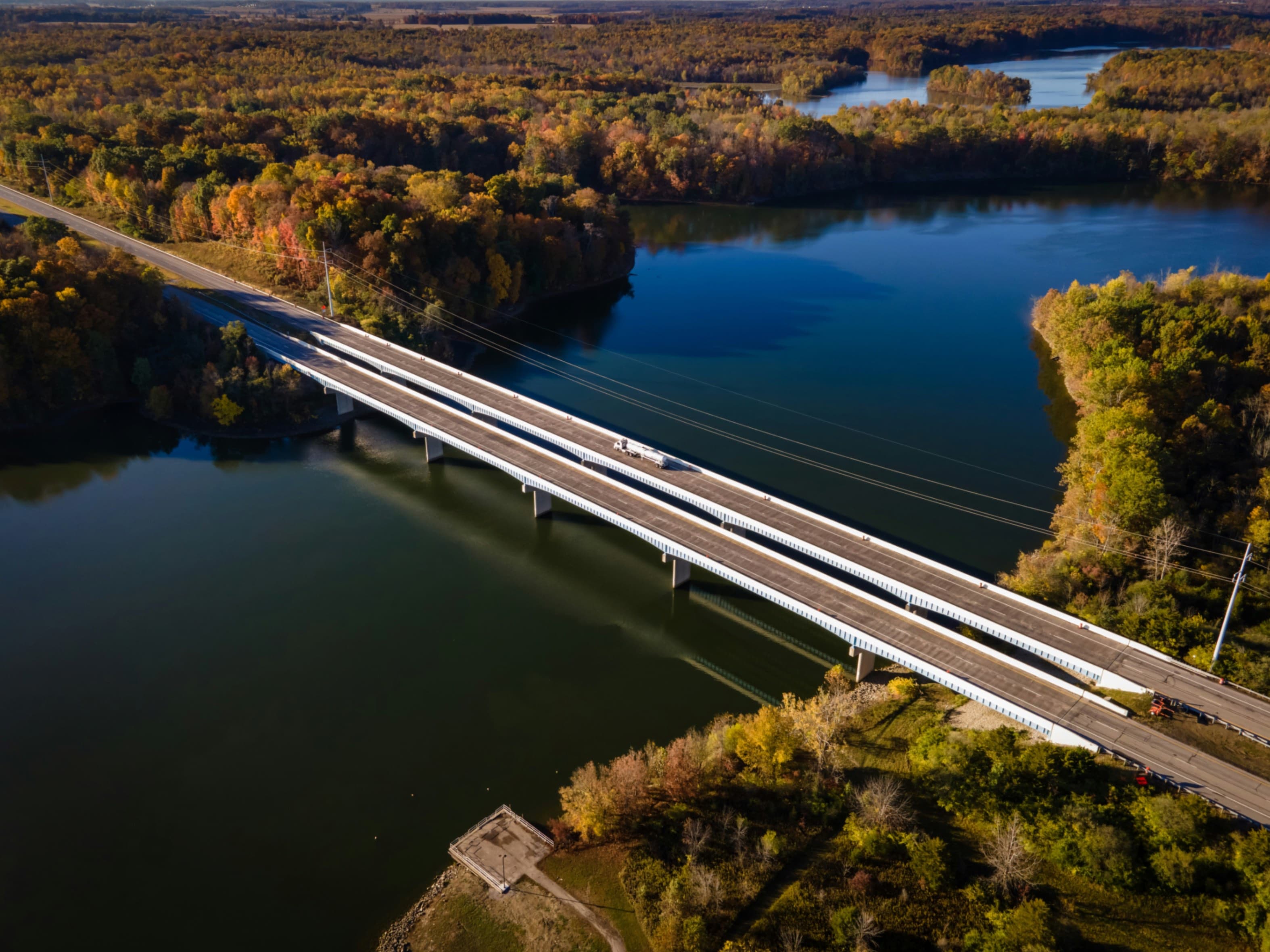
Kaw City's location on a peninsula introduces unique challenges for transportation infrastructure. Limited ingress and egress routes require robust maintenance and contingency planning to ensure accessibility year-round. The primary access roads must be designed and maintained to accommodate emergency vehicles even during adverse weather conditions. Routine pavement condition assessments and targeted resurfacing programs help extend the lifespan of these critical corridors while minimizing disruptions to residents and visitors3.
Drainage is a key consideration in the design of the city’s roads, especially where steep grades can accelerate runoff. Culvert replacements and roadside ditch improvements have been included in recent capital improvement plans to mitigate erosion and flooding. These upgrades are coordinated with utility projects to avoid redundant excavation. Coordination across departments and with county-level agencies ensures that road and utility improvements are cost-effective and implemented with minimal disruption to local traffic patterns4.
Utility Coordination and Long-Term Investment Planning
Infrastructure management in Kaw City increasingly relies on long-term asset management strategies. The city has adopted a five-year capital improvement plan that aligns utility upgrades, road maintenance, and stormwater improvements. This proactive planning process is supported by condition assessments and life-cycle cost analyses, allowing the city to prioritize projects based on risk and return on investment. The use of GIS mapping tools has enhanced the city's ability to visualize infrastructure assets and coordinate across public works functions5.
Utility coordination is particularly important given the limited physical space on the peninsula and the aging nature of buried infrastructure. Electric, water, and telecommunications lines often share corridors, necessitating detailed planning during excavation. Joint trenching policies have been implemented to reduce costs and minimize pavement cuts. Additionally, coordination with private utility providers ensures that any upgrades to public infrastructure are not undermined by uncoordinated utility installations that may require premature rework6.
Maintaining Recreational Infrastructure as Economic Drivers
Kaw Lake’s recreational infrastructure plays a significant role in the local economy and requires ongoing investment. Boat ramps, picnic areas, campgrounds, and associated sanitation facilities are maintained not only for public enjoyment but also as economic assets. The city collaborates with the U.S. Army Corps of Engineers, which manages much of the lake’s shoreline, to ensure that infrastructure upgrades meet federal safety and accessibility standards. These partnerships are vital in securing grants and cost-sharing arrangements for capital improvements7.
Seasonal demand also places stress on restroom facilities, parking areas, and waste collection systems. To address this, the city has implemented a seasonal maintenance staffing model, hiring temporary public works personnel during high-use periods. This approach ensures that facilities remain clean and operational while maximizing budget efficiency. Infrastructure planning in these areas also considers long-term sustainability, incorporating features such as solar-powered lighting and low-flow plumbing to reduce operational costs8.
Future Challenges and Strategic Adaptation
Looking ahead, Kaw City faces several infrastructure challenges that require strategic adaptation. Climate variability, including more intense rainfall events, demands that stormwater systems be evaluated for capacity and redundancy. The city is exploring green infrastructure options, such as bioswales and permeable pavements, to supplement traditional stormwater controls. These systems not only increase infiltration but also improve water quality before runoff enters Kaw Lake, a critical drinking water source9.
Population trends also inform future infrastructure needs. While the city currently serves a stable or slowly growing population, shifts in demographics, particularly an aging population, suggest the need for more accessible public infrastructure. Sidewalk upgrades, ADA-compliant facilities, and enhanced transit connections are being evaluated. These considerations are integrated into the city's comprehensive plan, ensuring that infrastructure investments align with long-term community goals and regulatory requirements10.
Bibliography
Oklahoma Water Resources Board. "Water System Planning Guide for Small Communities." 2021. https://owrb.ok.gov.
Federal Emergency Management Agency (FEMA). "Building Community Resilience with Nature-Based Solutions." 2022. https://www.fema.gov.
Oklahoma Department of Transportation. "Pavement Management Program Annual Report." 2023. https://www.odot.org.
National Cooperative Highway Research Program. "Drainage Infrastructure Asset Management." NCHRP Report 956, 2021.
American Public Works Association. "Asset Management for Public Works: A Practitioner’s Guide." 2020.
Federal Highway Administration. "Utility Coordination Best Practices Guidebook." 2019. https://www.fhwa.dot.gov.
U.S. Army Corps of Engineers. "Kaw Lake Master Plan." Revised 2020. https://www.swt.usace.army.mil.
National Recreation and Park Association. "Seasonal Staffing Strategies." 2021. https://www.nrpa.org.
Environmental Protection Agency. "Stormwater Management Best Practices." 2022. https://www.epa.gov/npdes.
Oklahoma Department of Commerce. "State Demographic Trends and Infrastructure Impacts." 2023. https://www.okcommerce.gov.
More from Infrastructure
Explore related articles on similar topics