Pipes, Pavement, and Pumps: How One Oklahoma Town Reinvents Its Infrastructure
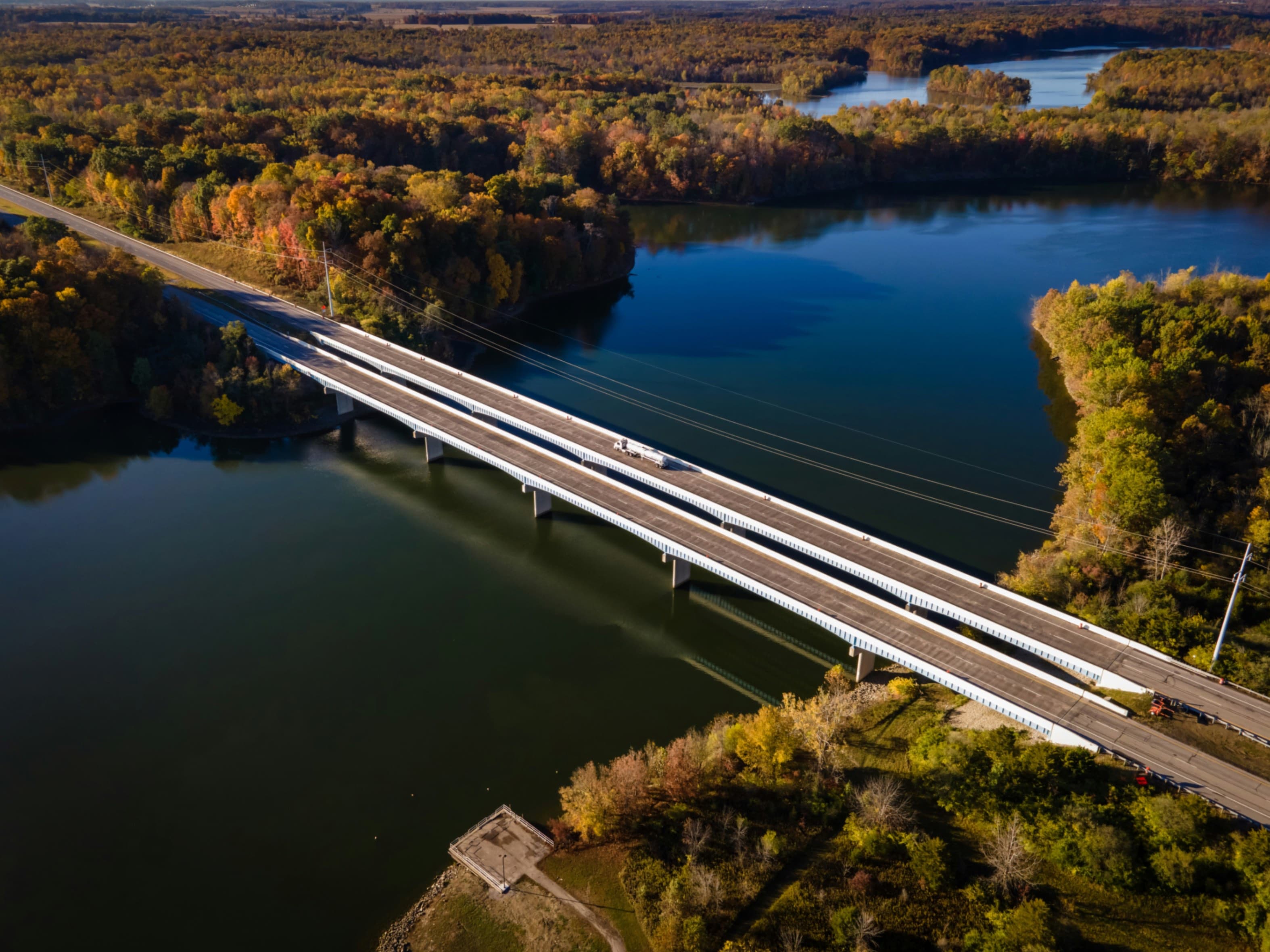
Covington is what happens when an old oil town collides with twenty‑first‑century growth: roads built for pump trucks now serve school runs, leaky mid‑century pipes feed fracking and new cul‑de‑sacs, and rural co‑ops scramble to keep the lights on for both rigs and living rooms. In the middle of this tug‑of‑war, the town is quietly writing a new rural playbook- using smart pavement and asset management, drought‑ready water planning, and grid and drainage upgrades- to stretch every dollar and stay one step ahead of floods, droughts, and the next energy boom or bust.
Transportation Network Modernization
With the Garber-Covington oil field legacy shaping regional planning, transportation infrastructure plays a dual role: supporting energy logistics and serving residential mobility needs. Covington has prioritized the rehabilitation of its arterial and collector roadways, many of which were originally constructed to support oil field vehicle loads. These roads now face additional strain from modern extraction equipment and increased civilian traffic due to population growth. As a result, the town has adopted a pavement management system that includes regular condition assessments and life-cycle cost analysis to optimize resurfacing schedules and allocate limited funds more effectively1.
In coordination with the Oklahoma Department of Transportation, Covington has pursued state and federal funding through programs such as the Surface Transportation Block Grant (STBG) to upgrade key freight corridors that connect oil field service areas to interstate highways. These improvements include lane widening, shoulder stabilization, and culvert replacements to prevent seasonal flooding from disrupting supply chains2. By aligning projects with regional transportation improvement plans, Covington ensures its infrastructure investments are eligible for funding while meeting long-term strategic goals.
Water Infrastructure and Resource Management
The town's ongoing upgrades to its water distribution lines are necessary to address both aging infrastructure and growing demand. Much of Covington's water system was installed during mid-20th century energy booms and now suffers from pipe corrosion, leakage, and pressure inconsistencies. The town has adopted an asset management approach, using GIS mapping and condition ratings to prioritize pipe replacements and valve upgrades3. Special attention is given to lines serving high-consumption users, such as extraction equipment yards and crew housing complexes.
Water supply reliability is also a pressing issue given the increased demand from both residential expansion and hydraulic fracturing operations. Covington is working with regional water authorities to secure long-term water rights and improve system redundancy through interconnections with neighboring rural water districts. These enhancements not only improve service continuity but also prepare the town for drought contingencies, which are becoming more frequent in the region4. Capital improvement planning now includes drought-resistant infrastructure such as deeper wells and variable-frequency pump systems.
Electric Grid Capacity and Redundancy
Rural electric cooperatives continue to be vital in powering both residential developments and industrial oil field operations around Covington. To accommodate increasing load demands, especially from high-horsepower pumps and compressors, cooperatives are upgrading substations and expanding three-phase line coverage. These investments are coordinated through long-term integrated resource plans that forecast usage patterns based on both demographic trends and industry projections5.
In addition to capacity expansion, system reliability has become a focus area. Covington supports the deployment of smart grid technologies such as automated sectionalizers and remote fault detection, which reduce outage durations and improve maintenance efficiency. Funding for these upgrades has been obtained through the USDA’s Rural Utilities Service, which offers support for grid modernization in energy-intensive rural communities6. These efforts enhance the town's resilience, ensuring critical operations like water pumping stations and emergency services remain functional during power disruptions.
Stormwater and Drainage Improvements
As part of its broader infrastructure strategy, Covington is addressing deficiencies in stormwater management that have historically led to localized flooding during heavy rain events. These issues are particularly acute near oil field access roads and older residential zones where drainage infrastructure was either undersized or never formally constructed. The town has initiated a phased drainage improvement program, beginning with culvert replacements and the regrading of roadside ditches to restore natural flow paths7.
Future phases will include the integration of Low Impact Development (LID) techniques, such as bioswales and permeable pavements, especially in newly platted subdivisions. These measures not only mitigate runoff but also reduce the burden on aging drainage systems. Coordination with the U.S. Army Corps of Engineers and the Oklahoma Water Resources Board ensures adherence to regulatory requirements and access to technical assistance for floodplain management8. By systematically addressing stormwater infrastructure, the town is reducing maintenance costs and protecting both public and private assets.
Leveraging Intergovernmental Partnerships
Covington’s infrastructure initiatives depend heavily on partnerships with county, state, and federal agencies. The town actively participates in regional planning forums and collaborates with the Northern Oklahoma Development Authority to align infrastructure projects with economic development goals. These partnerships have helped secure matching funds for major utility and road projects, enhancing the feasibility of long-term capital improvement plans9.
Additionally, Covington works closely with the Oklahoma Municipal League and other peer communities to share best practices in procurement, utility rate structuring, and project management. These collaborative efforts are essential for small towns with limited administrative capacity but significant infrastructure responsibilities. By pooling knowledge and advocating collectively, communities like Covington can more effectively navigate regulatory processes and access technical expertise needed for complex infrastructure challenges10.
Bibliography
Federal Highway Administration. “Pavement Management Systems.” U.S. Department of Transportation, 2021. https://www.fhwa.dot.gov/infrastructure/pavement.cfm.
Oklahoma Department of Transportation. “Eight-Year Construction Work Plan.” Accessed April 10, 2024. https://www.odot.org/8yearplan.
Environmental Protection Agency. “Asset Management for Water and Wastewater Utilities.” EPA Office of Water, 2020. https://www.epa.gov/sustainable-water-infrastructure/asset-management-water-and-wastewater-utilities.
Oklahoma Water Resources Board. “Water Planning and Drought Management.” Accessed March 28, 2024. https://www.owrb.ok.gov/supply/drought/drought.php.
National Rural Electric Cooperative Association. “Electric Load Forecasting for Rural Cooperatives.” NRECA Research Report, 2023. https://www.nreca.coop/research.
U.S. Department of Agriculture. “Rural Utilities Service: Electric Program.” Accessed April 2, 2024. https://www.rd.usda.gov/programs-services/electric-programs.
Oklahoma Conservation Commission. “Watershed and Flood Control Programs.” Accessed April 5, 2024. https://www.ok.gov/conservation/Programs/Flood_Control_Program/.
U.S. Army Corps of Engineers. “Floodplain Management Services Program.” Accessed April 7, 2024. https://www.usace.army.mil/Missions/Civil-Works/Project-Planning/Floodplain-Management-Services/.
Northern Oklahoma Development Authority. “Regional Infrastructure Planning Initiatives.” Accessed March 30, 2024. https://www.noda-ok.org/infrastructure.
Oklahoma Municipal League. “Best Practices in Local Government Infrastructure Management.” Accessed April 1, 2024. https://www.oml.org/publications.
More from Infrastructure
Explore related articles on similar topics