Small Town, Big Strategy: Pond Creek’s Revitalization Blueprint
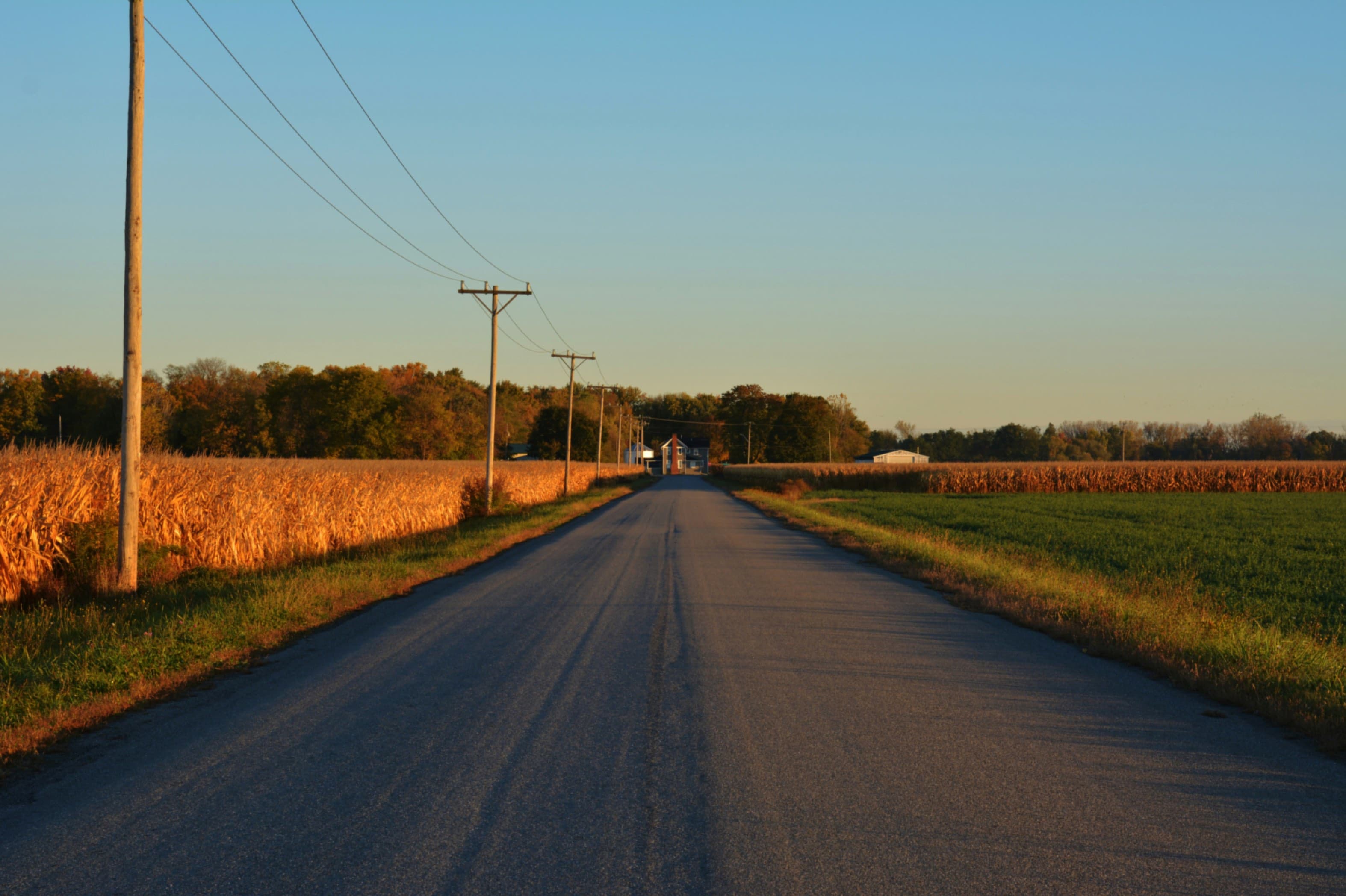
In northern Oklahoma, Pond Creek is embracing a bold question with national relevance: can a small rural town deliberately design its own comeback in an era of urban dominance and online everything? By treating streets, storefronts, and local talent as strategic assets- not accidents of geography- the community is building a living laboratory for what modern rural success can look like. Rather than chasing a single “big employer,” Pond Creek is layering infrastructure upgrades, homegrown entrepreneurship, and destination branding into a coherent vision for a downtown that people choose to visit, invest in, and call home. This emerging story offers a compelling blueprint for any community asking how to stay vibrant, competitive, and distinctly itself in a rapidly changing economy.
To support the economic incentive zones, Pond Creek is aligning infrastructure investments with its broader revitalization goals. Upgrading pedestrian amenities, improving lighting, and modernizing utility networks in the downtown core are essential components of creating a conducive environment for new business development. Walkable, well-lit streets not only enhance safety but also improve the perception of the area as a viable destination for commerce and social interaction. According to the U.S. Department of Transportation, such enhancements can significantly boost foot traffic and retail spending in small-town main streets when paired with business incentives and marketing efforts¹. Pond Creek is also examining the feasibility of shared parking arrangements and signage improvements to make the downtown area more navigable for visitors. These infrastructure upgrades are being pursued with an eye toward maximizing the return on investment by concentrating improvements in areas with the highest potential for business growth. The Oklahoma Department of Commerce recommends this form of place-based investment as a best practice for rural economic development, especially when attracting small retailers and service providers that serve regional populations².
Engaging Local Stakeholders in Economic Planning
A key component of the strategy is stakeholder engagement. Business owners, property holders, and residents are being consulted through regular town hall meetings and structured surveys to ensure that the revitalization aligns with local needs. This collaborative planning process not only builds trust but also helps identify partners for future public-private initiatives. According to the International Economic Development Council, stakeholder engagement is a critical success factor in long-term revitalization, particularly in rural areas where social capital can be leveraged to compensate for limited financial resources³. The town is also working with local agricultural producers and co-ops to explore opportunities for value-added businesses that can be located downtown. Ideas under consideration include a year-round farmers market, an agri-tourism welcome center, and small-scale food processing facilities. These developments would not only diversify the downtown economy but also strengthen the link between Pond Creek’s economic strategy and the agricultural base of Grant County. Leveraging local assets in this way is a proven method of rural economic development, as outlined in USDA rural development frameworks⁴.
Workforce Development and Entrepreneurial Support
Recognizing that business attraction alone will not sustain long-term growth, Pond Creek is investing in workforce development initiatives tailored to its regional labor pool. Partnerships with nearby community colleges and vocational training centers are being explored to offer upskilling programs in trades, digital literacy, and customer service. These efforts aim to ensure that the local workforce is equipped to fill new jobs created as part of downtown revitalization. The National Association of Counties identifies workforce readiness as a foundational element of rural economic competitiveness⁵. Simultaneously, the town is coordinating with the Oklahoma Small Business Development Center to provide technical assistance to entrepreneurs. Services include business plan development, financial literacy training, and market analysis support. This ecosystem of support is vital for encouraging local entrepreneurship, especially among young adults and returning residents who may wish to start service-oriented businesses. Studies have shown that targeted entrepreneurial support in rural towns can significantly increase business survival rates and contribute to community resilience⁶.
Marketing and Branding as a Regional Destination
To reinforce its identity as a “stop and stay” destination, Pond Creek is developing a cohesive marketing strategy that highlights its agricultural heritage, small-town charm, and emerging local businesses. A new branding campaign is being planned in partnership with regional tourism boards and chambers of commerce. The campaign will include updated signage, digital marketing, and participation in regional tourism events. According to a report by the National Main Street Center, successful revitalization efforts in small towns often hinge on effective place branding that distinguishes the town from its competitors⁷. Efforts are also underway to organize seasonal festivals and community events that can draw visitors from neighboring towns and counties. These events serve a dual purpose: they drive immediate economic activity and provide opportunities for local businesses to showcase their products and services. By creating a calendar of events linked to the town’s unique identity, Pond Creek can build momentum and reinforce the perception of downtown as a vibrant and evolving space. Practical examples from similar towns in Kansas and Texas show that well-promoted local events can increase annual retail sales by as much as 20 percent during peak seasons⁸.
Monitoring Progress and Adjusting Strategy
To ensure accountability and adaptability, the town is implementing a performance tracking system tied to specific economic development indicators. Metrics such as new business licenses issued, storefront vacancy rates, foot traffic counts, and sales tax receipts will be regularly monitored. These indicators will help local leaders assess the effectiveness of incentive programs and infrastructure investments. The Government Finance Officers Association recommends this data-driven approach to economic development as it enables real-time adjustment of policies and programs based on tangible outcomes⁹. Additionally, regular evaluation reports will be shared with the community and stakeholders to maintain transparency and solicit feedback. Adjustments to the incentive structure, zoning regulations, or infrastructure priorities will be made as needed to respond to changing conditions or unforeseen challenges. This iterative approach to strategy development ensures that the revitalization effort remains responsive, efficient, and aligned with long-term community goals. Such flexibility is particularly important in smaller towns where economic conditions can shift rapidly due to external factors such as commodity prices or regional migration patterns¹⁰.
Bibliography
U.S. Department of Transportation. “Benefits of Streetscape Improvements in Small Towns.” Federal Highway Administration, 2020.
Oklahoma Department of Commerce. “Rural Economic Development Strategies.” Oklahoma Department of Commerce, 2021.
International Economic Development Council. “Economic Development Reference Guide.” IEDC, 2018.
United States Department of Agriculture. “Rural Development Program Guide.” USDA, 2022.
National Association of Counties. “Rural Workforce Development: Strategies for Success.” NACo, 2019.
Small Business Administration. “Rural Entrepreneurship and Economic Growth.” SBA Office of Advocacy, 2021.
National Main Street Center. “Main Street Approach: Revitalizing Rural Communities.” NMSC, 2020.
Southern Rural Development Center. “Community Festivals and Economic Impact in Rural Towns.” SRDC, 2019.
Government Finance Officers Association. “Performance Management in Local Government.” GFOA, 2020.
Center for Rural Affairs. “Adaptive Strategies for Rural Economic Development.” CFRA, 2023.
More from 2 Topics
Explore related articles on similar topics