Walk, Ride, or Glide? Inside the American Commute Mashup
It’s 8:17 a.m. in Los Angeles, and a line of Teslas snakes down the 405, each driver isolated in a two-ton metal shell. A thousand miles away, in Chicago, a CTA Blue Line train barrels past Logan Square, half-full but running on time, miraculously. In Atlanta, someone is scanning a Bird scooter QR code, half-jogging to keep up with their Monday. In New York? Someone’s walking five blocks because they just don’t trust the F train today.
Welcome to the fragmented, frustrating, and quietly transforming world of the American commute.
If you live in or near a major U.S. city, you’ve probably noticed something: the way we get around is changing. Slowly. Messily. Not always in sync with what city planners intended, or what riders actually want. But something is shifting.
After decades of car dominance and stop-start investments in public transit, the American commute is splintering into dozens of micro-strategies: the train + bike combo, the e-scooter dash, the flexible work week that lets you skip rush hour altogether. Our cities are no longer built around one kind of commute. They are labs of experimentation, where the future of mobility is being beta-tested every morning between 7 and 9 a.m.
Public Transit: Bouncing Back, But Unevenly
Public transit ridership plummeted during the pandemic. And while many systems, especially in places like New York, D.C., and Boston, are rebounding, they’re not quite where they were in 2019. Safety concerns linger. Service disruptions and funding gaps haven’t helped.
But the real story is this: more people are riding again because they have to and because they want to. In cities like Seattle and Minneapolis, investments in rapid transit lines and bus-only corridors are actually speeding up commutes. Cities that treat transit like a backbone, not an afterthought, are seeing results. But the gap between cities investing in public systems and those still doubling down on highway expansion is widening.
Car Commute Is Changing
Yes, we still drive. A lot. But the car commute is no longer the cultural default it once was. In places like Phoenix and Houston, where sprawling development patterns make transit challenging, the car remains king. But even there, cracks are forming.
People are tired of traffic, of parking, and of spending a quarter of their income on gas and maintenance. And with more remote or hybrid work options, the daily drive is becoming more intentional.
In Denver, “park-and-ride” lots are getting repurposed. In Austin, congestion pricing is on the table. In L.A., the phrase “transit-oriented development” is actually showing up in real estate listings. The cultural center of gravity is shifting, even if slowly.
The Micromobility Moment
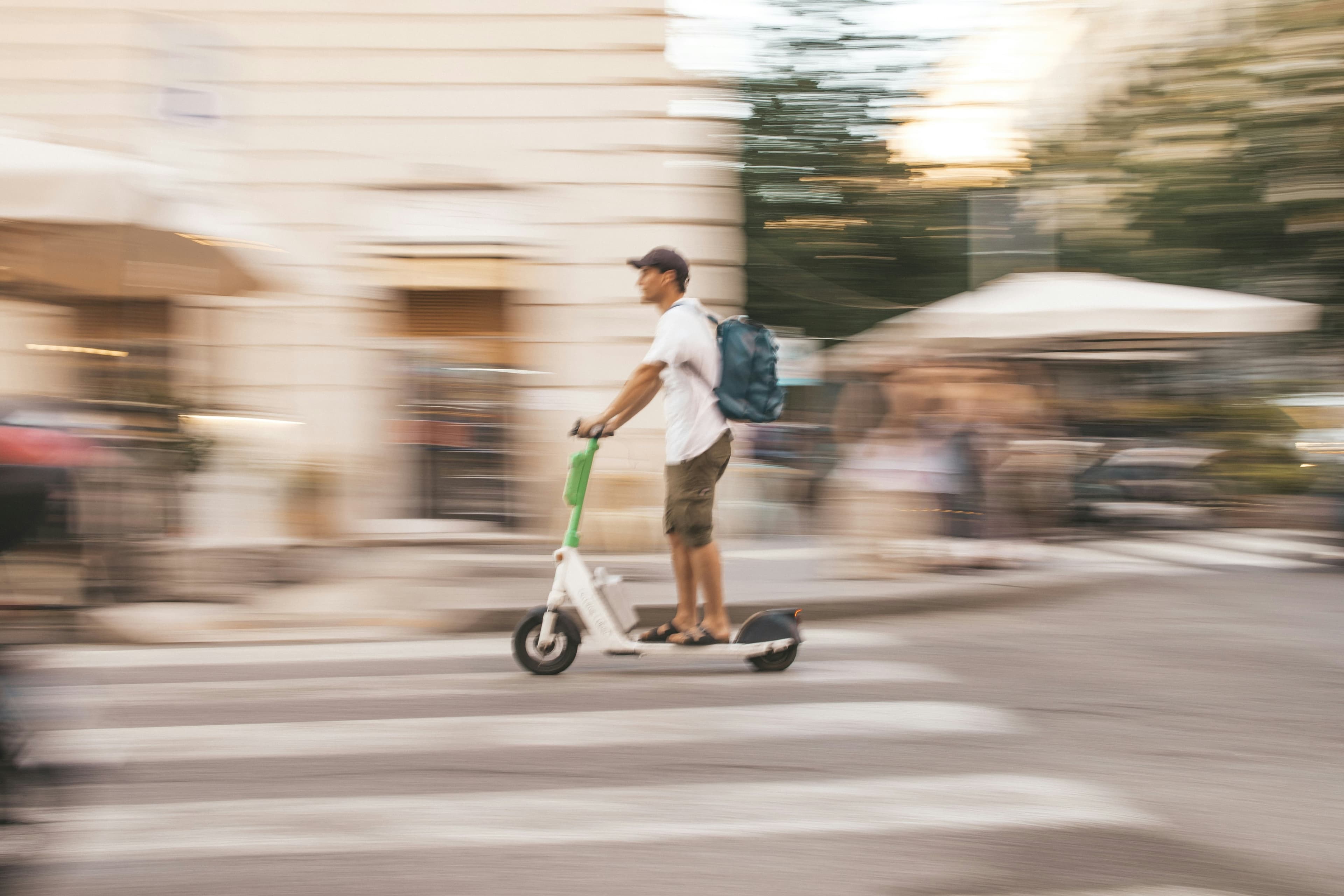
A few years ago, e-scooters were everywhere, like digital pigeons, cluttering sidewalks and promising a “last-mile” revolution. Then came backlash: complaints about safety, clutter, and access.
Still, micromobility hasn’t vanished. It’s matured. In D.C. and San Francisco, shared bikes and scooters have become reliable complements to other transit modes, especially for short trips. The novelty is gone, but the utility remains. And for low-income riders, especially those who can’t afford a car but don’t live on a bus line, these options have quietly filled a gap.
Walkability and the Rise of the 15-Minute City
Urbanists love to talk about the “15-minute city,” the idea that everything you need (work, groceries, school, coffee) should be within a 15-minute walk or bike ride. In America, that’s still more dream than reality. But there are flickers of progress.
Cities like Portland, Philadelphia, and parts of New York are investing in pedestrian-first design. Curb space once reserved for parking is being turned into parklets and bike lanes. Streets are being reimagined not just as corridors, but as public space.
Walkable neighborhoods aren’t just a lifestyle perk; they’re increasingly seen as a public health, climate, and equity issue. The question is: will cities double down on that vision or let it be gentrified into irrelevance?
So… What Is the Future of the Commute?
Here’s the truth: there isn’t one single “future” of commuting in American cities. There are many.
In some places, the future looks like better buses, more bike lanes, and fewer cars. In others, it looks like driverless shuttles and parking garages that double as drone ports (yes, that’s a thing.) And for millions of Americans, the future might look a lot like the past: sitting in traffic, waiting for a better option that hasn’t arrived yet.
The common thread is that the American commuter is no longer a passive participant. People are hacking together their own solutions. They are combining modes, shifting schedules, advocating for change. They’re treating the commute less like a chore and more like a choice. And that might be the most transformative shift of all.