Beyond Pipes and Pavement: The New Rules of Rural Infrastructure
A grain truck hits a weight-restricted bridge at dawn, idles, then turns around—adding 40 miles, burning time, money, and patience. Multiply that by a harvest season, and you start to see how “infrastructure” isn’t abstract—it’s the difference between profit and loss, response and delay, staying or leaving. Helena, Oklahoma, is leaning into that reality and widening its definition of core infrastructure to include the roads, systems, and people that keep a rural economy moving.
From Farm Roads to Lifelines
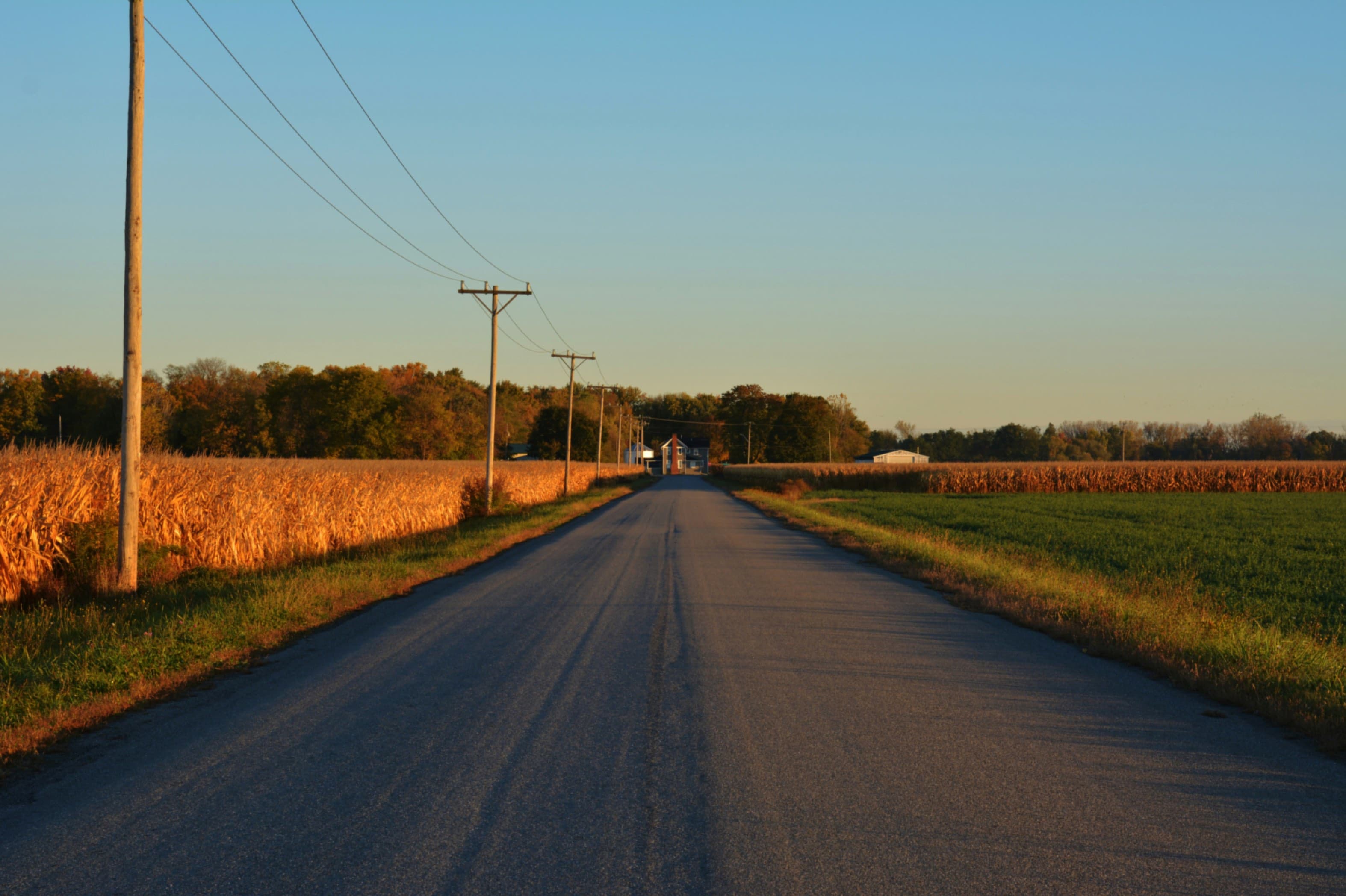
Helena is treating transportation as essential infrastructure—not an afterthought. Decades of deferred maintenance left rural roads brittle and bridges limited, constraining farm-to-market routes. By partnering with the Oklahoma Department of Transportation and tapping the County Improvements for Roads and Bridges (CIRB) program alongside federal IIJA funds, Helena is prioritizing resurfacing and bridge repairs where they matter most: the routes farmers actually use.
There’s a practical logic here. When a bridge can’t carry the load, producers reroute, costs climb, and smaller operations feel it first. Reliable roads don’t just move goods—they stabilize margins and shorten emergency response times. Helena is also eyeing “complete streets” in its central corridor—simple upgrades like safer crossings or bike access that make downtown more livable and quietly boost local tourism.
Cooperation Over Silos
Helena’s broadband story shows how small towns can punch above their weight. By using a cooperative model—often anchored by rural electric associations—nearby communities share costs, technical expertise, and timelines. The Oklahoma Broadband Office points to these regional coalitions as key to closing connectivity gaps that affect everything from precision agriculture to telehealth.
That same cooperative instinct is now shaping water planning. Helena and its neighbors are exploring a shared rural water district to manage treatment and distribution together. For small systems, regionalization can mean access to certified operators, consistent maintenance, and stronger applications for Drinking Water State Revolving Fund support. It’s less about losing control and more about gaining capacity.
Designing for a Tougher Climate
In the Southern Great Plains, “average weather” is becoming a less useful concept. Helena is planning for droughts and sudden downpours by running a FEMA BRIC-funded vulnerability assessment. The goal is straightforward: identify what’s most at risk and fix it before it fails.
That translates into tangible upgrades—larger culverts where flooding recurs, green infrastructure to absorb runoff, and wider floodplain buffers. On the wastewater side, Helena is building in extra treatment capacity and energy-efficient systems to handle spikes during storms. Fewer overflows, fewer compliance headaches, and a system that works when conditions don’t.
Build the Workforce, Not Just the Assets
Pipes and pavement don’t maintain themselves. Helena is pairing capital projects with workforce pipelines—partnering with regional career and technical education centers to train operators, technicians, and tradespeople locally.
Instead of abstract coursework, students plug into real projects—laying fiber, upgrading pump stations, troubleshooting systems. The payoff is twofold: projects move faster and cheaper, and young residents see a future in their own community. For rural systems, that’s the difference between resilience and chronic staffing gaps.
Smarter Decisions Through Data
Helena is also getting disciplined about what it owns and how it invests. An asset management program catalogs roads, lines, and facilities, assigns condition ratings, and maps everything in a GIS. That turns guesswork into strategy.
With clearer data, the town can:
Triage urgent fixes versus planned upgrades.
Make stronger, evidence-based cases for grants.
Improve transparency with residents and partners.
They’re even exploring regional data-sharing to benchmark performance and coordinate mutual aid—so when something fails, neighbors can respond faster with the right resources.
What This Looks Like in Practice
If you’re leading a small town—or just starting your career in public service—Helena’s approach boils down to a few moves you can replicate:
Start where impact is immediate: fix the routes that move your local economy.
Pool power: use cooperatives or regional districts to stretch dollars and talent.
Plan for extremes, not averages: design systems that hold up under stress.
Grow your own talent: tie training directly to live projects.
Let data lead: inventory assets, rate conditions, and fund what matters most.
Infrastructure isn’t just what you build; it’s how you decide, who you partner with, and whether your community can adapt when conditions change.
The ball is in your hands: pick one corridor, one system, or one workforce gap this quarter—and move it from “known problem” to “funded, partnered, and underway.” Momentum compounds.
References
Smart Growth America. “Complete Streets in Rural Communities.” Accessed March 16, 2024. https://smartgrowthamerica.org.
Oklahoma Broadband Office. “Broadband Access in Rural Oklahoma.” October 2023. https://broadband.ok.gov.
U.S. Environmental Protection Agency. “Sustainable Systems: Regionalization of Water Systems.” Accessed March 15, 2024. https://www.epa.gov/dwcapacity/regionalization.
Federal Emergency Management Agency. “Building Resilient Infrastructure and Communities (BRIC) Program.” Accessed March 17, 2024. https://www.fema.gov/grants/mitigation/building-resilient-infrastructure-communities.
Oklahoma Department of Environmental Quality. “Wastewater System Upgrades and Compliance Initiatives.” Accessed March 17, 2024. https://www.deq.ok.gov.
Oklahoma Association of Community Action Agencies. “Workforce Development in Rural Infrastructure.” November 2023. https://okacaa.org.
National Rural Water Association. “Training and Workforce Development for Rural Utilities.” Accessed March 16, 2024. https://www.nrwa.org.
Government Finance Officers Association. “Best Practices in Capital Planning and Asset Management.” Accessed March 15, 2024. https://www.gfoa.org.
National Association of Regional Councils. “Data Sharing and Collaboration in Rural Infrastructure Planning.” Accessed March 18, 2024. https://www.narc.org.
More from Infrastructure
Explore related articles on similar topics