The Other Front Line: How Schools, Cities, and FRGs Protect Military Family Well‑Being
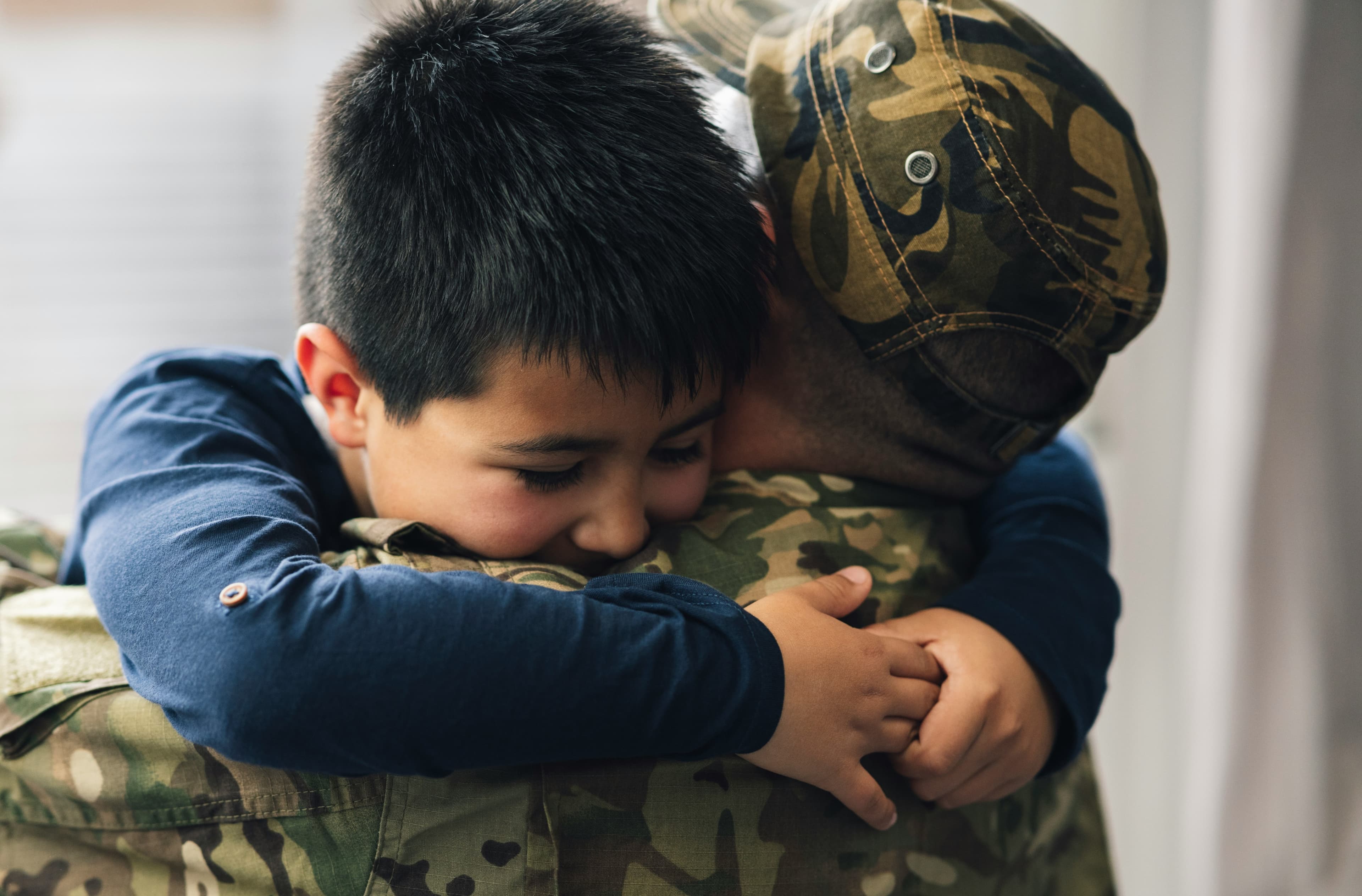
Military families do far more than simply “get through” deployment- they build entire support systems that quietly keep the homefront strong. Through potlucks hosted by Family Readiness Groups, late‑night video calls from halfway around the world, school projects that honor service, and city agencies that adjust hours and programs to meet their needs, deployment becomes less about isolation and more about connection, growth, and shared resilience. This article reveals the real stories, practical strategies, and unexpected community partnerships that turn a stressful season into a powerful framework for long‑term family strength and well‑being.
One of the most effective ways military families build resilience during deployment is by engaging with their local community and tapping into available networks. Family Readiness Groups (FRGs), often organized at the unit level, serve as a primary vehicle for connection and support. These groups provide information updates, host events, and connect families with one another, reducing isolation and fostering a shared sense of purpose. In addition to FRGs, installation-based resources like the Army Community Service (ACS) or Navy Fleet and Family Support Centers offer structured programming that addresses everything from financial literacy to emotional well-being1.
Outside of military installations, local governments play a critical role in supporting these families. Libraries, recreation centers, and schools can coordinate with military family liaisons to tailor programs that accommodate the unique needs of children and spouses during deployment. For example, some school districts have implemented Military Student Transition Consultants to ease the educational and emotional transitions for children of service members2. Municipal practitioners can strengthen these efforts by establishing memoranda of understanding (MOUs) with nearby military installations to formalize collaboration and streamline service delivery.
Maintaining Connection Across Distance
Communication is a cornerstone of resilience during deployment. Maintaining regular contact helps service members and their families stay emotionally connected despite physical separation. With technological advances, tools like secure video chats, email, and messaging platforms have become more accessible. However, service members may face operational limitations that restrict communication, especially in combat zones or during field exercises. Setting realistic expectations about communication frequency and methods can help families manage stress and avoid misunderstandings3.
Families can also establish rituals that create a sense of normalcy and connection. For instance, some parents record themselves reading bedtime stories that children can replay nightly, while others maintain journals or photo albums to share experiences during reintegration. These activities not only preserve emotional bonds but also provide continuity and reassurance for children. Municipal practitioners can assist by promoting digital literacy programs and offering public access to technology in community spaces, particularly for families without home internet access.
Creating Stability Through Routine and Preparedness
Stability during deployment often hinges on establishing predictable routines and preparing for potential disruptions. Families benefit from organizing daily schedules that include consistent meal times, bedtime routines, and designated quiet hours. This structure can provide children with a sense of security and reduce anxiety. For spouses managing households alone, planning ahead for contingencies such as car repairs, medical emergencies, or school closures is essential. Many installations offer Deployment Readiness Checklists that guide families in organizing important documents, updating power of attorney forms, and setting up emergency contacts4.
Municipal agencies can support these efforts by providing accessible services that align with military schedules. For instance, flexible child care options, extended service hours at recreation centers, and emergency preparedness workshops tailored to single-parent households can greatly ease the burden. Coordination between municipal emergency management offices and military family support coordinators ensures that families are included in local disaster response plans and communication systems.
Real Stories of Resilience in Action
Consider the experience of the Martinez family, whose spouse deployed with the Army Reserve for nine months. The family connected with their local FRG and participated in monthly potlucks and resource briefings. Mrs. Martinez also collaborated with their local elementary school to create a classroom project about military families, which helped her children feel seen and supported. By the time her husband returned, the family had developed new routines, friendships, and a deeper sense of community. Their success was rooted in proactive engagement and leveraging both military and local resources.
Another example is the Johnson family, who navigated an overseas deployment with three young children. They relied heavily on digital tools to maintain contact, scheduling weekly video calls and sharing photos through a family app. The local library became a second home, offering story time, tutoring, and a quiet space for reflection. With the help of a school liaison officer and a community mental health provider, the Johnsons managed emotional ups and downs and emerged stronger as a family unit. Their story highlights the importance of accessible local services and intentional communication.
Actionable Strategies for Families and Practitioners
Families preparing for deployment should begin by attending pre-deployment briefings offered by their service member's unit. These sessions provide essential information about entitlements, communication protocols, and available support services. Creating a deployment binder with copies of legal documents, emergency contacts, and household checklists is a practical step that can prevent logistical issues later. Families should also identify at least one trusted individual who can assist with unexpected challenges during deployment5.
For local government practitioners, establishing partnerships with military installations and actively participating in military family events can build trust and improve service delivery. Hosting community forums, developing resource directories, and training frontline staff on the unique needs of military families are all effective strategies. Additionally, integrating military family considerations into long-term planning documents, such as comprehensive plans or emergency response protocols, ensures these families are not overlooked in policy or program development.
Conclusion: Strengthening the Homefront
Resilience during deployment is not built in isolation. It emerges through preparation, shared responsibility, and community support. Military families thrive when they are empowered with information, connected to others facing similar challenges, and supported by responsive institutions. Real-world examples demonstrate that intentional engagement with both military and local resources can transform deployment from a period of hardship into one of growth and strength.
Municipal practitioners, educators, and service providers have a vital role to play in this process. By aligning local programs with military needs and fostering inclusive communities, they contribute directly to national readiness and family well-being. The strategies outlined here offer a practical foundation for supporting military families before, during, and after deployment.
Bibliography
U.S. Department of Defense. “Family Readiness System.” Military OneSource. Accessed April 15, 2024. https://www.militaryonesource.mil/family-relationships/family-life/family-readiness-system/.
Military Child Education Coalition. “Military Student Transition Consultant Program.” Accessed April 15, 2024. https://www.militarychild.org/programs/military-student-transition-consultant-program.
U.S. Army Public Health Center. “Communication During Deployment: Tips for Military Families.” Last modified July 2023. https://phc.amedd.army.mil/topics/healthyliving/bh/Pages/CommunicationDuringDeployment.aspx.
U.S. Army Installation Management Command. “Deployment Readiness Resources.” Accessed April 15, 2024. https://home.army.mil/imcom/index.php/family/deployment-readiness.
Office of the Under Secretary of Defense for Personnel and Readiness. “Pre-Deployment Planning Guide.” Last modified October 2022. https://www.defense.gov/Resources/Military-Deployment-Guide/.