The Human Factor: Why Technology Alone Can’t Solve Crimes
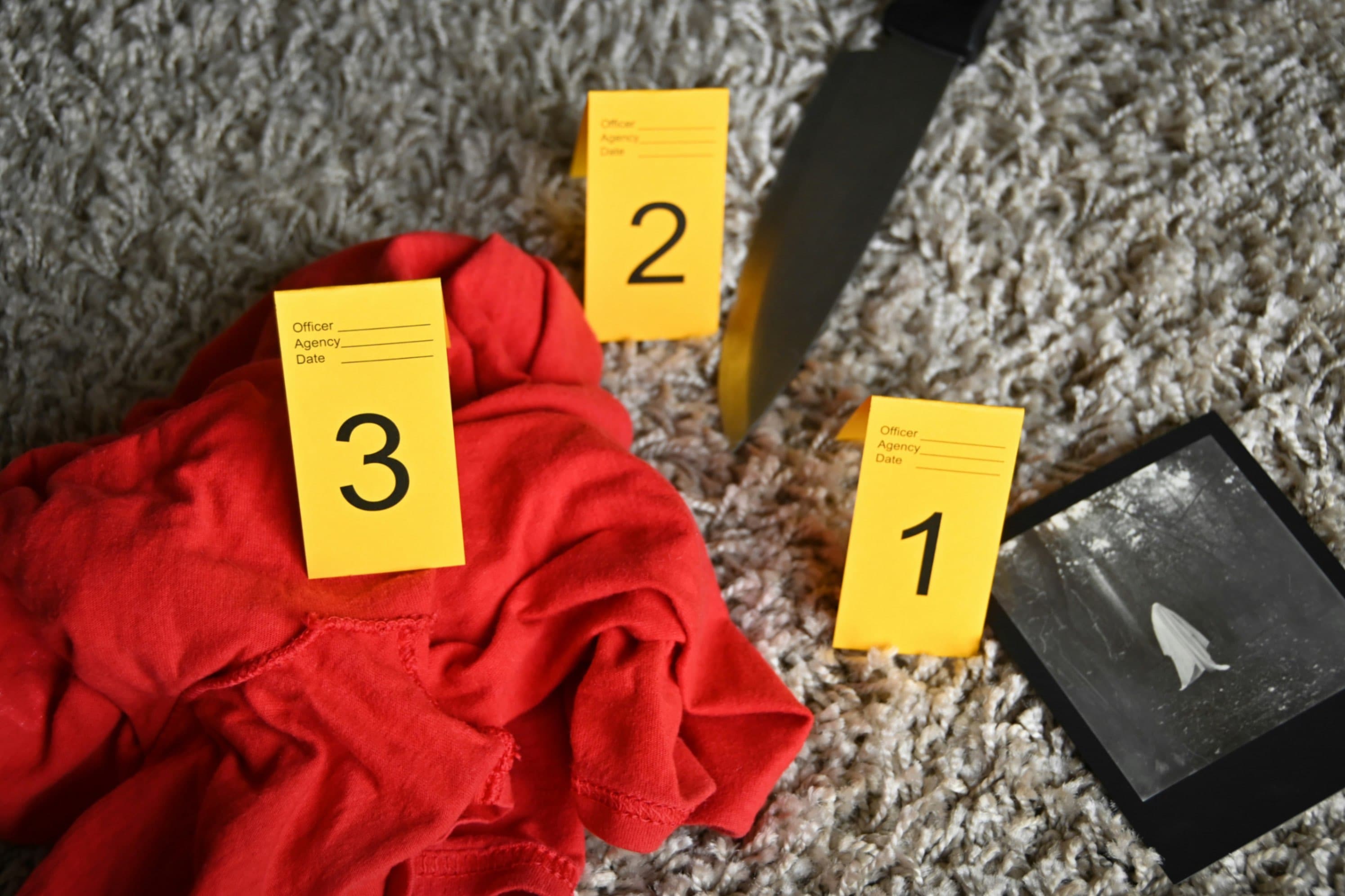
Every breakthrough in forensic technology promises sharper answers- but also raises deeper questions. DNA sequencing, artificial intelligence, and advanced data systems can reveal patterns once invisible to investigators, yet they cannot interpret meaning, intent, or ethical consequence. That burden still rests with human experts. As forensic science becomes more powerful, the stakes grow higher: decisions made in labs now echo in courtrooms and communities alike. The future of justice will hinge on how well we balance technological precision with human judgment- and whether we can ensure that innovation strengthens truth rather than distorts it.
Integrating Technology and Human Expertise
The integration of technology with human expertise is crucial in modern forensic science. While technological advancements have significantly enhanced the capabilities of forensic analysis, human intuition and oversight remain indispensable. Forensic analysts play a critical role in interpreting complex genetic data and ensuring that the findings are applied appropriately within the legal system. The insights provided by human experts can contextualize DNA evidence within broader investigative frameworks.
A collaborative approach ensures that technology serves as a powerful tool rather than the sole determinant in criminal investigations. Analysts must work closely with law enforcement personnel to interpret data accurately and ethically. This partnership helps to maintain a balance between leveraging technological advancements and adhering to ethical standards in forensic investigations. The human element remains integral in maintaining the integrity and reliability of forensic evidence presented in court.
Policy and Ethical Considerations in Forensic Technology
The rapid development of forensic technology necessitates robust policies and ethical guidelines to govern its use. Legal frameworks must evolve to address the complexities of genetic data usage, ensuring that privacy rights are respected and data is handled responsibly. Policymakers must engage with forensic experts to develop regulations that keep pace with technological advancements and protect individual rights. Ethical considerations are paramount when dealing with sensitive genetic information. The potential for misuse of data underscores the importance of establishing clear guidelines for data access and usage. Ensuring transparency and accountability in forensic practices helps maintain public trust in the criminal justice system. Ethical oversight bodies can provide guidance and oversight, ensuring that forensic technologies are deployed in a manner consistent with societal values and legal standards.
Public Engagement and Education
Public engagement and education play a vital role in the successful implementation of forensic technology. Raising awareness about the capabilities and limitations of DNA analysis helps manage public expectations and fosters trust in forensic science. Educational initiatives can demystify the science behind DNA analysis, making it more accessible to the general public and stakeholders in the legal system. Engaging with communities and stakeholders provides opportunities for dialogue about the ethical implications of forensic technology. Public forums and educational programs can facilitate discussions on privacy, consent, and the balance between security and civil liberties. By involving the public in these conversations, forensic scientists and policymakers can gain valuable insights and build a more informed and supportive society.
Challenges and Opportunities in Data Management
Data management poses significant challenges and opportunities for forensic science in the digital age. The sheer volume of genetic data generated by modern forensic techniques demands robust data management systems. Efficient storage, retrieval, and analysis of data are essential to ensure that forensic investigations remain accurate and timely. Advanced data management solutions can streamline the handling of complex datasets, allowing forensic analysts to focus on critical aspects of their work.
Opportunities exist to enhance collaboration and data sharing among forensic laboratories and law enforcement agencies. Interoperable data systems can facilitate the sharing of information across jurisdictions, improving the efficiency and effectiveness of criminal investigations. However, data sharing must be balanced with privacy considerations, ensuring that sensitive information is protected from unauthorized access and misuse. Developing secure and standardized protocols for data management can enhance the capabilities of forensic science while respecting individual rights.
Future Directions in Forensic Science
The future of forensic science holds exciting possibilities as technology continues to advance. Emerging techniques such as microfluidics and nanotechnology have the potential to revolutionize DNA analysis, offering even greater precision and speed. These innovations could enable forensic scientists to analyze smaller and more degraded samples, expanding the scope of forensic investigations. The integration of artificial intelligence and machine learning into forensic science is another area of significant potential. These technologies can assist in pattern recognition and data analysis, providing valuable insights that may not be apparent through traditional methods. As forensic science evolves, ongoing research and development will be essential to harness the full potential of these technologies while addressing ethical and legal concerns.
Advocating for Comprehensive Forensic Policies
Municipal governments and public safety agencies have a critical role in advocating for comprehensive forensic policies. By supporting initiatives that promote ethical standards and transparency, policymakers can ensure that forensic science continues to advance in a responsible manner. Collaboration with forensic experts, legal professionals, and community stakeholders is essential to developing policies that align with public values and legal requirements. Investing in training and education for forensic professionals is crucial to maintaining high standards of practice. Continued professional development ensures that forensic scientists remain informed about the latest advancements and best practices in the field. By prioritizing education and ethical oversight, public safety agencies can foster a forensic science environment that upholds justice and protects individual rights.
Embracing Innovation While Upholding Justice
Embracing innovation in forensic science offers unparalleled opportunities to enhance public safety and deliver justice. As technology continues to evolve, it is crucial to maintain a delicate balance between innovation and ethical practice. By leveraging the strengths of both technology and human expertise, forensic science can continue to solve complex cases and provide answers to victims and their families.
Ongoing collaboration between scientists, policymakers, and the public will be essential to navigate the challenges and opportunities presented by technological advancements. By fostering a culture of transparency, accountability, and ethical responsibility, the forensic community can ensure that the benefits of innovation are realized while safeguarding individual rights. This collaborative approach will pave the way for a future where forensic science serves as a powerful tool for justice and truth.
Bibliography
1. National Institute of Justice. "DNA Evidence: Basics of Analyzing." Accessed October 1, 2023. https://nij.ojp.gov/topics/articles/dna-evidence-basics-analyzing.
2. President’s Council of Advisors on Science and Technology. 2016. "Forensic Science in Criminal Courts: Ensuring Scientific Validity of Feature-Comparison Methods." Washington, D.C.: Executive Office of the President.
3. Seidenstat, Paul, David W. Brennan, and Charles S. Robinson. 2016. "Forensic Science and the Administration of Justice: Critical Issues and Directions." Sage Publications.
4. Butler, John M. 2015. "Advanced Topics in Forensic DNA Typing: Interpretation." Elsevier Academic Press. 5. National Research Council. 2009. "Strengthening Forensic Science in the United States: A Path Forward." Washington, D.C.: The National Academies Press.