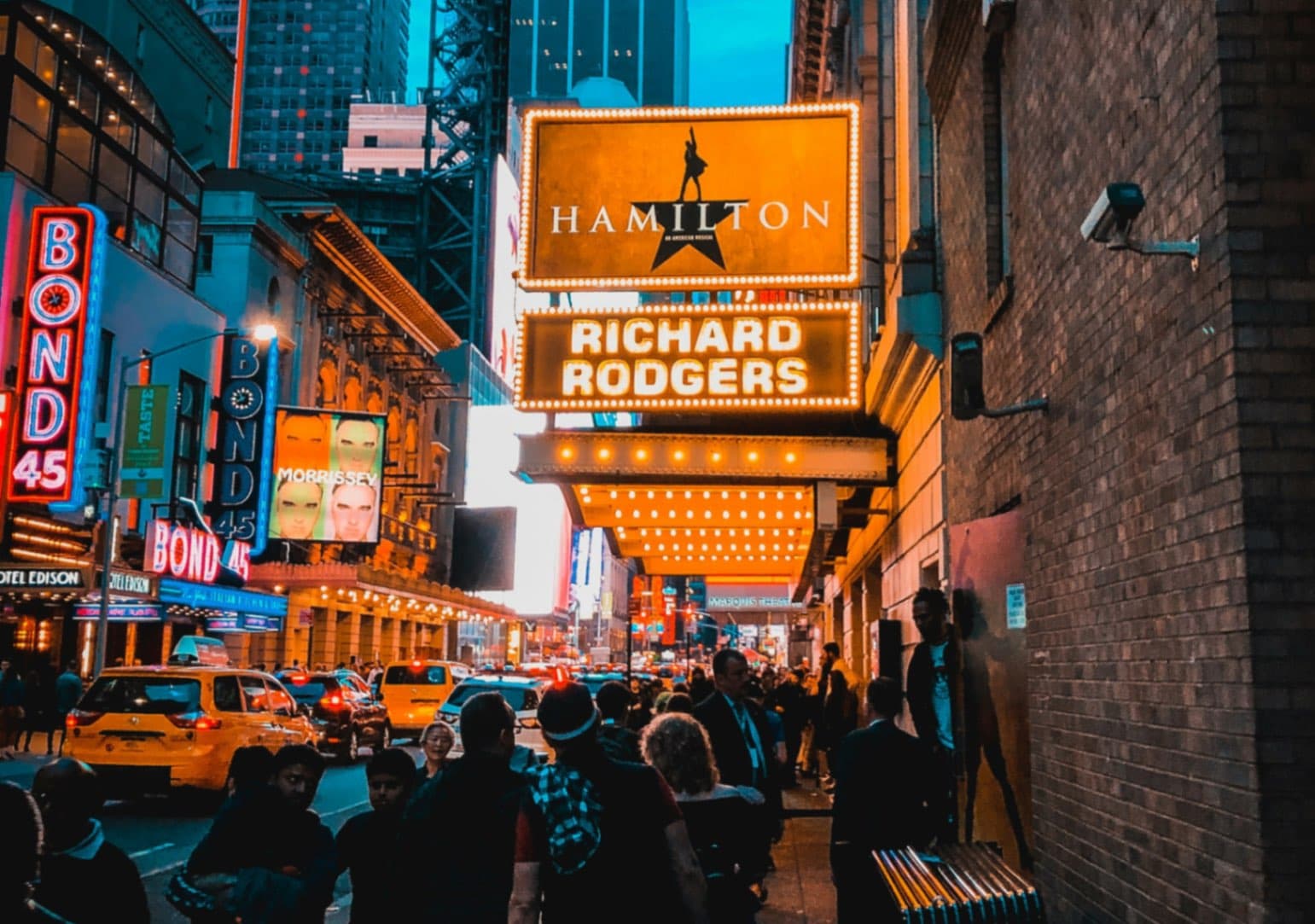
Stages of Change: How Theatre Fuels Civic Dialogue

When the curtain rises, what if the goal isn’t applause but understanding? Theatre, at its best, doesn’t just entertain- it invites communities to confront shared challenges with empathy and honesty. Across cities and classrooms, public offices and performance halls, the stage has become a meeting ground for dialogue that data alone can’t inspire. Through stories that humanize policy issues- from racial injustice to mental health- artists and civic leaders are discovering how live performance can spark reflection, foster inclusion, and even reshape how we govern ourselves.
Theatre has long been a powerful tool for fostering civic dialogue and encouraging communities to engage with complex and often uncomfortable issues. Unlike policy papers or public forums that rely heavily on data presentation, theatrical productions present social challenges through character-driven narratives that invite empathy and reflection. By placing audiences in intimate proximity to the emotional experiences of characters, theatre allows viewers to confront contentious topics in a non-confrontational way. This approach helps reduce defensiveness and opens up space for introspection and discussion, particularly on issues related to race, gender, mental health, and socioeconomic inequality.
A notable example is Anna Deavere Smith’s “Fires in the Mirror,” which dramatized the 1991 Crown Heights riots in Brooklyn. Through verbatim theatre, Smith used real-life interviews to portray multiple perspectives, humanizing all sides of the conflict and prompting audiences to grapple with the nuances of racial tension and identity in urban America. The production was widely used in educational and community settings to initiate conversations about race relations and social justice, demonstrating how theatrical storytelling can serve as a springboard for community-based dialogue and policy consideration1.
Representation and Personal Connection in the Arts
One of the most transformative aspects of theatre and film is their ability to provide audiences with characters who reflect their own experiences or offer a window into unfamiliar lives. When individuals see aspects of themselves on stage, whether through cultural identity, lived experience, or emotional struggle, they often feel validated and understood. This sense of visibility can be especially meaningful for marginalized or underrepresented groups who may not see their stories reflected in mainstream discourse.
For instance, the Broadway musical “Next to Normal,” which explores a family’s struggle with bipolar disorder and grief, brought mental health conversations to the forefront. The production was not only lauded for its artistic merit but also recognized by mental health professionals for its role in destigmatizing psychological illness2. Audience members frequently reported feeling seen and supported, and many shared that the show gave them language to discuss their own experiences. This highlights the practical impact of character-driven narratives in shaping public understanding and encouraging people to seek help or support others in similar situations.
Using Storytelling to Shape Public Policy Conversations
Municipal leaders and public administrators can leverage the arts as a strategic tool for community engagement and policy exploration. Productions that focus on local issues, such as housing, education, or environmental justice, can act as a catalyst for resident participation in civic processes. Community-based theatre initiatives often involve local residents as performers, writers, or consultants, which not only enhances authenticity but also fosters a sense of ownership and agency in public discourse.
The “Home and Away” project in San Diego, for example, used participatory theatre to explore the experiences of refugee and immigrant communities. Developed in collaboration with the La Jolla Playhouse, the project incorporated real stories gathered from the community and presented them in immersive performances that toured libraries and public spaces. These performances were followed by facilitated discussions with local officials, social service providers, and audience members, directly linking storytelling to policy feedback and service improvement3. This model demonstrates how theatre can be used not just for awareness, but also as a functional component of public service delivery and community planning.
Arts-Based Approaches in Public Sector Training
Storytelling techniques from theatre are increasingly being adopted in training programs for public sector employees. Scenario-based workshops, drawing from theatrical methodologies such as role-play and forum theatre, are used to build empathy, improve communication, and rehearse responses to complex interpersonal situations. These approaches offer experiential learning opportunities that go beyond traditional didactic instruction, making them especially effective in areas like conflict resolution, cultural competency, and trauma-informed service delivery.
The Medical University of South Carolina has integrated theatre-based training for healthcare and social service providers to improve their understanding of patient experiences and implicit bias. Participants engage in dramatized scenarios based on real case studies, followed by structured dialogue with facilitators. The results have shown increased staff confidence in handling sensitive conversations and greater awareness of systemic inequities affecting patient outcomes4. Public administration programs can adapt similar methods to prepare future professionals for engagement with diverse communities and complex policy environments.
Building Sustainable Partnerships Between Arts and Government
For arts initiatives to have a sustained impact on community awareness and policy, partnerships between arts organizations and government agencies must be strategic and mutually beneficial. This involves not only funding coordination, but also shared goal-setting and evaluation metrics. When local governments support arts programming as part of their engagement strategy, they can harness the creativity and cultural insight of artists to address civic challenges more effectively.
One example of a successful partnership is the “ArtPlace America” initiative, which supported creative placemaking projects across the United States. In several cities, collaborations between artists, planners, and local government led to public art installations, performances, and educational programs that addressed issues such as food insecurity, public safety, and environmental sustainability. Evaluations of these projects showed increased community participation in planning processes and improved trust in local institutions5. These outcomes suggest that embedding the arts in civic infrastructure is not merely an aesthetic enhancement, but a practical investment in community cohesion and problem-solving.
Conclusion: Integrating Theatre into Civic Strategy
Theatre and the arts are not peripheral to civic life, but essential tools for engagement, education, and emotional connection. They offer a medium through which complex issues can be explored with nuance and empathy, encouraging audiences to reflect rather than react. By presenting stories that resonate with lived experiences, theatre helps people feel seen while also expanding their capacity to understand others.
For practitioners in government and public administration, integrating arts-based approaches into communication, training, and policy engagement strategies can lead to more inclusive and effective outcomes. Whether through community-based performances, partnerships with arts organizations, or storytelling in public meetings, the arts can play a central role in shaping informed, compassionate, and resilient communities.
Bibliography
Smith, Anna Deavere. Fires in the Mirror: Crown Heights, Brooklyn and Other Identities. New York: Anchor Books, 1993.
Kamenetz, Anya. “How a Broadway Musical About Mental Illness Helps to Fight Stigma.” NPR, March 2, 2016. https://www.npr.org/sections/health-shots/2016/03/02/468885338/how-a-broadway-musical-about-mental-illness-helps-to-fight-stigma.
La Jolla Playhouse. “Without Walls (WOW) Festival.” Accessed May 10, 2024. https://lajollaplayhouse.org/wow-festival/past-projects/home-and-away/.
Medical University of South Carolina. “Theatre-Based Training for Healthcare Providers.” Office of Diversity and Inclusion, 2022. https://web.musc.edu/about/diversity/programs/theatre-training.
ArtPlace America. “ArtPlace America: 10 Years of Creative Placemaking.” 2021. https://www.artplaceamerica.org/final-report.