Grants, Grit, and Curtain Calls: Inside the NEA’s Support System for Theatre
When a single federal grant can turn a risky new play into the next national phenomenon, theatre funding suddenly feels a lot less abstract and a lot more urgent. Through programs like Grants for Arts Projects, Challenge America, and the Musical Theater Songwriting Challenge, the National Endowment for the Arts quietly underwrites everything from rural touring productions and devised community pieces to the first workshop of a future Broadway hit, reshaping who gets to make- and experience- theatre in America. Whether you are a local arts administrator, an artistic director, or a public-sector policymaker, understanding how to tap these resources can mean the difference between dark nights and a full season, between a promising student’s notebook and a fully orchestrated score.
The National Endowment for the Arts (NEA) offers several grant programs that directly support theater artists, companies, and community organizations. Among the most impactful are the Grants for Arts Projects, which fund the creation, presentation, and preservation of artistic work across all disciplines, including theater. Applicants can request funding for a wide range of activities such as production costs, artist fees, rehearsal space, and education programs. These grants are awarded based on artistic excellence, public engagement, and organizational capacity, ensuring that funds are directed to projects with both strong artistic merit and public value1.
Another significant program is the Challenge America grant, which supports small and mid-sized organizations in expanding access to the arts in underserved communities. Many rural or economically disadvantaged areas benefit from Challenge America grants, which have helped bring professional theater productions, workshops, and artist residencies to less accessible regions. These grants help level the playing field for smaller theaters that often lack the resources to compete for larger national funding opportunities2.
Impact of NEA-Funded Theater Projects
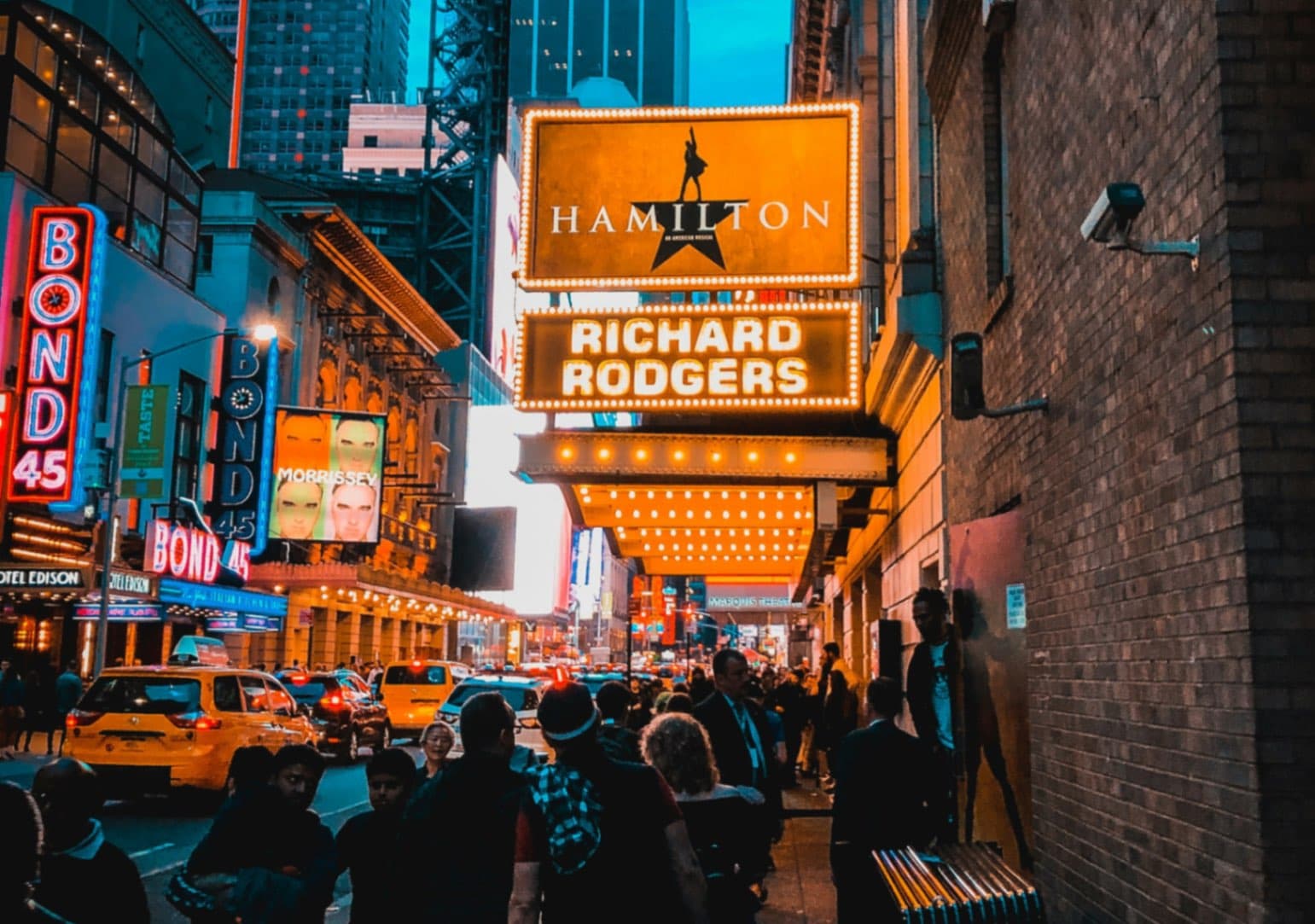
NEA support has played a critical role in the development and sustainability of numerous American theatrical works. For instance, the Oregon Shakespeare Festival, a longstanding recipient of NEA funding, has used those resources to support commissioning new plays as well as producing diverse programming that attracts national audiences3. Similarly, the Public Theater in New York City has benefited from NEA grants that helped fund productions like “Fun Home” and “Hamilton” during their developmental stages, allowing for deeper exploration before moving to commercial stages4.
These grants have also enabled regional theaters to engage in risk-taking and innovation that might not be possible without federal support. The Alliance Theatre in Atlanta, for example, received NEA funding that helped underwrite the world premiere of “The Color Purple,” which went on to achieve Broadway success. With the NEA’s support, theaters can invest in dramaturgy, community engagement, and extended development timelines, enriching the final productions and broadening their impact5.
Fostering Young Talent through the Musical Theater Songwriting Challenge
The NEA’s Musical Theater Songwriting Challenge is a national initiative that nurtures high school students with a passion for writing musicals. In partnership with the American Theatre Wing, this challenge offers a unique opportunity for young artists to develop their work through mentorship and professional production. Finalists are mentored by experienced composers and lyricists and have their songs professionally orchestrated and recorded by Broadway musicians6.
This initiative not only cultivates artistic skill but also builds confidence and provides visibility for students from diverse backgrounds. Many participants have gone on to pursue higher education and careers in the arts, citing the challenge as a formative experience. For local governments and school systems, promoting participation in the Songwriting Challenge can be a strategic way to support arts education while building community pride in student achievement. It also reinforces the importance of creative expression as a tool for youth development and civic engagement7.
Advancing Equity Through Accessibility Programs
The NEA has prioritized accessibility in its mission, ensuring that people of all abilities and backgrounds can participate in and benefit from the arts. The Office of Accessibility, one of the first of its kind in a federal agency, provides technical assistance, resources, and funding for projects that remove barriers to arts participation. These include programs designed to serve individuals with disabilities, military veterans, and older adults. For example, the NEA’s Creative Forces initiative places creative arts therapies at military medical facilities and community settings, supporting veterans dealing with trauma and reintegration8.
Accessibility efforts also extend to geographic equity. The NEA’s support reaches all 50 states, including rural and tribal areas that often face systemic disparities in arts funding and infrastructure. Through strategic partnerships with regional arts organizations, state arts agencies, and local nonprofits, the NEA helps ensure that theater and other art forms are not confined to urban cultural centers. For local leaders, leveraging NEA accessibility resources can help bridge service gaps and create inclusive cultural programming that reflects the needs of their constituents9.
Practical Considerations for Local Arts Administrators
For public sector professionals aiming to strengthen local theater ecosystems, understanding NEA funding mechanisms is essential. Building strong applications requires alignment with NEA priorities, such as community engagement, artistic excellence, and project feasibility. Collaborating with experienced grant writers or arts consultants can enhance the competitiveness of applications. Additionally, maintaining detailed documentation of past programs, audience demographics, and financial data will support the transparency and accountability required in federal grant reporting10.
It is also advisable to develop partnerships with local schools, libraries, and cultural institutions to demonstrate broader community impact. These collaborations can serve as a multiplier for federal investment, extending the reach and sustainability of theater projects. Regularly attending NEA webinars, participating in peer review panels, and staying informed through the agency’s newsletters are practical ways to stay engaged. By doing so, administrators can position their communities to benefit from NEA support while contributing to a more vibrant national arts landscape11.
Bibliography
National Endowment for the Arts. “Grants for Arts Projects Guidelines.” Accessed May 5, 2024. https://www.arts.gov/grants/grants-for-arts-projects.
National Endowment for the Arts. “Challenge America.” Accessed May 5, 2024. https://www.arts.gov/grants/challenge-america.
Oregon Shakespeare Festival. “Annual Reports and NEA-Funded Projects.” Accessed May 5, 2024. https://www.osfashland.org.
The Public Theater. “Institutional Supporters.” Accessed May 5, 2024. https://publictheater.org.
Alliance Theatre. “History of New Work.” Accessed May 5, 2024. https://alliancetheatre.org.
National Endowment for the Arts. “Musical Theater Songwriting Challenge.” Accessed May 5, 2024. https://www.arts.gov/initiatives/songwriting.
American Theatre Wing. “Songwriting Challenge Finalists.” Accessed May 5, 2024. https://americantheatrewing.org.
National Endowment for the Arts. “Office of Accessibility.” Accessed May 5, 2024. https://www.arts.gov/accessibility/accessibility-office.
National Assembly of State Arts Agencies. “Geographic Distribution of NEA Grants.” Accessed May 5, 2024. https://nasaa-arts.org.
National Endowment for the Arts. “How to Apply for a Grant.” Accessed May 5, 2024. https://www.arts.gov/grants/apply.
National Endowment for the Arts. “NEA Newsletters and Webinars.” Accessed May 5, 2024. https://www.arts.gov/news.