Band, Brush, and Stage: How Cities Can Turn Teen Creativity into Community Power
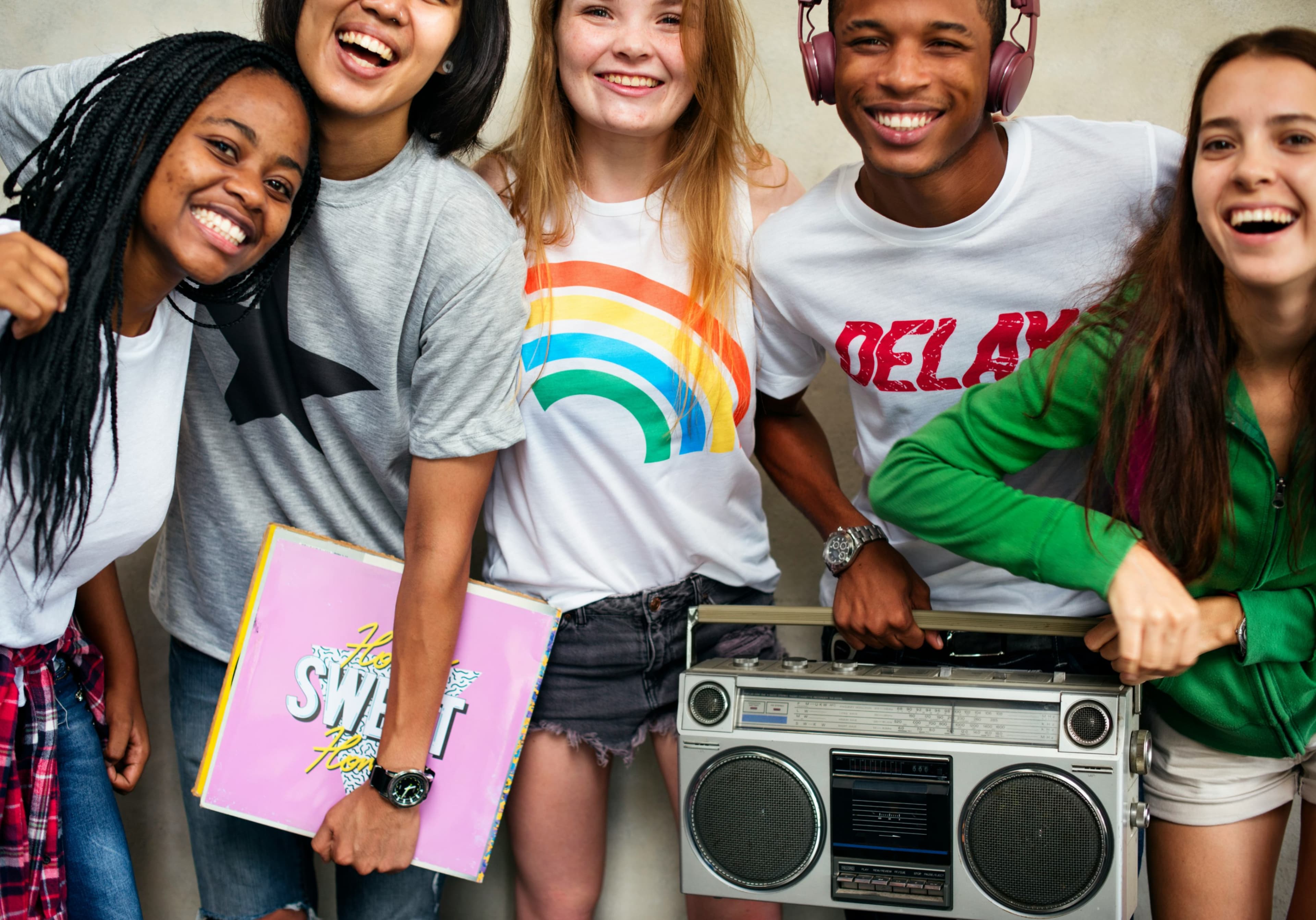
Teenagers are writing plays with orchestras, staging original musicals with school bands, and performing spoken-word alongside youth ensembles- and the impact reaches far beyond the stage. High-quality, community-rooted arts programs boost teens’ academic motivation, emotional resilience, and sense of belonging at a time when STEM-focused schools and shrinking access to private lessons leave many creative youth with nowhere to go. This article shows how cities can harness interdisciplinary arts collaborations to give every teenager a place to create, connect, and be taken seriously as an emerging artist and leader.
Collaboration between local arts organizations and other community groups not only amplifies the impact of creative programs but also introduces teenagers to a variety of artistic disciplines and professional practices. For example, pairing teenage playwrights with the city orchestra or high school marching band allows young writers to see their words interpreted through music and performance. This kind of partnership cultivates a deeper understanding of how creative works evolve when interpreted by others, laying a strong foundation for future collaborative efforts in adulthood. Such experiences also teach valuable soft skills like communication, compromise, and time management, all of which are essential in both artistic and non-artistic careers.
These interdisciplinary collaborations can be structured through seasonal programming or special projects. A city-sponsored youth arts festival, for instance, could include performances where poets read original pieces accompanied by live instrumental music from the local youth orchestra. Alternatively, drama clubs could partner with school bands to present student-written musicals. These initiatives not only validate young people's creative voices but also introduce them to the logistics and rewards of working within a larger ensemble. Research shows that participation in ensemble-based arts programs significantly improves students' engagement, academic motivation, and emotional resilience (Catterall, Dumais, and Hampden-Thompson 2012)1.
Arts as a Counterbalance to STEM-Heavy Curricula
As many public schools shift their focus toward science, technology, engineering, and math (STEM) curricula, students inclined toward creative expression often find themselves with fewer formal opportunities to explore their artistic interests. While STEM education is undeniably important for workforce development, the narrowing of curricular priorities can leave artistically gifted students without the support they need to thrive. Local arts initiatives can fill this gap by offering consistent, high-quality programming outside the school day. Community theaters, city-funded workshops, and nonprofit arts councils can provide spaces for teenagers to explore their creativity, build portfolios, and develop their talents in meaningful ways.
These programs are especially important for students from underserved communities, who may have limited access to private arts instruction. According to a report by the National Endowment for the Arts, students from low-income families who participate in the arts are more likely to attend college and receive academic recognition compared to their peers who do not engage in the arts (NEA 2012)2. By aligning local arts initiatives with youth development goals, cities can offer an equitable counterbalance to school systems that prioritize STEM subjects at the expense of creative disciplines. This approach not only supports individual growth but also strengthens community cohesion by ensuring all teenagers have an opportunity to contribute creatively.
Fostering Belonging and Identity Through Arts Programming
One of the most powerful impacts of arts programming is its ability to foster a sense of belonging among teenagers. Adolescents often seek spaces where they can express themselves freely and be recognized for their unique contributions. Arts programs, especially those that emphasize storytelling, visual arts, and performance, create environments where diverse voices are not only accepted but celebrated. Whether through spoken word, dance, or theater, students are given the tools to process their experiences, communicate their identities, and form meaningful relationships with peers who share similar passions.
This aspect of belonging is particularly valuable in a time when many teens report feeling isolated or disconnected. A study by the Wallace Foundation found that youth arts programs significantly improve social-emotional outcomes, including self-confidence, empathy, and relationship-building skills (Walker and Sherwood 2020)3. These programs also help students develop a clearer sense of identity, which is especially important during adolescence. When young people feel their voices matter, they are more likely to engage in civic life and pursue leadership roles in adulthood. Local governments can support this process by ensuring that arts initiatives are inclusive, culturally responsive, and accessible to all youth regardless of background or ability.
Practical Strategies for Supporting Youth Arts Programs
City administrators and program managers can take several concrete steps to support teen-focused arts initiatives. First, they can establish partnerships with local arts educators, nonprofit organizations, and cultural institutions to co-create programming. This shared model of resource development reduces the financial burden on any single entity and fosters a more collaborative civic culture. Second, municipalities can prioritize funding for youth arts in their annual budgets or seek out state and federal grants earmarked for arts education and youth development.
Additionally, cities can integrate youth arts into broader community celebrations and public events. Inviting teen performers or visual artists to showcase their work at farmers markets, park festivals, or city council receptions not only affirms their contributions but also raises community awareness of the importance of supporting young creatives. By embedding these programs into the fabric of civic life, local governments can create a sustainable infrastructure that nurtures teenage talent and prepares young people for lifelong engagement in the arts.
Conclusion: Building a Creative Future Through Local Action
Supporting the artistic development of teenagers is not a peripheral task but a vital investment in a vibrant, creative, and inclusive community. When young people are given opportunities to explore the arts, collaborate with peers and professionals, and express their identities, they become more confident, engaged, and equipped to contribute meaningfully to society. Local arts initiatives provide a counterbalance to STEM-heavy education models, create pathways for personal and social development, and strengthen intergenerational and cross-sector collaboration.
Cities that commit to fostering youth creativity are investing in more than just the next generation of artists. They are cultivating problem-solvers, empathetic leaders, and active citizens. By aligning policy priorities, funding mechanisms, and community partnerships around youth arts initiatives, local governments can ensure that all teenagers have the opportunity to discover their voice, develop their talents, and find their place in the broader cultural landscape.
Bibliography
Catterall, James S., Susan A. Dumais, and Gillian Hampden-Thompson. 2012. The Arts and Achievement in At-Risk Youth: Findings from Four Longitudinal Studies. Washington, DC: National Endowment for the Arts.
National Endowment for the Arts. 2012. The Arts and Achievement in At-Risk Youth: Findings from Four Longitudinal Studies. Washington, DC: U.S. Government Printing Office.
Walker, Elizabeth, and Ellen Sherwood. 2020. Arts Education and Social-Emotional Learning Outcomes Among K-12 Students: A Review of the Literature. New York: Wallace Foundation.