Common Ground: Parks, Public Health, and the Making of Civic Community
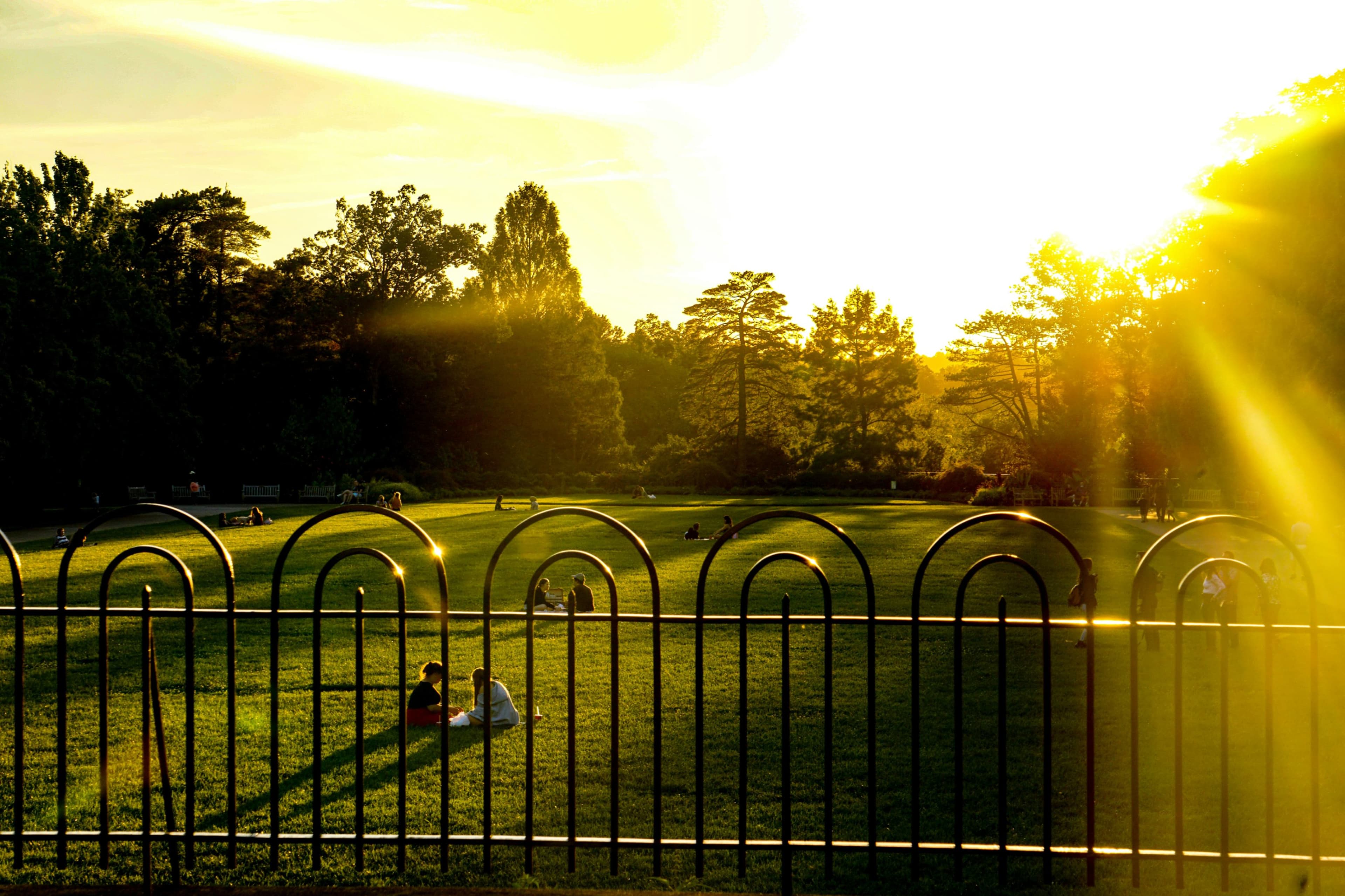
Parks may look like simple patches of green on a city map, but they quietly do some of the heaviest lifting in urban life. Far beyond playgrounds and jogging paths, well-designed parks shape how we see ourselves, how we relate to our neighbors, and how healthy our communities can become. When residents help design these spaces- choosing where we gather, celebrate, exercise, or simply breathe- they turn into shared living rooms that reflect local identity and invite everyday connection. In an era of isolation, polarization, and climate stress, the neighborhood park might just be one of the most powerful tools we have for building belonging, resilience, and a richer civic culture.
The Role of Parks in Community Identity and Belonging
The strategic development of park infrastructure significantly influences the social fabric of a community. Parks are more than mere recreational spaces; they are vital elements of urban design that foster community identity and social cohesion. The process of creating park spaces involves understanding the unique needs and aspirations of the community, which are often expressed during public consultations. These sessions are crucial for gathering insights into what the community values in a park, such as areas for sports, cultural events, or quiet reflection. Incorporating diverse community input into park design not only ensures that the space meets the varied needs of its users but also instills a sense of ownership among residents.
When people feel that their voices have been heard and reflected in the built environment, it fosters a stronger connection to their surroundings and reinforces community identity. As a result, parks become more than just physical spaces; they transform into symbols of community pride and places where people can engage with one another, thus strengthening social ties and promoting a sense of belonging.
Health Benefits of Well-Designed Parks
Parks play a critical role in enhancing public health by providing spaces for physical activity and relaxation. Well-designed parks can significantly contribute to the physical and mental well-being of a community. They offer venues for exercise, whether through structured sports or informal activities like walking and jogging. The availability of such spaces encourages residents to lead more active lifestyles, which can help mitigate health issues such as obesity, heart disease, and diabetes.
Parks also provide mental health benefits by offering a refuge from the stresses of urban life. Natural environments within parks, such as trees and water features, have been shown to reduce stress and anxiety, improve mood, and even enhance cognitive function. Access to green spaces is associated with reduced levels of depression and anxiety, illustrating the profound impact that thoughtful park design can have on community health. By prioritizing these health benefits in park planning, municipalities can create environments that not only enhance the quality of life for residents but also reduce public health costs in the long term1.
Long-Term Civic Culture Through Parks
Parks also contribute to the development of a community's civic culture by serving as platforms for civic engagement and cultural expression. They often host community events, festivals, and public gatherings, which provide opportunities for residents to come together and participate in civic life. These events can enhance community spirit and foster a culture of participation and engagement among residents. Furthermore, parks can be designed to reflect the cultural heritage and values of a community, serving as living museums that celebrate local history and diversity. By incorporating cultural elements into park design, such as public art, historical markers, and spaces for cultural events, parks can serve as a conduit for cultural education and appreciation. This approach not only enriches the community's cultural landscape but also promotes inclusivity and understanding among diverse groups2.
Infrastructure and Accessibility Considerations
The accessibility and connectivity of parks are crucial factors in their design and function. Ensuring that parks are easily accessible to all community members, including those with disabilities, is an essential aspect of inclusive urban planning. This involves considering multiple modes of access, such as walking paths, biking trails, and public transportation options, to make parks reachable for everyone.
In addition to physical accessibility, the infrastructure within parks must accommodate a wide range of activities and user groups. This requires careful planning to balance different uses, such as playgrounds, sports fields, picnic areas, and quiet zones, to ensure that the park serves a diverse population. By prioritizing accessibility and diverse functionality, parks can become vibrant, inclusive spaces that cater to the needs of all community members3.
Sustainability and Environmental Considerations
Sustainability is a key consideration in the development of park infrastructure. Parks provide numerous environmental benefits, including the reduction of urban heat, improvement of air quality, and support for biodiversity. Integrating sustainable practices into park design can enhance these benefits while minimizing the environmental footprint of the park itself. Sustainable park design can include the use of native plants, sustainable water management systems, and renewable energy sources. These practices not only contribute to environmental conservation but can also serve as educational tools, raising awareness about sustainability among park users. By prioritizing sustainability in park development, communities can create resilient green spaces that contribute to environmental health while serving the needs of current and future generations4.
Conclusion: The Multifaceted Impact of Parks
In summary, parks are integral to the social, health, cultural, and environmental well-being of communities. Thoughtful park design informed by community input can create spaces that foster identity, belonging, and civic engagement. By prioritizing accessibility, sustainability, and diverse functionality, parks can serve as inclusive, vibrant hubs that enhance the quality of life for all residents. The strategic planning and development of park infrastructure are thus essential for building strong, healthy, and cohesive communities.
References
World Health Organization. 2016. "Urban Green Spaces and Health: A Review of Evidence." Geneva: World Health Organization.
Jacobs, Jane. 1961. "The Death and Life of Great American Cities." New York: Random House.
U.S. Access Board. 2015. "Outdoor Developed Areas: A Summary of Accessibility Standards." Washington, D.C.: U.S. Access Board.
Environmental Protection Agency. 2017. "Green Infrastructure in Parks: A Guide to Collaboration, Funding, and Community Engagement." Washington, D.C.: U.S. Environmental Protection Agency.