Restorative Circles: Where Dialogue Replaces Discipline and Growth Takes Root
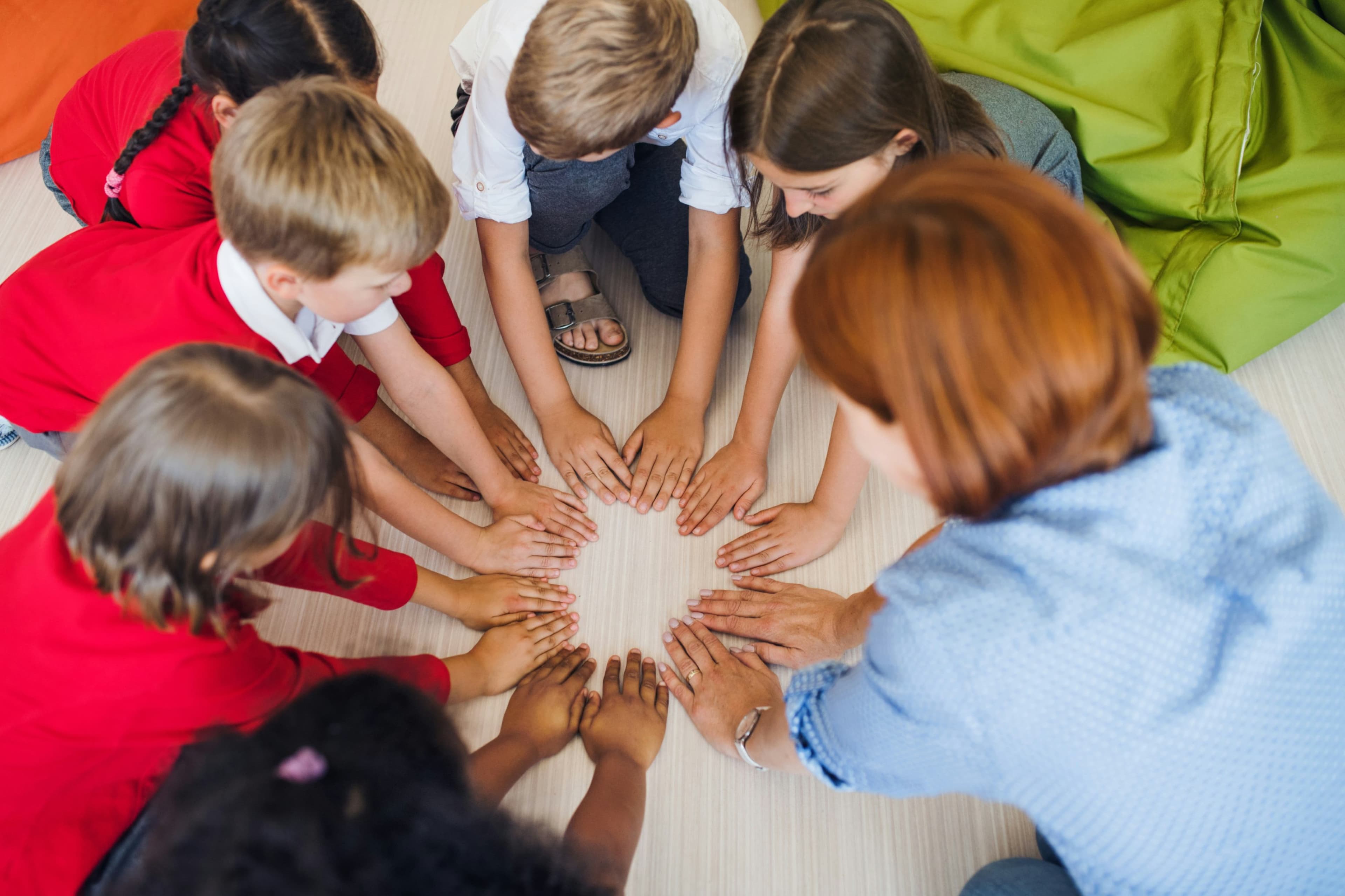
In a classroom, a circle can be far more than a seating arrangement- it can be a revolution in how students connect, communicate, and grow. Restorative circles give every learner a voice, turning moments of conflict into opportunities for empathy and understanding. By weaving social-emotional learning (SEL) into daily routines and academic discussions, teachers can nurture self-awareness, responsibility, and compassion alongside academic achievement. The result is not just better behavior, but a thriving classroom community grounded in trust, respect, and authentic human connection.
Using Restorative Circles to Address Conflict and Promote Growth
Restorative circles are a powerful method to foster a culture of dialogue, accountability, and empathy in the classroom. I have found that incorporating regular circles, not just as a response to conflict but as a proactive community-building tool, helps students feel heard and valued. During these sessions, students are encouraged to express their thoughts and emotions in a structured and respectful way. By using prompts that tie into both academic topics and emotional check-ins, students learn to articulate their feelings and recognize the emotions of others. This contributes to a classroom climate where students are more willing to take academic risks and less likely to engage in disruptive behavior.
Integrating social-emotional learning (SEL) into academic instruction through restorative practices also enhances student outcomes by creating meaningful connections between emotional intelligence and curricular content. For instance, during literature discussions, students can explore characters' motivations and emotional responses, then link those to their own experiences shared during circle time. Introducing texts that highlight diverse perspectives and emotional journeys allows students to practice empathy and critical thinking. Books such as Wonder by R.J. Palacio or Each Kindness by Jacqueline Woodson serve as excellent springboards for conversations around compassion, inclusion, and personal growth. These discussions can be revisited during daily circles to deepen understanding and encourage students to reflect on how the characters' experiences connect to their own social interactions and emotional development.
In math or science, SEL can be embedded through collaborative problem-solving, emphasizing perseverance, respectful disagreement, and shared responsibility. These cross-disciplinary connections help students see SEL not as a separate task, but as a core part of how they engage with learning and with each other. Daily circles provide a consistent space for students to reflect on their academic challenges and successes, set personal goals, and support one another in a non-judgmental environment. This ongoing practice strengthens classroom relationships and reinforces SEL competencies such as self-awareness and responsible decision-making (CASEL, 2020)1.
One particularly impactful moment occurred during a circle with a mixed-ability group of special education students. The group included students with varying communication and behavioral needs, and the circle provided a structured space for practicing key SEL skills. Through consistent participation, students began to model for one another how to respond appropriately, take turns, listen actively, and demonstrate empathy. For example, one student who often struggled with impulse control observed a peer calmly express frustration and wait their turn to speak. Over time, he began to adopt similar strategies, showing noticeable progress in his ability to self-regulate.
In one instance, a conflict arose between two students following a misunderstanding during a group activity. Rather than escalating, the students were invited to share their perspectives during a restorative circle. With the support of their peers and teacher facilitator, both students listened without interruption and reflected on their roles in the disagreement. One student recognized how his actions were perceived by others, while the other acknowledged how his reaction had intensified the situation. The conflict was resolved without further incident, and both students demonstrated improved emotional regulation and academic engagement in the weeks that followed. This experience reinforced how SEL, embedded through restorative practices, can transform conflict into an opportunity for growth (Gregory et al., 2016)2.
References
Collaborative for Academic, Social, and Emotional Learning (CASEL). (2020). CASEL’s SEL Framework. Retrieved from https://casel.org/
Gregory, A., Clawson, K., Davis, A., & Gerewitz, J. (2016). The Promise of Restorative Practices to Transform Teacher-Student Relationships and Achieve Equity in School Discipline. Journal of Educational and Psychological Consultation, 26(4), 325–353.