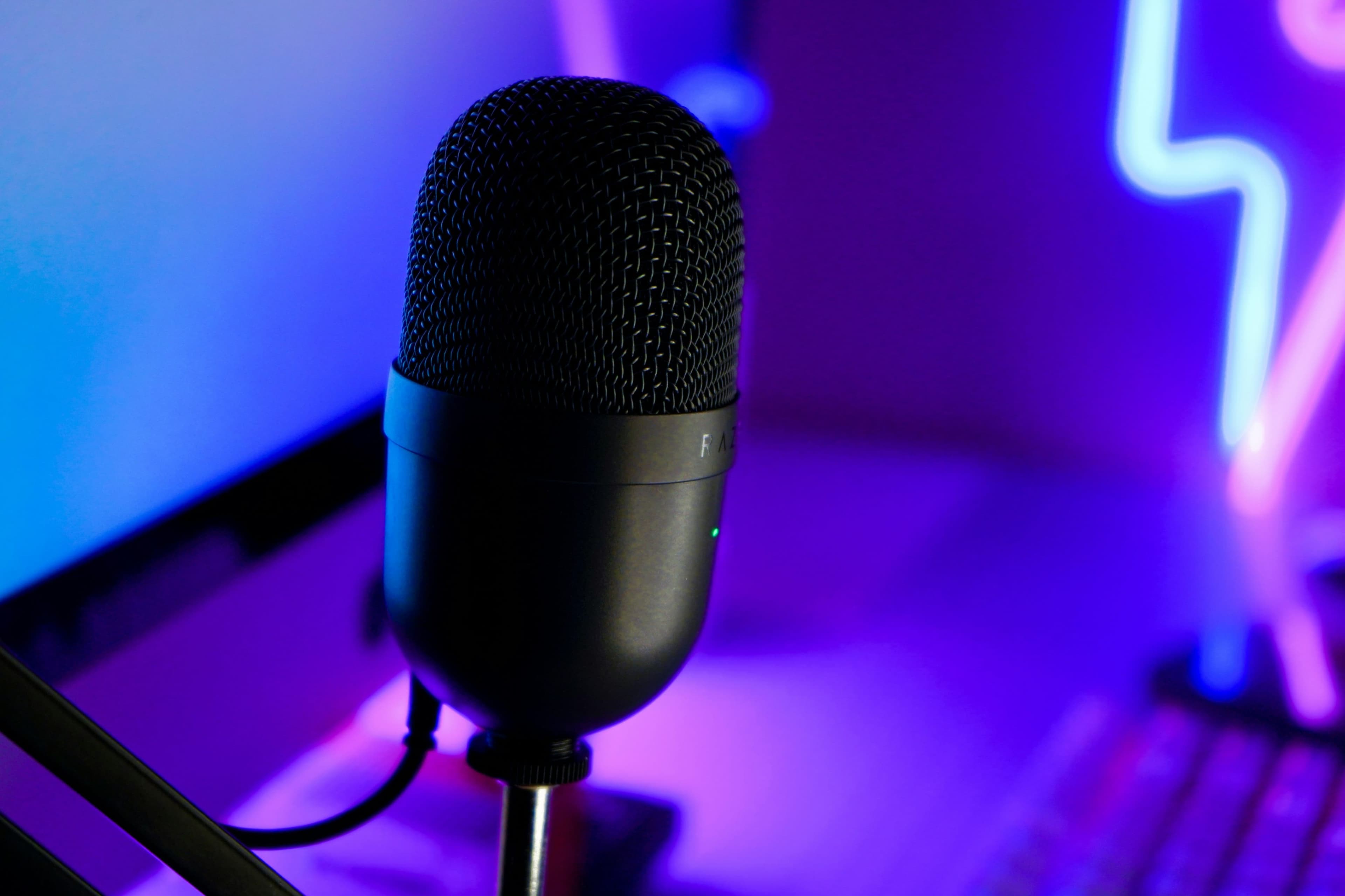
Mic’d Up and On Record: The Silent Hazards of Police Communication Missteps
The Hidden Dangers of Improper Messaging in Law Enforcement
Successful messaging in my early days of policing meant one thing: having enough dimes for the night.
If we needed to get a message to the command staff or dispatch, we found the nearest payphone and literally dropped a dime. Later, the 911 system improved things. We could call dispatch without paying, and they could transfer us where we needed to go. It felt like progress—and it was.
But there was one advantage to the old days that’s hard to explain to new officers now: none of those lines were recorded.
Today, every call, every radio transmission, every body camera clip, and every social media post can become evidence, a headline, or a courtroom exhibit. The job didn’t get quieter. It got louder. And the way we communicate—on scene and afterward—can shape outcomes just as much as the incident itself.
In modern law enforcement, public trust is shaped as much by messaging as by action. A single incident may involve dozens of decisions on scene—but the community may only see a 12-second clip, a headline, or a department statement released under pressure. In that environment, media and messaging are not public relations extras. They are operational tools. And when messaging is careless, defensive, or inconsistent, it can damage credibility faster than the original event.
One of the biggest pitfalls is speaking too soon. After critical incidents, the urge to “control the narrative” is strong. But early statements often contain errors, omissions, or language that later appears misleading. Even when mistakes are unintentional, the public rarely experiences them as innocent. They experience them as deception. The most credible agencies understand that speed is not the same as transparency. A short statement acknowledging an incident, confirming an investigation, and promising updates is often safer than an overly detailed explanation that may change.
Another pitfall is using language that sounds like propaganda. The public can hear spin. Phrases that overpraise officers, minimize harm, or sound pre-written can trigger skepticism—even among people who generally support law enforcement. Statements should be professional, factual, and human. When agencies sound like they are defending themselves before the facts are known, they create the impression that accountability is not real.
Improper messaging also shows up in small, avoidable choices: blaming the victim, attacking the media, or implying that the public “doesn’t understand police work.” Even if frustration is understandable, public statements that sound contemptuous widen the trust gap. The community is not obligated to interpret law enforcement actions generously. That trust has to be earned, and messaging is part of how it is earned.
Social media creates an additional layer of risk. Officers are human beings, and many want to share humor, stress relief, or opinions online. But the uniform changes everything. Posts that seem harmless to the officer can appear unprofessional, biased, or cruel to the public—especially when they involve arrests, use-of-force incidents, or marginalized communities. One viral screenshot can undo years of relationship-building and become a permanent exhibit in lawsuits, disciplinary hearings, or public outrage.
Another messaging pitfall is inconsistency between internal and external communication. When officers feel unsupported internally but leadership presents a confident public face, cynicism grows inside the agency. When the public hears polished statements but sees contradictory video, outrage grows outside the agency. The most effective messaging is aligned: internally honest, externally disciplined, and consistent with the facts.
Improper messaging also harms investigations. Speculation can taint witness statements. Premature conclusions can undermine prosecution. Poorly worded public statements can be used by defense attorneys to challenge credibility. In critical incidents, every word matters—not only for public perception, but for court outcomes.
The best law enforcement messaging follows a few principles: accuracy over speed, facts over emotion, humility over defensiveness, and clarity over jargon. It also recognizes that transparency is not dumping information—it is communicating responsibly, consistently, and truthfully over time.
In the end, the public judges agencies not only by what they do but by how they explain what they do. Improper messaging turns solvable problems into reputational crises. Proper messaging—measured, factual, and respectful—protects trust, protects cases, and protects the officers who serve.
Bibliography / References
International Association of Chiefs of Police (IACP). Police Media Relations and Public Information Officer (PIO) Resources. IACP publications and guidance, various years.
National Institute of Justice (NIJ). Research on Police Legitimacy, Public Trust, and Communication. U.S. Department of Justice publications, various years.
Office of Community Oriented Policing Services (COPS Office). Procedural Justice and Police Legitimacy Resources. U.S. Department of Justice, various years.
President’s Task Force on 21st Century Policing. Final Report of the President’s Task Force on 21st Century Policing. COPS Office, 2015.
Tyler, Tom R. Why People Obey the Law. Princeton University Press, 2006.
U.S. Department of Justice, Office of Public Affairs. Guidance and Standards for Public Communications During Critical Incidents. U.S. DOJ resources, various years.
U.S. Department of Justice, Bureau of Justice Assistance (BJA). Law Enforcement Leadership and Crisis Communication Resources. U.S. DOJ publications, various years.
More from 2 Topics
Explore related articles on similar topics